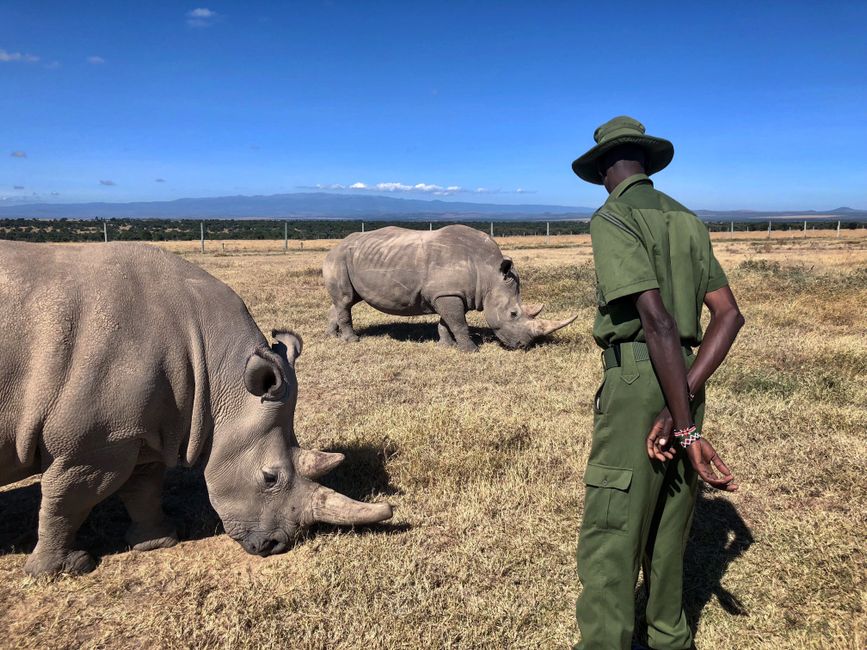
Global Study Identifies 'Bright Spots' Where Ecosystems Thrive Against Odds
Researchers highlight resilient habitats that offer new insights into successful conservation strategies worldwide.

PENN Explainer
Hear this story explained in 90 seconds.
A new study published in early October 2026 has identified several ecological 'bright spots' across the globe where species and habitats are thriving despite broader environmental challenges. Researchers from the University of Sydney examined various ecosystems that have managed to maintain high levels of biodiversity even when surrounding areas face significant degradation. These findings provide a fresh perspective on how nature can recover when specific conditions are met. The study aims to shift the focus from purely documenting decline to understanding the mechanisms behind successful conservation outcomes.
By analyzing these resilient areas, scientists hope to replicate effective management strategies in more vulnerable regions. According to Bing Lin, a researcher at the University of Sydney, these locations offer critical lessons for future environmental policy. He noted that understanding why these specific spots succeed is essential for scaling up conservation efforts globally. The research team emphasized that these areas are not just lucky accidents but often the result of specific local interventions or unique environmental factors.
Joshua Cinner, also of the University of Sydney, stated that these bright spots serve as vital benchmarks for what is possible in modern conservation. The study highlights that even in a changing climate, certain ecosystems demonstrate a remarkable capacity for persistence. This research is particularly timely as international bodies prepare for upcoming biodiversity summits to discuss global protection targets. Experts suggest that the data could help prioritize funding and resources toward areas with the highest potential for long-term ecological stability.
Moving forward, the team plans to conduct further field studies to determine if these strategies can be adapted for different climates and species. The ultimate goal is to create a framework that allows communities to foster similar resilience in their own local environments.
You've reached your free article limit
You've read 10 of 10 free articles this month. Subscribe to Planet Earth News Network for unlimited access to neutral, global journalism — plus puzzles, podcasts, and the weekly newsletter.
Already a subscriber? Sign in.
Ask the Author
Subscribers can ask the journalist a question about this story. Subscribe to ask.
Neutrality note
Auto-harvested from global news wires and presented neutrally by PENN.
to vote
Comments
No comments yet — be the first to share your thoughts.