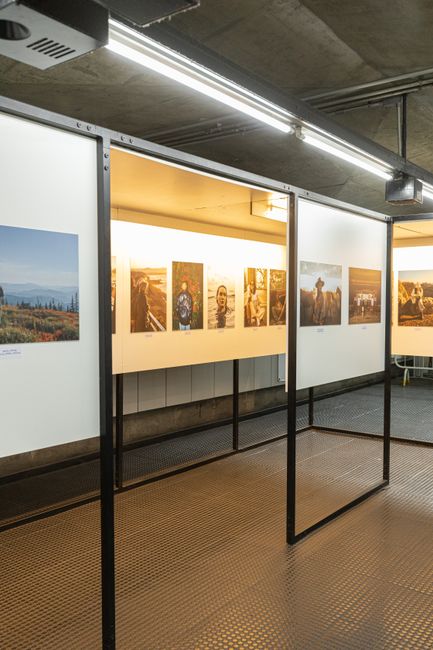
Gwangju Biennale Faces Censorship Accusations Over Taiwan Pavilion Title
Taiwan’s Ministry of Culture and participating artists condemn a mandatory name change as an infringement on artistic freedom at the major South Korean art festival.
PENN Explainer
Hear this story explained in 90 seconds.
The Gwangju Biennale in South Korea is currently facing significant controversy regarding its international pavilions. Artists and officials from Taiwan are accusing the event organizers of political censorship. This dispute centers on a mandatory change to the title of a specific pavilion at the major international art festival. The disagreement has sparked a wider conversation about the role of politics in global art exhibitions.
The conflict began when the Gwangju Biennale Foundation requested a change to the name of the Taiwan Pavilion. The original title was intended to represent the unique cultural and political identity of the region. However, organizers reportedly pushed for a different designation to avoid potential diplomatic complications. This move has been met with strong resistance from the creative team behind the exhibition.
Taiwan’s Ministry of Culture has officially condemned the decision made by the festival organizers. They released a formal statement calling the name change an act of political censorship. The ministry argues that art should be a space for free expression without institutional interference. They believe that changing the title diminishes the voice of the artists involved.
The curator of the pavilion has also voiced strong opposition to the foundation's requirements. They stated that the change undermines the artistic integrity of the entire project. According to the curator, the original title was essential for providing historical context to the artworks. They argue that the new name strips away the meaning of the creative work being shown to the public.
Several artists involved in the exhibition have joined the protest against the Gwangju Biennale Foundation. They claim that the foundation's actions reflect broader pressures currently felt in the international art world. These artists expressed concern that such decisions set a dangerous precedent for future global exhibitions. They worry that other festivals might follow suit and limit how artists identify themselves.
The Gwangju Biennale Foundation has defended its actions as a matter of administrative protocol. They stated that the changes were necessary to align with the festival's long-standing internal guidelines. The foundation maintains that the decision was not intended to be a political statement against any specific group. They emphasized their commitment to hosting a successful and inclusive event for all participants.
The Gwangju Biennale is one of Asia's oldest and most prestigious contemporary art events. It was founded in 1995 to commemorate the 1980 Gwangju Uprising, a landmark event in South Korean history. Because of this origin, the festival is often associated with themes of democracy and human rights. This history makes the current accusations of censorship particularly sensitive for the organization.
The controversy has caught the attention of the global art community and international media. Many observers are watching closely to see how the foundation handles the growing backlash. Some critics argue that the festival's reputation for supporting free speech is now at risk. They suggest that the foundation must balance its administrative needs with the principles of artistic freedom.
Taiwan’s Ministry of Culture has been very active in promoting its artists on the world stage. They often provide funding for pavilions at major biennales to showcase local talent and heritage. This incident has created a point of friction between the cultural representatives of Taiwan and the South Korean organizers. It highlights the complexities of international cultural diplomacy.
Despite the ongoing dispute, the exhibition is still scheduled to proceed as planned. However, the atmosphere surrounding the pavilion has changed significantly since the news broke. Visitors are now arriving with a heightened awareness of the tensions behind the scenes. The controversy has made the pavilion one of the most talked-about features of this year's festival.
This event highlights the ongoing tension between artistic freedom and institutional oversight in the modern world. It raises important questions about how international festivals should manage sensitive geopolitical topics. Many experts believe this incident will lead to new discussions about the independence of art curators. It may also change how future contracts for international pavilions are written.
The Gwangju Biennale Foundation has not yet indicated if they will reconsider the title change for the pavilion. Meanwhile, Taiwanese officials continue to seek a formal resolution that respects their cultural identity. The outcome of this dispute could influence how other international art events handle similar issues in the future. Both sides remain firm in their positions as the festival continues.
As the Gwangju Biennale moves forward, the debate over the Taiwan Pavilion remains a central talking point for attendees. It serves as a reminder of the complex relationship between art, identity, and global politics. The world of contemporary art continues to be a place where these important issues are brought to the surface. The final impact of this controversy on the festival's legacy remains to be seen.
Ask the Author
Subscribers can ask the journalist a question about this story. Subscribe to ask.
中立性说明
Auto-harvested from global news wires and presented neutrally by PENN.
to vote
Comments
No comments yet — be the first to share your thoughts.