
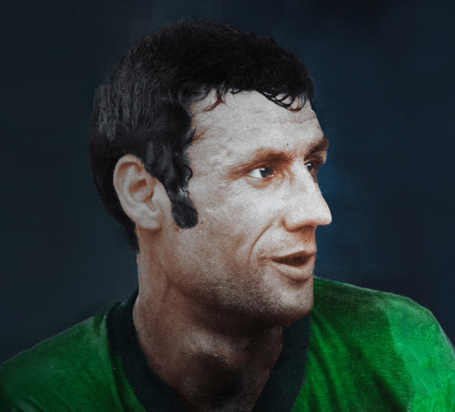
Hassan Habibi, Iranian Football Legend and National Team Captain, Dies at 87
The celebrated defender and coach, born on 1939-02-07, passed away on 2026-11-02.
Hear this story explained in 90 seconds.
Life and Early Beginnings
Hassan Habibi, a towering figure in Iranian sports history, was born on February 7, 1939, in the city of Kerman. At the age of four, he relocated with his family to Tehran, where his father secured employment with the Ministry of Health. This move to the capital provided the environment necessary for Habibi to begin his journey into the world of competitive football.
His early development as an athlete took place within the vibrant club culture of Tehran. He began his formal playing career with Shahin F.C., a club that served as a foundational pillar for his future success. These formative years in Tehran established the discipline and tactical awareness that would define his long and storied career on the pitch.
Career and Major Accomplishments
Habibi rose to national prominence when he was selected for the Iranian national team in 1958 at the age of 20. As a defender, he became known for his leadership, eventually serving as the captain of the squad during some of its most significant international victories. According to Team Melli, he was instrumental in helping the team qualify for the 1964 Tokyo Olympics and securing the 1968 AFC Asian Cup title.
Following his retirement as a player in 1970, Habibi transitioned into a highly successful coaching career. He became the first Iranian football coach to earn an international coaching certification, setting a new standard for the profession in his home country. He notably served as the head coach of the national team following the 1979 Revolution, leading the squad to a third-place finish in the 1980 AFC Asian Cup.
Notable Works and Coaching Legacy
Throughout his tenure as a manager, Habibi was responsible for developing a new generation of Iranian talent. He managed the national U-23 team between 1992 and 1996, working with future stars such as Khodadad Azizi, Karim Bagheri, and Mehdi Mahdavikia. PersianLeague.com notes that his coaching influence extended to several prominent clubs, including Ararat, Bargh Shiraz, and Esteghlal Ahvaz.
His contributions to the sport were recognized widely, including being named Footballer of the Year in Iran by Kayhan Varzeshi magazine in 1969. His final farewell to international football as a player occurred in 1971 at Amjadieh Stadium, an event attended by the legendary English footballer Sir Stanley Matthews. This moment solidified his status as a permanent fixture in the history of Iranian athletics.
Personal Life and Passing
Habibi remained a deeply respected figure within the Iranian football community until the end of his life. He passed away on November 2, 2026, at Shariati Hospital in Tehran following a prolonged illness. His death occurred just one day after the passing of fellow Iranian football international Hamid Alidoosti, marking a somber period for the nation's sports history.
While his cause of death was not publicly confirmed, his legacy as a pioneer of the sport remains secure. He is remembered by fans and peers alike for his dedication to the development of Iranian football and his unwavering commitment to the national team. His life serves as a testament to the growth of the sport in Iran throughout the 20th century.
You've reached your free article limit
You've read 10 of 10 free articles this month. Subscribe to Planet Earth News Network for unlimited access to neutral, global journalism — plus puzzles, podcasts, and the weekly newsletter.
Already a subscriber? Sign in.
Subscribers can ask the journalist a question about this story. Subscribe to ask.
Obituary compiled by PENN; the date of death and the biographical facts were verified against 4 independent outlets and the subject's Wikipedia/Wikidata record. Photo sourced from Wikimedia Commons under a free-use license where available.
Comments
No comments yet — be the first to share your thoughts.
PENN's obituary desk, providing respectful, factual remembrances of notable figures.
View all articles by Desk →