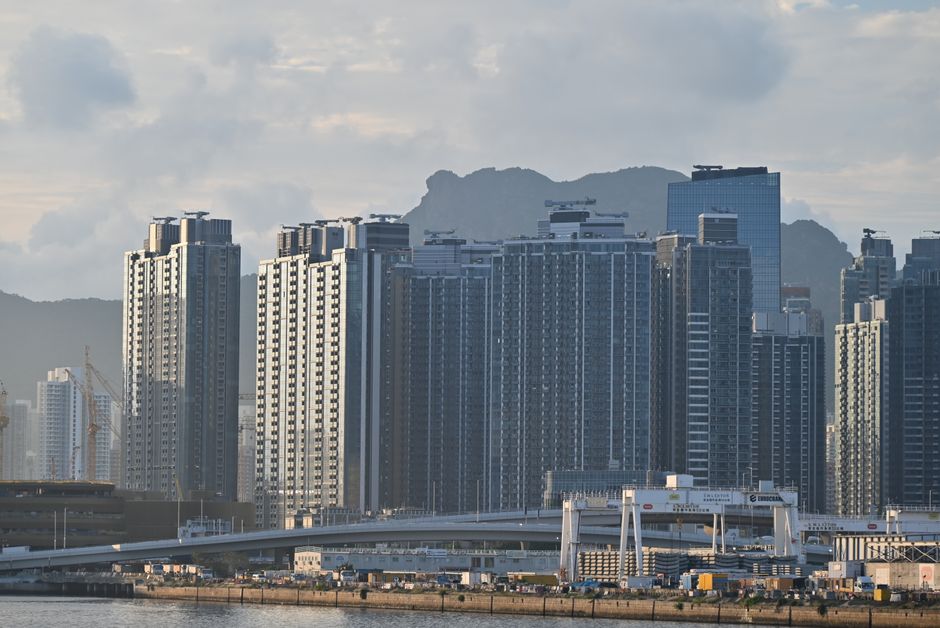
Hong Kong Launches Ambitious University Hubs to Attract Global Talent
New development projects near the mainland border aim to boost research capabilities and international academic partnerships.
PENN Explainer
Hear this story explained in 90 seconds.
Hong Kong is moving forward with a significant plan to develop three massive university towns located near the border with mainland China. This initiative is designed to attract top-tier global academics and strengthen the region's overall research capabilities. By creating these specialized hubs, officials hope to foster deeper industry partnerships and solidify the city's position as a premier destination for higher education. The project represents a strategic effort to integrate academic growth with broader economic development goals.
The development of these university towns is part of a larger strategy to enhance Hong Kong's competitiveness in the global education market. By providing state-of-the-art facilities and collaborative spaces, the government aims to draw researchers and students from around the world. These hubs will focus on creating environments where innovation can thrive through cross-disciplinary cooperation. The proximity to the mainland border is expected to facilitate easier movement of talent and resources between the two regions.
Local authorities have emphasized that these hubs will serve as centers for both academic excellence and practical industry application. The plan includes provisions for modern laboratories, housing for international faculty, and dedicated spaces for startup incubation. By bridging the gap between university research and commercial industry, the initiative seeks to turn academic discoveries into tangible economic benefits. This approach is intended to make the city more attractive to international companies looking for research partners.
This development comes at a time when many regions are re-evaluating their higher education strategies to better align with global labor demands. Hong Kong's focus on creating dedicated university towns reflects a trend of investing in infrastructure to support long-term academic growth. The project is expected to take several years to complete, with phased construction planned to minimize disruption to existing academic activities. Officials believe that the long-term benefits of these hubs will far outweigh the initial investment costs.
Beyond physical infrastructure, the initiative also aims to streamline administrative processes for international academics and students. By simplifying visa procedures and offering competitive research grants, the government hopes to remove barriers that often discourage global talent from relocating. These efforts are part of a broader push to make the city's academic ecosystem more inclusive and accessible. The success of these hubs will likely depend on the ability to maintain high standards of research and teaching while fostering a welcoming environment for diverse perspectives.
Academic leaders in the region have expressed optimism about the potential for these hubs to drive innovation. Many believe that the concentration of talent in these new towns will lead to breakthroughs in fields such as technology, medicine, and environmental science. By encouraging collaboration between local and international researchers, the project aims to create a vibrant intellectual community. This collaborative spirit is seen as essential for addressing the complex challenges facing the modern world.
While the project is still in its early stages, it has already generated significant interest from both domestic and international institutions. Several universities have reportedly begun discussions about establishing satellite campuses or research centers within these new hubs. These partnerships are expected to bring a wealth of expertise and resources to the region. The government remains committed to providing the necessary support to ensure these collaborations are successful and sustainable.
As the project progresses, officials plan to hold regular consultations with stakeholders to ensure the development meets the needs of the academic community. This inclusive approach is intended to build consensus and ensure that the university towns remain focused on their core mission of education and research. The government has also pledged to maintain transparency throughout the construction and implementation phases. This commitment to open communication is seen as a key factor in maintaining public trust and support for the initiative.
Looking ahead, the success of these university towns will be measured by their ability to attract and retain top-tier talent. The government is also focused on ensuring that the research conducted in these hubs has a positive impact on society. By prioritizing projects that address real-world problems, the initiative aims to demonstrate the value of higher education to the broader public. This focus on social impact is expected to be a defining feature of the new university towns.
Ultimately, this initiative represents a bold step toward shaping the future of higher education in Hong Kong. By investing in infrastructure, talent, and partnerships, the city is positioning itself to remain a leader in the global academic landscape. The development of these university towns is a testament to the belief that education is a vital driver of progress and prosperity. As the project moves forward, it will likely serve as a model for other regions looking to enhance their own higher education systems.
You've reached your free article limit
You've read 10 of 10 free articles this month. Subscribe to Planet Earth News Network for unlimited access to neutral, global journalism — plus puzzles, podcasts, and the weekly newsletter.
Already a subscriber? Sign in.
Ask the Author
Subscribers can ask the journalist a question about this story. Subscribe to ask.
Neutrality note
Auto-harvested from global news wires and presented neutrally by PENN.
to vote
Comments
No comments yet — be the first to share your thoughts.