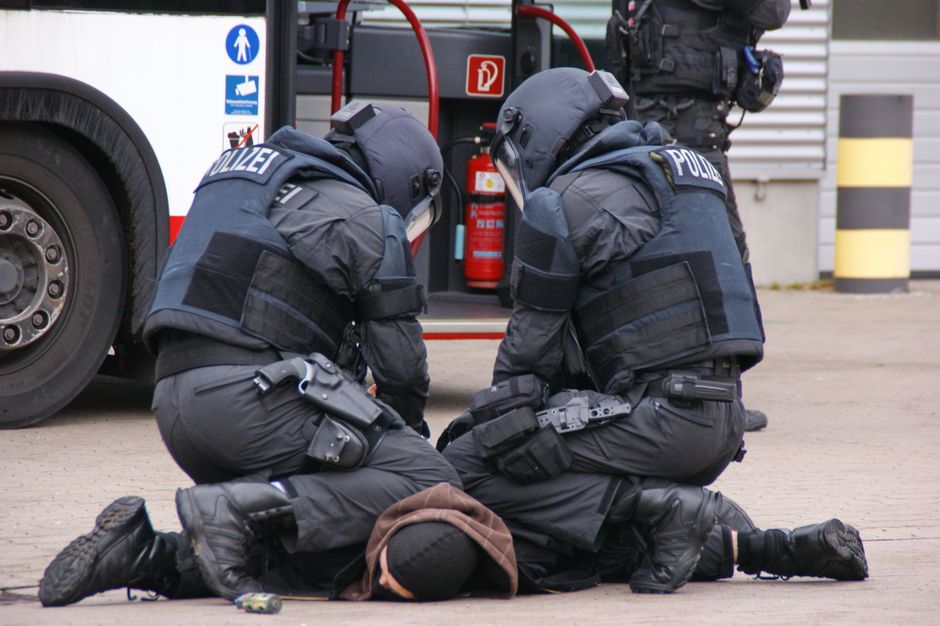
Human Rights Watch Report Alleges Police Misconduct During Deadly Rio de Janeiro Raid
Investigation finds officers obstructed body cameras during a 2025 operation that resulted in 122 deaths.

PENN Explainer
Hear this story explained in 90 seconds.
A new investigation by Human Rights Watch has concluded that police in Rio de Janeiro obstructed their body cameras during a major operation in October 2025. The raid, known as Operation Containment, took place in the Penha and Alemão complexes and resulted in the deaths of 122 people. This event is documented as the deadliest single-day police operation in the history of Brazil.
The report, released in late October 2026, analyzed 4,400 hours of footage from 527 Military Police officers. Investigators found that officers frequently blocked camera lenses, mounted devices in positions that prevented recording, or left them inside vehicles. In some instances, officers reportedly activated cameras long before the operation began to ensure the batteries would drain before any conflict occurred.
According to the findings, 36 percent of the gunshot clusters heard on the cameras of officers from the Battalion of Special Police Operations occurred while the devices were obstructed. The report also noted that Civil Police gathered preliminary information for only two of the 117 non-police victims. This lack of documentation has raised significant concerns regarding the transparency and accountability of the state's law enforcement practices.
"Our investigation shows police flouted the law and their own protocols during the disastrous raid," said César Muñoz, the Brazil director for Human Rights Watch. The organization stated that the police actions breached specific orders previously issued by the Supreme Federal Court of Brazil. These court mandates were intended to ensure that police operations remain within legal boundaries and respect human rights.
Forensic data included in the report highlighted the intensity of the violence during the operation. More than 40 percent of the victims were shot in the head, and nearly 75 percent sustained at least one entry wound on the back of their bodies. These statistics have fueled calls from human rights advocates for a more thorough and independent review of the incident.
Human Rights Watch has urged federal and state prosecutors to initiate criminal and civil proceedings against those responsible for the operation. This includes potential charges against senior police commanders and government officials who oversaw the planning and execution of the raid. The organization argues that such accountability is essential to prevent future abuses of power.
There is currently no evidence that authorities made advance preparations to protect crime scenes or conduct proper forensic analysis before the operation began. The report emphasizes that the failure to preserve evidence has left many questions unanswered regarding the circumstances of the deaths. This lack of forensic rigor has been a recurring point of criticism from legal experts and community leaders.
In response to the findings, the organization has called for structural changes to the state's security apparatus. Specifically, they have recommended that the next governor of Rio de Janeiro, who is set to take office in January 2027, introduce legislation to separate forensic services from the Civil Police. Proponents believe this separation would ensure that forensic investigations remain independent and free from potential police influence.
Currently, 19 police officers involved in the operation are facing charges and are awaiting trial. The case has become a focal point for broader discussions about public safety and police reform in Brazil. As the country prepares for future political transitions, the debate over how to balance effective crime fighting with the protection of civil liberties remains a top priority for many citizens.
This investigation adds to the ongoing scrutiny of police conduct in Rio de Janeiro, where organized crime and violence remain significant challenges. The findings highlight the complex relationship between law enforcement agencies and the communities they serve. As legal proceedings continue, the public and international observers are watching to see how the judicial system addresses these allegations of misconduct.
You've reached your free article limit
You've read 10 of 10 free articles this month. Subscribe to Planet Earth News Network for unlimited access to neutral, global journalism — plus puzzles, podcasts, and the weekly newsletter.
Already a subscriber? Sign in.
Ask the Author
Subscribers can ask the journalist a question about this story. Subscribe to ask.
Neutrality note
Auto-harvested from global news wires and presented neutrally by PENN.
to vote
Comments
No comments yet — be the first to share your thoughts.
Related stories in Crime and Policing

Kenyan Anti-Corruption Coalition Demands Reopening of Case Against Cabinet Secretary
2026-11-14
South African Police Arrest Over 900 Suspects in Gauteng Province Crackdown
2026-11-14