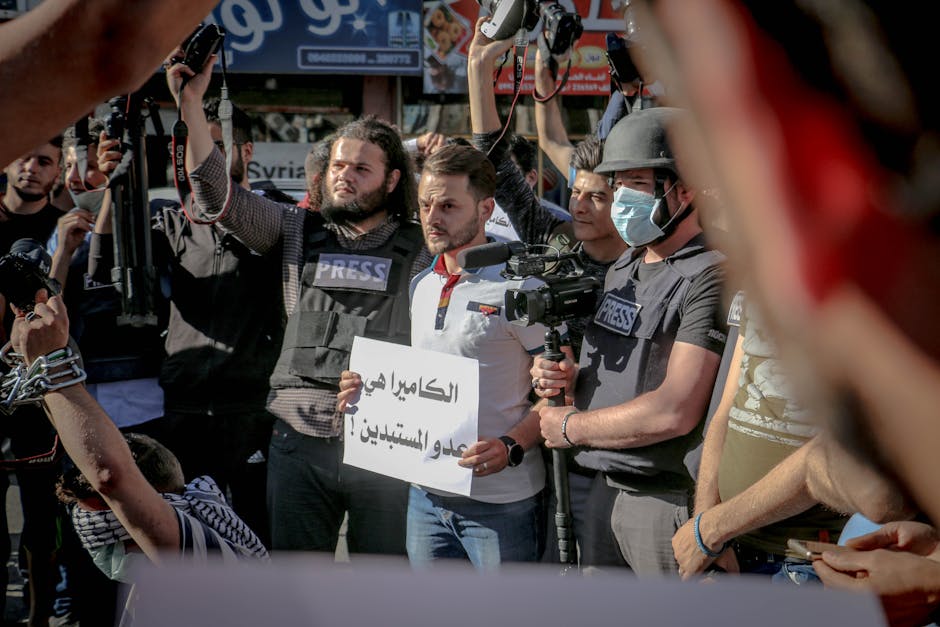
Independent Civil Society Faces Growing Restrictions in Uzbekistan
Human rights groups and activists report increased state control and legal barriers to operation in Uzbekistan.
PENN Explainer
Hear this story explained in 90 seconds.
Independent civil society organizations in Uzbekistan are facing significant challenges as the government maintains strict control over freedom of expression and association. While the country has implemented various legal reforms, human rights advocates report that these changes often introduce new bureaucratic hurdles rather than genuine freedom. Registration processes for non-governmental organizations remain difficult, with many independent groups struggling to gain legal status due to trivial administrative requirements.
Human rights defenders frequently encounter obstacles when attempting to operate without state oversight. According to reports from organizations like Human Rights Watch, authorities often use restrictive legislation to target critical voices, including bloggers and activists. These individuals are frequently subjected to criminal charges, surveillance, and intimidation in retaliation for their work documenting rights violations.
One prominent case involves Javokhir Muminov, a member of the Ezgulik Human Rights Society of Uzbekistan. Muminov was arrested in June 2026 on charges of extortion, which his supporters describe as a retaliatory measure for his reporting on police abuse and corruption. He has alleged that he was beaten and suffocated while in police custody, raising serious concerns about the treatment of detainees.
Legal experts note that the government often relies on state-aligned organizations to carry out its policies, which limits the space for truly independent monitoring. These government-organized non-governmental organizations, or GONGOs, often include trade unions and community councils that operate under state direction. This structure makes it difficult for independent groups to secure funding or conduct meaningful advocacy without facing administrative penalties.
Freedom of the press also remains under pressure as authorities continue to prosecute journalists and bloggers for publishing information deemed insulting or false. The chilling effect of these actions discourages public participation and limits the ability of citizens to hold officials accountable. Many activists have been sentenced to prison terms on charges that international observers characterize as politically motivated.
In the autonomous region of Karakalpakstan, the aftermath of the July 2022 protests continues to impact the human rights landscape. The imprisonment of lawyer and activist Dauletmurat Tajimuratov, who received a lengthy prison sentence for his role in the protests, remains a focal point for international scrutiny. His case is often cited as an example of the state's heavy-handed response to dissent.
Despite these challenges, the Uzbek government maintains that it is committed to human rights and legal reform. Officials frequently emphasize the importance of human dignity and point to new decrees intended to provide better legal protections for citizens. However, critics argue that the gap between these stated goals and the reality on the ground remains wide.
Labor rights also remain a complex issue, particularly for farmers involved in the state-managed production of cotton and wheat. While the government has made progress in ending systemic forced labor in the cotton harvest, reports suggest that coercive practices still persist in the agricultural sector. Human Rights Watch and the Uzbek Forum for Human Rights have documented instances where farmers face exploitation and threats for reporting on their working conditions.
International organizations continue to monitor the situation closely as Uzbekistan serves as a member of the UN Human Rights Council. Observers emphasize that the country must uphold its international obligations to ensure that civil society can operate in a climate free of fear and intimidation. The ability of activists to work without the threat of criminal prosecution is seen as a key indicator of the country's progress.
Looking ahead, the future of civil society in Uzbekistan will likely depend on the government's willingness to allow independent monitoring and protect fundamental freedoms. The international community continues to call for the release of imprisoned activists and the decriminalization of peaceful dissent. Whether these calls will lead to substantive changes in policy remains a central question for human rights advocates in the region.
You've reached your free article limit
You've read 10 of 10 free articles this month. Subscribe to Planet Earth News Network for unlimited access to neutral, global journalism — plus puzzles, podcasts, and the weekly newsletter.
Already a subscriber? Sign in.
Ask the Author
Subscribers can ask the journalist a question about this story. Subscribe to ask.
Neutrality note
Auto-harvested from global news wires and presented neutrally by PENN.
to vote
Comments
No comments yet — be the first to share your thoughts.