
Ingredient of the Day: Allspice
A singular berry that captures the essence of a spice cabinet
Hear this story explained in 90 seconds.
Ingredient of the Day: Allspice
Allspice, known botanically as Pimenta dioica, is a unique spice derived from the dried, unripe berries of a tropical evergreen tree. Despite its name, it is not a blend of multiple spices but a single, distinct fruit that offers a complex flavor profile. Its aroma and taste are frequently compared to a combination of cinnamon, cloves, and nutmeg, which often leads to confusion regarding its origin. This versatile ingredient serves as a cornerstone in both sweet and savory dishes across diverse global culinary traditions.
Origin & History
The allspice tree is native to the West Indies, southern Mexico, and Central America, where it has been used by indigenous peoples for centuries. When Christopher Columbus arrived in the Caribbean during his voyages to the New World, he encountered the berries and mistakenly identified them as a type of peppercorn. This error led the Spanish to name the plant pimenta, a term derived from the Spanish word for pepper, which persists in its botanical classification today. By the early 17th century, the spice had reached Europe, where it was eventually dubbed allspice by the British due to its multifaceted flavor profile.
Production
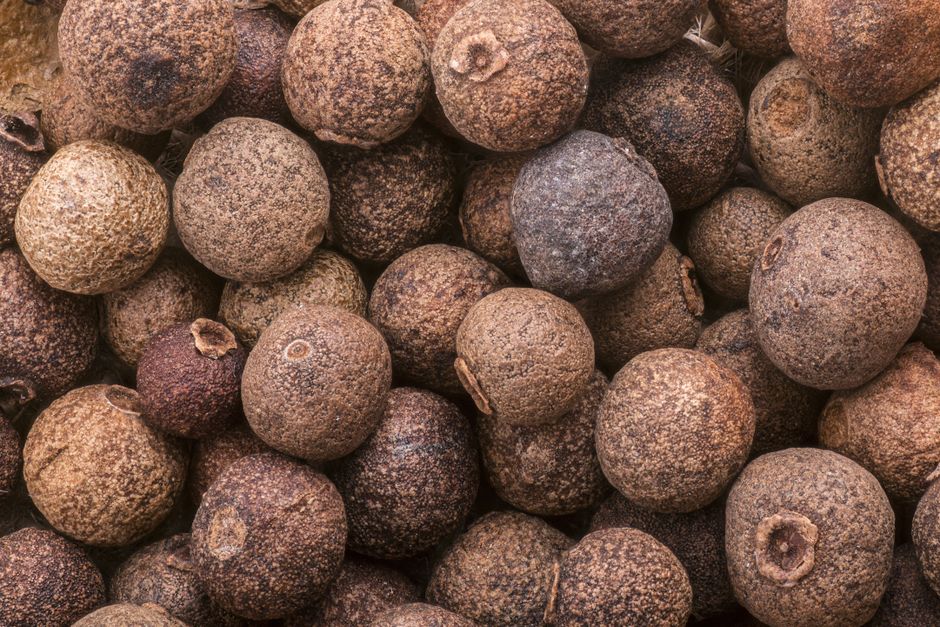
Allspice trees thrive in warm, humid, subtropical climates and typically reach heights between 20 and 30 feet. Because the plants are dioecious, meaning male and female flowers grow on separate trees, both must be present for successful fruit production. Farmers harvest the berries while they are still green and unripe, as this is when their aromatic oils are most potent. These berries are then dried in the sun until they turn a dark, reddish-brown color, resembling large peppercorns, which preserves them for long-term storage and culinary use.
Culinary Uses
In Caribbean cuisine, allspice is an essential component, most notably serving as the primary flavor in traditional jerk seasoning. Middle Eastern cooks frequently incorporate the spice into savory dishes, including rice pilafs, meat stews, and the regional spice blend known as baharat. Beyond these applications, it is a staple in European baking, where it enhances desserts like gingerbread, pumpkin pie, and fruit puddings. The spice also provides a distinct aromatic depth to various liqueurs, such as Chartreuse and Bénédictine, and is commonly used in pickling brines for herring and corned beef.
Nutrition & Facts
Scientific research into Pimenta dioica has identified various aromatic compounds, including glycosides and polyphenols, which are studied for their potential antibacterial and analgesic properties. Historically, the leaves of the tree have been used in folk medicine, and they can also be utilized in cooking in a manner similar to bay leaves. The tree itself faced a period of near-extinction during the Victorian era, as its fragrant and durable wood was highly sought after for the production of walking canes and umbrella handles. Today, Jamaica remains a primary producer of high-quality allspice, maintaining its status as a vital cultural and economic commodity.
Recipe Featuring This Ingredient
Jamaican-Style Jerk Marinade
This aromatic and spicy marinade brings the classic, deep flavor of allspice to grilled meats and vegetables.
Prep time: 15 min | Cook time: 0 min | Total time: 15 min | Yield: 4 servings | Difficulty: Easy
Ingredients
- 2 tbsp ground allspice
- 3 tbsp soy sauce
- 2 tbsp vegetable oil
- 1 tbsp brown sugar
- 1 tsp dried thyme
- 1 tsp ground black pepper
- 1/2 tsp ground cinnamon
- 1/4 tsp ground nutmeg
Instructions
- Combine the ground allspice, soy sauce, vegetable oil, and brown sugar in a medium mixing bowl.
- Stir in the dried thyme, black pepper, cinnamon, and nutmeg until the mixture forms a smooth paste.
- Apply the marinade to your choice of protein or vegetables, ensuring an even coating on all sides.
- Allow the ingredients to marinate in the refrigerator for at least four hours, or overnight for the best flavor development.
Notes
This marinade pairs exceptionally well with chicken or pork. For an authentic experience, grill the seasoned items over wood smoke if possible. Store any unused marinade in an airtight container in the refrigerator for up to one week.
You've reached your free article limit
You've read 10 of 10 free articles this month. Subscribe to Planet Earth News Network for unlimited access to neutral, global journalism — plus puzzles, podcasts, and the weekly newsletter.
Already a subscriber? Sign in.
Subscribers can ask the journalist a question about this story. Subscribe to ask.
Ingredient of the Day feature by the PENN Food & Spirits Desk.
Comments
No comments yet — be the first to share your thoughts.
PENN's lifestyle and culinary department, covering global cuisine — the origins, traditions, and recipes behind the world's dishes, with deep histories and cultural context that go beyond the plate. and PENN's beverage-focused culinary team, dedicated to spirits and drinks — covering distilleries, breweries, and producers worldwide, with histories, tasting notes, professional reviews, and cocktail traditions.
View all articles by Desk →

