
Ingredient of the Day: Lavender
Exploring the history, cultivation, and culinary versatility of this ancient Mediterranean herb
Hear this story explained in 90 seconds.
Lavender
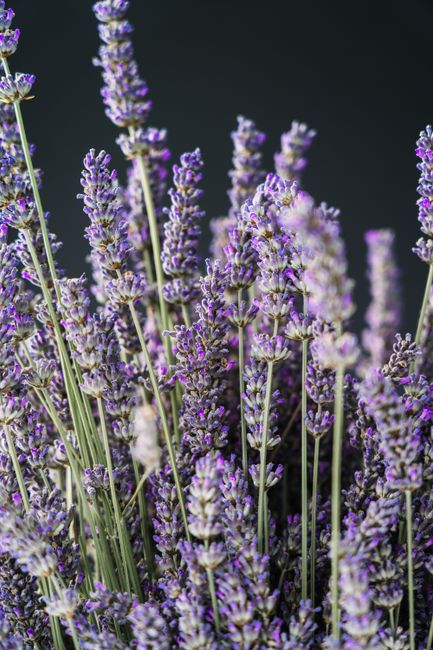
Lavender is a fragrant, perennial herb belonging to the Lamiaceae family, widely recognized for its distinct purple flowers and calming aroma. While often associated with cosmetics and aromatherapy, this versatile plant has served as a staple in gardens and kitchens for thousands of years. Its name originates from the Latin verb lavare, meaning to wash, reflecting its long-standing historical use in bathing and hygiene rituals.
Origin & History
The botanical origins of lavender are traced to the Mediterranean region, including parts of Europe, the Middle East, and North Africa. According to the American Herbal Products Association, while the plant is iconic to the Mediterranean landscape, it appears only sparingly in the earliest botanical texts, such as those by the Greek philosopher Theophrastus. Throughout antiquity, various cultures adopted the herb for diverse purposes; the Egyptians utilized it for mummification and cosmetics, while the Romans employed it for scenting baths and air. By the 17th century, the plant had spread further, with historical accounts noting its use as a remedy during the Great Plague in London and its presence at the royal table of Queen Elizabeth I.
Production
Lavender thrives in poor, rocky soils and requires full sun exposure to reach its full potential. As noted by the National Center for Appropriate Technology, the plant is considered a sustainable crop because it generally does not require heavy fertilization or pesticide application. Growers typically harvest the stems when the first few florets begin to open, as this stage provides the most potent scent and oil concentration. Once harvested, the bundles are hung in a cool, dark, and well-ventilated area to dry, a process that typically takes between one and two weeks depending on environmental humidity.
Culinary Uses
In the kitchen, lavender is prized for its ability to elevate both sweet and savory dishes when used with restraint. The Herb Society of America suggests that Lavandula angustifolia, or true lavender, is the most desirable species for cooking due to its balanced chemical profile. It pairs exceptionally well with fatty meats like lamb and pork, and it can be incorporated into spice rubs or infused into broths. For desserts, its floral notes complement stone fruits such as peaches and cherries, making it a sophisticated addition to jams, cookies, and ice creams.
Nutrition & Facts
Beyond its culinary appeal, lavender is rich in bioactive compounds like linalool and linalyl acetate, which contribute to its well-documented anti-inflammatory and calming properties. It has been used in Traditional Chinese Medicine to address concerns ranging from anxiety to digestive discomfort. An interesting fact is that dried lavender buds are significantly more concentrated than fresh flowers, meaning home cooks should use them sparingly to avoid overpowering a dish. Additionally, the plant serves as a natural insect repellent, a quality that has led to its traditional placement in closets and drawers to deter moths.
Lavender-Infused Honey Glazed Salmon
This elegant dish balances the floral notes of culinary lavender with the richness of fresh salmon for a refined main course.
Prep time: 10 min | Cook time: 15 min | Total time: 25 min | Yield: 2 servings | Difficulty: Easy
Ingredients
- 2 salmon fillets (approx. 170g each)
- 1 tbsp dried culinary lavender buds
- 3 tbsp honey
- 1 tbsp lemon juice
- 1 tsp olive oil
- 0.5 tsp sea salt
Instructions
- Preheat your oven to 200 degrees Celsius and line a baking sheet with parchment paper.
- In a small bowl, whisk together the honey, lemon juice, and half of the dried lavender buds until well combined.
- Place the salmon fillets on the prepared baking sheet and brush each piece generously with the honey-lavender glaze.
- Sprinkle the remaining lavender buds and sea salt over the top of the fillets.
- Bake for 12 to 15 minutes, or until the salmon is opaque and flakes easily with a fork.
Notes
Serve this dish alongside roasted asparagus or a light quinoa salad to complement the floral profile. Ensure you are using food-grade culinary lavender, as ornamental varieties may contain residues from pesticides or other treatments.
You've reached your free article limit
You've read 10 of 10 free articles this month. Subscribe to Planet Earth News Network for unlimited access to neutral, global journalism — plus puzzles, podcasts, and the weekly newsletter.
Already a subscriber? Sign in.
Subscribers can ask the journalist a question about this story. Subscribe to ask.
Ingredient of the Day feature by the PENN Food & Spirits Desk.
Comments
No comments yet — be the first to share your thoughts.
PENN's lifestyle and culinary department, covering global cuisine — the origins, traditions, and recipes behind the world's dishes, with deep histories and cultural context that go beyond the plate. and PENN's beverage-focused culinary team, dedicated to spirits and drinks — covering distilleries, breweries, and producers worldwide, with histories, tasting notes, professional reviews, and cocktail traditions.
View all articles by Desk →
