
Italy Advances Sustainable Rail with Narrow-Gauge Hydrogen Trains
Regional operators in Sardinia, Calabria, and Sicily are deploying hydrogen-powered fleets to decarbonize non-electrified rail lines.
PENN Explainer
Hear this story explained in 90 seconds.
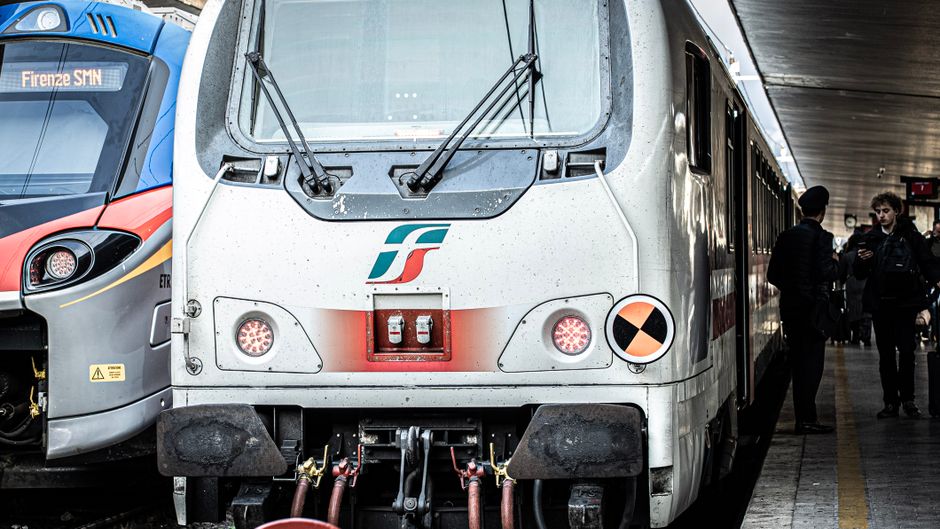
Italy is making significant strides in the decarbonization of its regional rail network through the deployment of hydrogen-powered trains on narrow-gauge lines. Public transport operators in Sardinia, Calabria, and Sicily have commissioned custom-built trainsets to replace aging diesel vehicles. This initiative represents a landmark shift toward sustainable public mobility in areas where traditional electrification is not feasible. The project is supported by the Italian government and the National Recovery and Resilience Plan to meet ambitious environmental targets.
Stadler, a Swiss rolling stock manufacturer, is currently building these specialized hydrogen trains for three distinct regional operators. The Azienda Trasporti Regionali della Sardegna, or ARST, has ordered ten units for its 950 mm gauge lines in Sardinia. Similar contracts are underway for Ferrovie della Calabria and the Ferrovia Circumetnea in Sicily. These trains are designed to operate efficiently on existing infrastructure without requiring costly track modifications.
The technology relies on a central power pack module that integrates hydrogen fuel cells to generate electricity. This energy charges onboard traction batteries, which then power the train's electric motors. By using hydrogen, the trains produce only water and heat as byproducts, offering a clean alternative to diesel combustion. The system is engineered to provide reliable service on non-electrified routes while maintaining high performance standards.
In Sardinia, the transition is designed to be fully autonomous and sustainable. The hydrogen used for the fleet will be produced through electrolysis powered exclusively by solar energy. According to ARST, this integrated approach allows the transportation company to function as its own energy provider. The regional government expects the new fleet to save more than 2,100 tonnes of carbon dioxide emissions annually.
Infrastructure development is moving in tandem with the delivery of the new rolling stock. Construction is currently underway for hydrogen production and refueling facilities in Mandas, Alghero, and Macomer. These sites are essential for supporting the daily operations of the hydrogen-powered fleet. Officials anticipate that the trains will enter regular service between late 2027 and early 2028.
Stadler’s Deputy Group CEO Ansgar Brockmeyer emphasized the importance of this technology for existing rail networks. He noted that the ability to deliver environmentally friendly transport without modifying infrastructure is a key advantage for regional operators. By utilizing current tracks, the project avoids the logistical and financial challenges associated with large-scale electrification projects. This strategy allows for a faster transition to zero-emission rail travel.
Beyond the narrow-gauge projects, Italy is also exploring hydrogen traction on standard-gauge lines. The National Agency for the Safety of Railways and Road and Motorway Infrastructure, known as ANSFISA, recently granted authorization for Alstom’s hydrogen-powered Coradia Stream train. This vehicle is intended for the Brescia–Iseo–Edolo network in northern Italy. The authorization marks a significant regulatory milestone for the adoption of hydrogen technology in the country.
The broader Italian rail sector is viewing these developments as a blueprint for future regional transport. By combining technological innovation with local energy production, these projects aim to revitalize regional connectivity. The success of these trials will likely influence future procurement decisions for other non-electrified lines across Europe. As the infrastructure matures, the focus will shift toward scaling these operations to cover larger geographic areas.
You've reached your free article limit
You've read 10 of 10 free articles this month. Subscribe to Planet Earth News Network for unlimited access to neutral, global journalism — plus puzzles, podcasts, and the weekly newsletter.
Already a subscriber? Sign in.
Ask the Author
Subscribers can ask the journalist a question about this story. Subscribe to ask.
Neutrality note
Auto-harvested from global news wires and presented neutrally by PENN.
to vote
Comments
No comments yet — be the first to share your thoughts.
Related stories in Autos & Mobility
European Union Prepares for Mandatory Digital Battery Passports in 2027
2026-11-13
Harbinger Secures $240 Million in Series D Funding to Scale Electric Truck Production
2026-11-12