Travelen
Japan Adopts Comprehensive Five-Year Strategy to Address Overtourism and Expand Regional Travel
Cabinet approves plan targeting 100 regions by 2030 while raising the departure tax to fund crowd mitigation and local infrastructure.
PENN Explainer
Hear this story explained in 90 seconds.
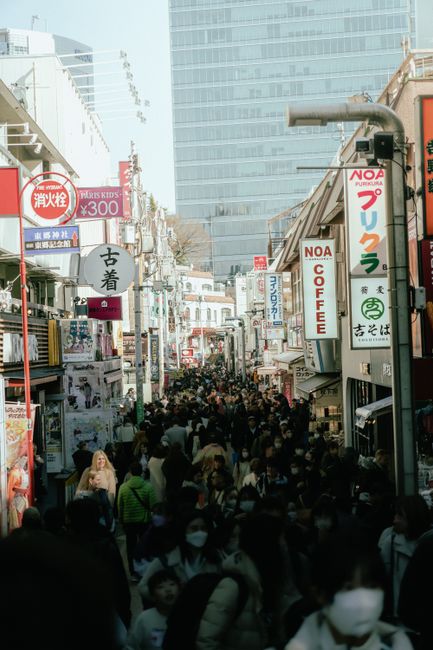
The Japanese government has approved an updated national tourism strategy designed to address surging visitor numbers and spread economic benefits beyond traditional urban corridors. Approved during a Cabinet meeting in Tokyo, the five-year basic plan sets a formal target to expand local overtourism countermeasure programs from 47 areas in 2025 to 100 regions by 2030. The initiative aims to alleviate severe overcrowding in major hubs such as Tokyo, Kyoto, and Osaka while directing international visitors to rural prefectures.
To fund these local initiatives, the government is raising the international departure tax, commonly known as the international tourist tax, from 1,000 yen to 3,000 yen, or about 19 United States dollars, per person. The fee applies to both foreign travelers and departing Japanese citizens and is collected directly through airline and cruise tickets. Revenue generated from the increased levy will finance state subsidies for regional administrations to introduce traffic flow adjustments, congestion monitoring, and enhanced visitor etiquette campaigns.
Japan welcomed nearly 43 million overseas visitors in 2025, setting an all-time record that surpassed pre-pandemic levels. While the rapid influx has boosted retail and hospitality revenues, it has also strained public transit systems, increased litter, and created friction with residents in heritage neighborhoods. In response, municipal authorities in Kyoto and other historical centers have tested specialized bus pricing and tourist restrictions on residential lanes.
Under the new five-year framework, national ministries will assist local communities in setting capacity limits and expanding public transit options to outlying attractions. The central government is also preparing official guidelines for tourist facilities that want to adopt dual-pricing structures, which allow operators to charge non-resident visitors higher admission fees while preserving discounted access for local taxpayers. Furthermore, regulatory agencies plan to intensify crackdowns on unauthorized private vacation rentals operating outside statutory standards.
Despite the friction caused by heavy crowds, Japan has maintained its long-term growth objective established in 2016. The national government still intends to attract 60 million foreign visitors annually by 2030, with an associated consumption target of 15 trillion yen, compared with approximately 9.5 trillion yen spent in 2025. Policy planners emphasize that meeting these numbers sustainably will require decentralizing traveler itineraries away from heavily congested landmark districts.
Shifting international demographics have also shaped the new promotional strategy. Amid fluctuations in arrivals from mainland China linked to diplomatic tensions, tourism authorities are expanding outreach efforts in North America, Europe, and Australia. Promotional initiatives highlight nature excursions, winter sports, and regional craft traditions across northern Tohoku, western Shikoku, and rural Kyushu to balance traveler distribution nationwide.
Ask the Author
Subscribers can ask the journalist a question about this story. Subscribe to ask.
中立性说明
Auto-harvested from global news wires and presented neutrally by PENN.
to vote
Comments
No comments yet — be the first to share your thoughts.