
Japan and United States to Update Military Orientation Program Following Marine Indictment
New educational initiatives aim to improve community relations and legal understanding for U.S. personnel stationed in Okinawa.
PENN Explainer
Hear this story explained in 90 seconds.
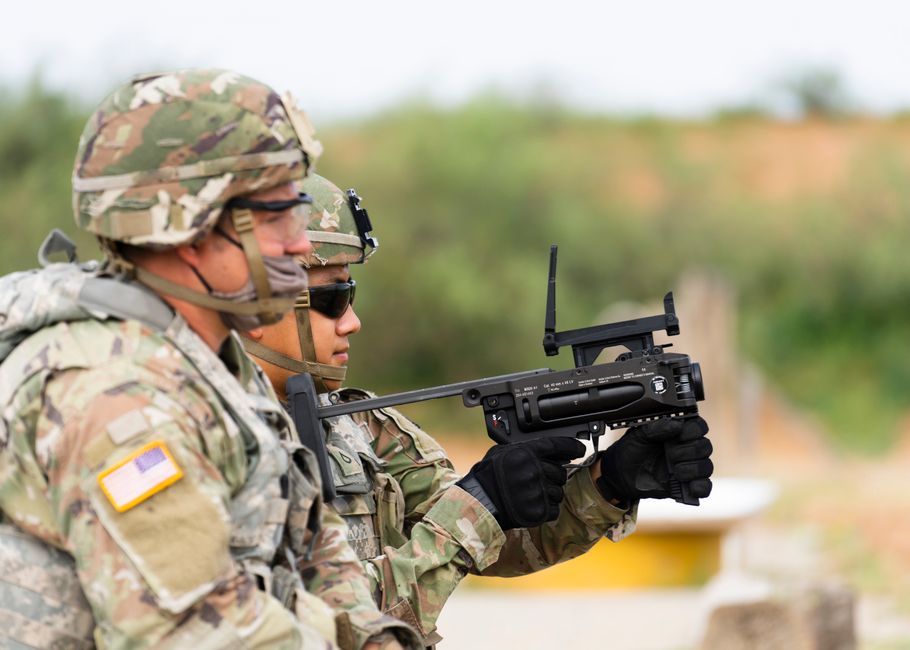
Japan and the United States have announced plans to expand community education and launch a new orientation program for American military personnel stationed in Japan. This decision follows the recent indictment of a U.S. Marine, an event that prompted officials to temporarily halt military operations to address concerns regarding conduct and local relations. The updated measures are designed to foster better understanding between service members and the local communities where they live and work.
During a recent conference, Japanese officials confirmed that the countries will update the briefing materials used in the Okinawa Orientation Overview. This mandatory briefing is provided to all new American military personnel arriving in the region. The revised curriculum will place a greater emphasis on the cultural history of Okinawa and its significance to the local population.
In addition to the updated briefings, the Ministry of Foreign Affairs’ ambassador for Okinawa affairs and the prefectural police will provide specialized sessions at an early date. These sessions aim to clarify the legal obligations of U.S. military personnel and their dependents while residing in Japan. Local leaders have expressed that previous efforts to address incidents involving military members were insufficient and have called for more fundamental improvements.
Koja, a representative involved in the discussions, noted that Okinawa has repeatedly lodged strong protests with both the U.S. military and the governments of Japan and the United States following various incidents. While these protests have urged a review of the Japan-U.S. Status of Forces Agreement, officials are currently focusing on these new educational and orientation initiatives as a primary step toward improvement. The goal is to help American personnel become better neighbors by deepening their connection to the local community.
This initiative is part of a broader effort by the Japanese government to manage the presence of foreign military forces while maintaining national security. The government is currently working to balance its defense buildup with the need for social stability in regions hosting large military installations. These efforts are occurring alongside other major shifts in Japan's national security and defense industrial strategies.
Japan is also preparing to adopt a new Defense Industrial Base Strategy by the end of 2026 to address concerns about sustaining the Self-Defense Forces during prolonged conflicts. Defense Minister Shinjiro Koizumi has emphasized the need for maintaining reserve production capacity for emergencies. This strategy seeks to integrate smaller suppliers and civilian technology companies into the defense procurement process.
These developments take place as Japan continues its largest military buildup since World War Two, with defense-related spending reaching 2% of the country's gross domestic product. The government is utilizing a mix of tax increases and spending reforms to finance these ambitious security goals. Officials are also reviewing the role of conventional artillery and other assets to strengthen deterrence in the region.
As the administration of Prime Minister Sanae Takaichi continues to revise national security documents, the focus remains on both operational readiness and diplomatic cooperation. The government aims to ensure that its military posture is supported by both robust industrial capacity and strong international alliances. These combined efforts reflect a comprehensive approach to addressing the evolving security environment in the Indo-Pacific.
You've reached your free article limit
You've read 10 of 10 free articles this month. Subscribe to Planet Earth News Network for unlimited access to neutral, global journalism — plus puzzles, podcasts, and the weekly newsletter.
Already a subscriber? Sign in.
Ask the Author
Subscribers can ask the journalist a question about this story. Subscribe to ask.
Neutrality note
Auto-harvested from global news wires and presented neutrally by PENN.
to vote
Comments
No comments yet — be the first to share your thoughts.
Related stories in Defense & Military
Australia Unveils New Payloads for Ghost Shark Autonomous Underwater Vehicles
2026-11-14
France Invests Over €1.5 Billion in Next-Generation Military Satellite Program
2026-11-14