Travelen
Japan Expands National Strategy to Combat Overtourism Across 100 Regions
The government aims to balance record-breaking visitor numbers with local quality of life through new subsidies and infrastructure improvements.
PENN Explainer
Hear this story explained in 90 seconds.
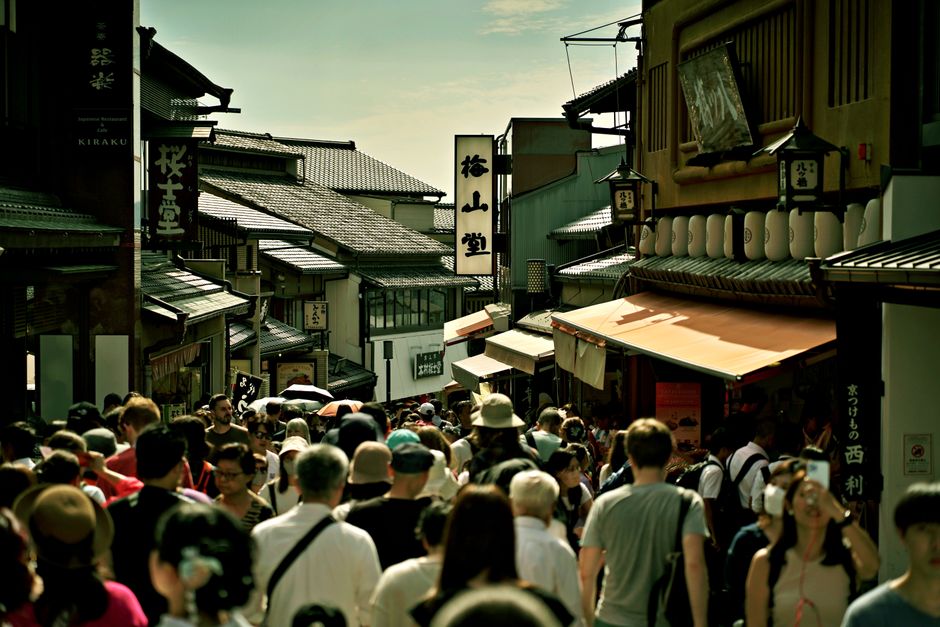
The Japanese government has officially adopted a new national target to implement anti-overtourism measures in 100 regions by 2030. This initiative, approved during a Cabinet meeting in March 2026, marks the first time the country has set a specific national goal for managing tourist density. The plan is a central component of the government's new five-year basic tourism promotion strategy. Officials hope these steps will help maintain the quality of life for residents in popular destinations while continuing to welcome international travelers.
The strategy addresses the growing tension between the economic benefits of tourism and the challenges posed by large concentrations of visitors. To fund these efforts, the government plans to utilize revenue from the international tourist departure tax. This tax is scheduled to increase from ¥1,000 to ¥3,000 per person starting in July. These funds will provide state subsidies to local governments that take active steps to ease congestion and manage visitor behavior.
The government maintains its ambitious long-term targets of attracting 60 million annual visitors by 2030. Officials also aim to increase total annual visitor spending to ¥15 trillion by the same year. To achieve these goals, the new plan emphasizes the need to distribute tourists more evenly across rural areas. By encouraging travel to less-visited regions, the government hopes to reduce the strain on major urban centers like Tokyo and Kyoto.
The strategy also includes provisions for improving transportation infrastructure to facilitate travel to these regional destinations. Furthermore, the government is considering the development of national guidelines for public tourism facilities regarding dual pricing systems. Such systems would allow for different admission fees for local residents and international visitors. Several municipalities have already begun exploring or implementing these pricing models in response to the recent surge in inbound tourism.
The plan also calls for stronger crackdowns on illegal private lodging operators to ensure safety and compliance. As Japan continues to navigate the complexities of a post-pandemic travel boom, the focus remains on sustainable growth. By setting these clear targets, the government aims to ensure that tourism remains a positive driver for the national economy without compromising the well-being of local communities.
You've reached your free article limit
You've read 10 of 10 free articles this month. Subscribe to Planet Earth News Network for unlimited access to neutral, global journalism — plus puzzles, podcasts, and the weekly newsletter.
Already a subscriber? Sign in.
Ask the Author
Subscribers can ask the journalist a question about this story. Subscribe to ask.
Neutrality note
Auto-harvested from global news wires and presented neutrally by PENN.
to vote
Comments
No comments yet — be the first to share your thoughts.