
Travelen
Japan Implements Fivefold Visa Fee Increase in Major Border Overhaul
Entry charges for non-exempt visitors rise alongside departures taxes as authorities expand infrastructure funding to address record tourism levels.
PENN Explainer
Hear this story explained in 90 seconds.
Japan has enacted a sweeping overhaul of its foreign visitor fees, raising visa charges fivefold in its first price revision since 1978. Under the updated regulations, the cost of a single-entry tourist visa jumped from 3,000 yen (about 18.50 U.S. dollars) to 15,000 yen (roughly 93 dollars). Multiple-entry visas rose proportionately from 6,000 yen to 30,000 yen, directly affecting travelers from countries where pre-departure visas remain mandatory.
The policy primarily affects passport holders from countries such as China, India, the Philippines, and several nations across the Middle East. While travelers from 74 visa-exempt regions, including the United States, South Korea, Australia, and the European Union, do not pay this visa fee, other regulatory changes are also reshaping entry rules. Japanese authorities stated the adjustment reflects decades of inflation, shifting currency valuations, and the escalating administrative costs of processing international applications.
Foreign Minister Toshimitsu Motegi announced the updated pricing structure as part of a wider modernization program across the country's border and immigration management systems. Japanese officials noted that visa charges had remained frozen for nearly five decades. During that span, administrative expenses grew substantially while international benchmarks, including travel authorization costs in the United States and Europe, rose well beyond Japan’s traditional tariffs.
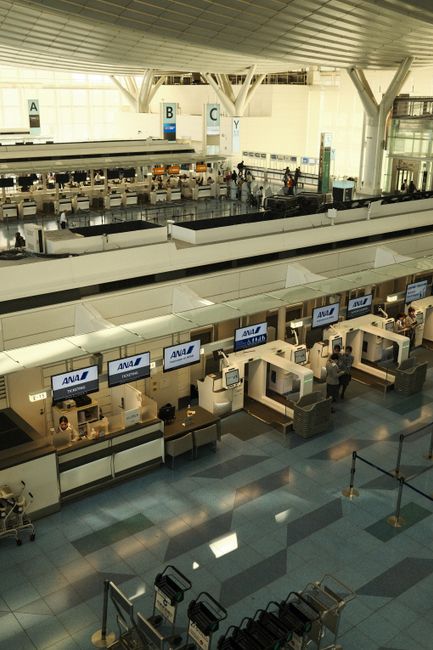
Japan’s tourism industry has expanded rapidly in recent years, reaching milestone levels. In 2025, the country welcomed more than 42.7 million international visitors, exceeding pre-pandemic benchmarks by over 10 million arrivals. While this influx provided major economic momentum for regional businesses, hospitality networks, and transit operators, it also placed heavy strain on municipal services, cultural heritage preservation, and airport terminal capacity.
To balance tourism growth with municipal needs, the Japanese government also raised its international tourist tax, commonly referred to as the departure tax, from 1,000 yen to 3,000 yen. The departure tax is collected automatically when travelers purchase international plane or ship tickets. Proceeds from the tax are allocated directly to support sustainable tourism management, including multi-language transit signs, terminal modernizations, and site protection projects.
Long-term immigration and residency processing rules are also experiencing significant structural shifts. The statutory ceiling for permanent residency application fees was revised upward from 10,000 yen to 300,000 yen. In addition, administrative fees for modifying or extending residency permissions for foreign professionals and students were adjusted to caps of up to 100,000 yen, aimed at covering the costs of processing record foreign resident volumes.
Tourism operators in major transit markets are watching closely to see how the higher fees influence travel behavior. Some regional travel agencies noted that a fivefold jump in upfront visa costs could influence family budgets, particularly on package tours organized from Southeast Asia and China. However, economic analysts have pointed out that current currency exchange rates continue to make dining, transit, and lodging inside Japan relatively cost-effective for foreign visitors.
Meanwhile, visa-exempt visitors will encounter their own set of border procedural updates in coming years. The Japanese parliament approved statutory frameworks to establish the Japan Electronic System for Travel Authorization, known as JESTA. Modeled on similar electronic systems utilized in the United States and Europe, JESTA will require visa-exempt visitors to register background details online before departure, with implementation projected between 2028 and 2029.
In parallel with the tourist fee increases, Japanese officials reduced domestic passport renewal and application fees for Japanese citizens. Authorities framed the domestic passport discount as an initiative to encourage more residents to travel overseas, aiming to establish a healthier two-way flow in international aviation and cross-cultural exchanges.
As global travel volumes continue to rebound and surpass historical thresholds, governments worldwide are reassessing fee schedules and entry screening systems. Japan’s dual approach combines higher entry charges for visa applicants with system automation and departure levies. Japanese tourism authorities maintain that reinvesting these revenues into public facilities will help ensure popular cultural and natural landmarks remain accessible and well-maintained for travelers over the long term.
You've reached your free article limit
You've read 10 of 10 free articles this month. Subscribe to Planet Earth News Network for unlimited access to neutral, global journalism — plus puzzles, podcasts, and the weekly newsletter.
Already a subscriber? Sign in.
Ask the Author
Subscribers can ask the journalist a question about this story. Subscribe to ask.
Neutrality note
Auto-harvested from global news wires and presented neutrally by PENN.
to vote
Comments
No comments yet — be the first to share your thoughts.


