Lucas Museum of Narrative Art Opens Its Doors After Sixteen Years of Development
The ambitious cultural institution in Los Angeles marks a major milestone for narrative-focused art and storytelling.
PENN Explainer
Hear this story explained in 90 seconds.
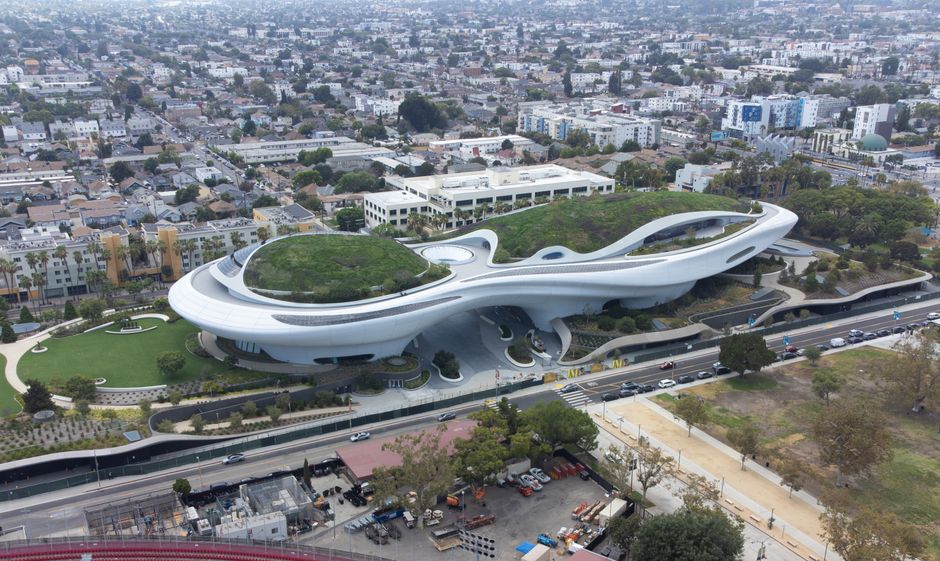
The Lucas Museum of Narrative Art has officially opened to the public, marking the conclusion of a sixteen-year journey to bring the institution to life. Located in Los Angeles, the museum represents a significant investment in the intersection of visual storytelling and fine art. The project, which cost approximately $1 billion to complete, aims to explore how images and narratives shape human culture across different eras and mediums. Its opening is considered a landmark event for the city's cultural landscape.
The museum was founded by filmmaker George Lucas and his wife, Mellody Hobson. Their vision was to create a space that celebrates the power of narrative art, ranging from historical paintings and illustrations to contemporary digital media. By focusing on the stories behind the art, the institution seeks to engage visitors in a deeper understanding of how visual communication influences society. The collection includes a vast array of works that highlight the evolution of storytelling through various artistic techniques.
Construction of the museum spanned several years and involved complex planning across multiple locations before settling in Los Angeles. The architectural design of the building is intended to be as striking as the art it houses, featuring modern lines and expansive galleries. Supporters of the project emphasize that the museum will serve as a hub for education and community engagement. It is expected to attract both local residents and international tourists interested in the history of narrative expression.
Inside the galleries, visitors can explore exhibits that bridge the gap between traditional art forms and modern pop culture. The museum places a strong emphasis on accessibility, ensuring that the stories told through its collection are relatable to a wide audience. Curators have worked to organize the displays in a way that encourages dialogue about the role of art in our daily lives. This approach reflects a broader trend in the museum world toward more inclusive and narrative-driven programming.
Beyond its permanent collection, the Lucas Museum plans to host rotating exhibitions that highlight diverse voices and perspectives. These temporary shows will allow the institution to remain dynamic and responsive to contemporary cultural conversations. The museum also includes dedicated spaces for film screenings, lectures, and workshops. These facilities are designed to foster a deeper connection between the public and the creative processes behind the works on display.
Financial support for the project has been substantial, reflecting the scale of the ambition behind the museum. The $1 billion investment covers not only the construction of the facility but also the acquisition and preservation of its extensive collection. This level of funding underscores the commitment of the founders to establishing a world-class institution. It also highlights the significant role that private philanthropy continues to play in the development of major cultural landmarks.
As the museum begins its operations, it faces the challenge of maintaining its relevance in a rapidly changing digital world. The integration of technology into its exhibits is a key component of its strategy to reach younger generations. By utilizing interactive displays and digital archives, the museum hopes to provide a modern experience that complements its historical holdings. This blend of old and new is central to the museum's identity as a center for narrative art.
Local officials and community leaders have expressed optimism about the impact the museum will have on the surrounding area. They anticipate that the institution will drive tourism and stimulate economic activity in the region. Furthermore, the museum is expected to provide valuable educational resources for schools and universities. These partnerships are seen as essential for ensuring that the museum serves as a long-term asset for the community.
Critics and art historians have noted that the museum's focus on narrative art offers a unique perspective that is often overlooked by more traditional institutions. By elevating illustrations, comics, and film art to the same level as fine art, the museum challenges conventional definitions of artistic value. This approach has sparked interesting discussions about what constitutes art and how it should be presented to the public. Such debates are a sign of the museum's potential to influence the broader art world.
Looking ahead, the Lucas Museum of Narrative Art aims to become a global destination for those interested in the power of stories. Its opening is just the beginning of a long-term mission to preserve and celebrate the visual narratives that define our shared human experience. As it welcomes its first visitors, the institution stands as a testament to the enduring importance of storytelling in all its forms. The coming years will likely see the museum evolve as it continues to build its reputation and influence.
Ask the Author
Subscribers can ask the journalist a question about this story. Subscribe to ask.
तटस्थता टिप्पणी
Auto-harvested from global news wires and presented neutrally by PENN.
to vote
Comments
No comments yet — be the first to share your thoughts.