
Massive Flooding on Nepal-China Border Leaves Over 1,300 People Missing
Rescue teams struggle against debris and rising water levels as glacier melting triggers a humanitarian crisis in the Himalayan region.
PENN Explainer
Hear this story explained in 90 seconds.
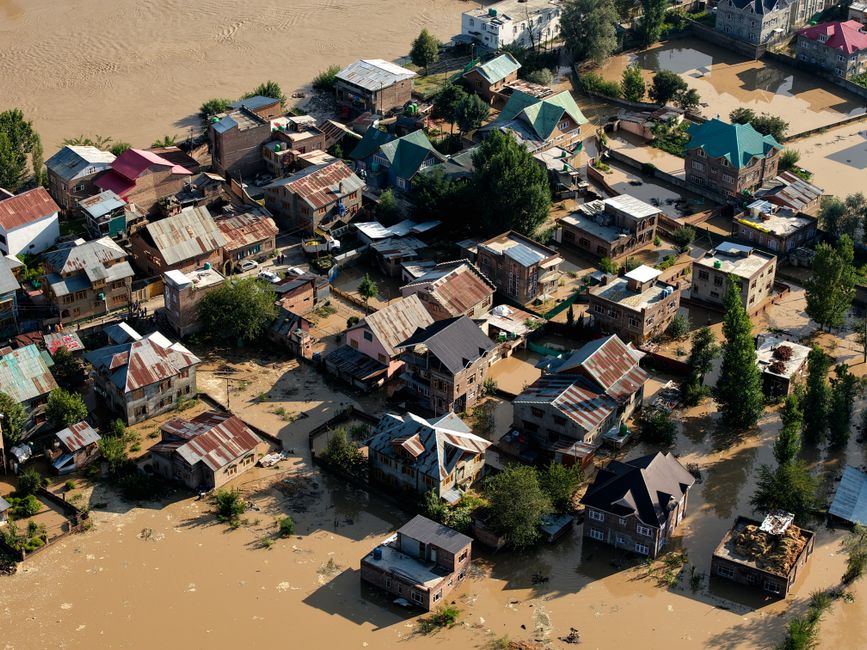
A massive flood has struck the border region between Nepal and China, causing widespread destruction in remote mountain communities. The disaster began after heavy rains and rapid glacier melting sent a wall of water down narrow valleys. Local authorities report that the scale of the damage is still being assessed as rescue teams reach the most isolated areas. The sudden surge of water has caught many residents off guard, leading to a high number of casualties and missing persons.
More than 1,300 people are currently reported missing as the floodwaters have swept away entire villages. Search and rescue operations are moving slowly because of the difficult terrain and the massive amount of debris left behind. Families are desperately waiting for news about their loved ones who lived in the path of the water. According to [Breaking News, Latest News and Videos | CNN](https://www.cnn.com/), the scale of the tragedy is becoming clearer as officials work to identify those who are still unaccounted for.
The United States Geological Survey (USGS) has noted that the region is a known hotspot for glacier melting as the planet heats up. As global temperatures rise, these large bodies of ice can become unstable and release massive amounts of water suddenly. This event is being closely studied by scientists to understand how climate change is affecting high-altitude environments. [Breaking News, Latest News and Videos | CNN](https://www.cnn.com/) reports that while the exact cause is still being investigated, the melting of glaciers is a primary concern for the region's safety.
Scores of people have been confirmed dead, though officials have not yet released a full list of names. The recovery of bodies is complicated by the thick mud and large rocks that the flood carried downstream. Many victims were caught by surprise in the middle of the night when the water levels rose most rapidly. [Latest news from around the world](https://www.theguardian.com) states that the death toll has continued to rise as police and emergency workers clear debris-clogged areas.
Rescue workers are currently on edge due to fears of a second flood. A debris-clogged river upstream is at risk of bursting, which could send another wave of water toward the already damaged areas. Teams are using drones and helicopters to monitor the situation from the air to provide early warnings. [World | Latest News & Updates](https://www.bbc.com) notes that these fears have put rescuers on high alert as they try to reach stranded survivors.
The flooding has cut off major transportation routes between Nepal and China. Roads and bridges that serve as vital links for trade and travel have been completely destroyed in several locations. This isolation makes it even harder for aid organizations to deliver food and medical supplies to survivors. The lack of access is one of the biggest challenges facing the humanitarian response right now.
International aid groups are beginning to mobilize to support the local response efforts. The United Nations and other humanitarian agencies are preparing to send emergency kits to the region. These kits typically include clean water, blankets, and temporary shelters for those who lost their homes. Providing these basic necessities is a top priority as the weather in the mountains remains unpredictable.
Local residents describe the sound of the flood as a loud roar that lasted for several minutes. Many people had only seconds to run to higher ground before the water reached their doorsteps. Those who survived are now facing the challenge of rebuilding their lives in a landscape that has been permanently changed. The emotional toll on the community is immense as they mourn their neighbors and family members.
The Himalayan region is home to some of the world's highest peaks and most fragile ecosystems. Scientists warn that events like this could become more common as the climate continues to shift. This disaster highlights the need for better early warning systems and infrastructure that can withstand extreme weather in mountain communities. Protecting these vulnerable areas is a growing concern for international environmental organizations.
Both the Nepalese and Chinese governments are coordinating their efforts to manage the crisis. They are sharing data on water levels and weather patterns to prevent further loss of life along the shared border. This cross-border cooperation is essential for managing the risks associated with the mountain range. Officials from both nations have expressed their commitment to supporting the affected populations through this difficult time.
The economic impact of the flood is expected to be significant for the local population. Many of the affected people rely on small-scale farming and tourism, both of which have been halted by the disaster. Recovery will likely take years as the region works to restore its infrastructure and local economy. The loss of livestock and crops will also affect food security in the coming months.
For now, the focus remains on finding the missing and providing for the immediate needs of survivors. The international community is watching closely as the situation develops and more information becomes available. Every hour is critical for those still waiting to be rescued from the mud and ruins. The resilience of the local people is being tested as they work together to recover from this unprecedented natural disaster.
Ask the Author
Subscribers can ask the journalist a question about this story. Subscribe to ask.
Nota neutralitatis
Auto-harvested from global news wires and presented neutrally by PENN.
to vote
Comments
No comments yet — be the first to share your thoughts.
Related stories in World/International
North Korea and Russia Open First Direct Road Bridge Amid Deepening Military Ties
2026-09-24
Global Leaders Gather at UN Climate Summit to Address Energy Transition and Climate Finance
2026-09-23