
Medellín Transforms Urban Landscape with Extensive Green Corridors to Combat Rising Heat
Colombia's second-largest city has successfully lowered urban temperatures by integrating nature-based infrastructure into its dense metropolitan environment.
PENN Explainer
Hear this story explained in 90 seconds.
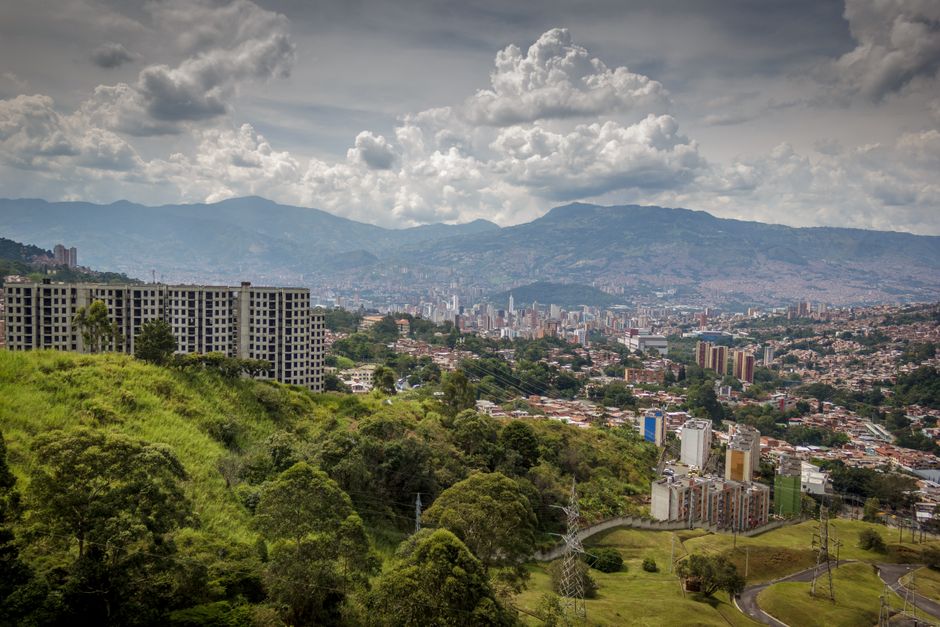
The city of Medellín, Colombia, has implemented a comprehensive network of green corridors to address the growing threat of urban heat islands. By planting thousands of trees and shrubs along major roadways and waterways, the city has created a series of interconnected natural pathways. This initiative, which began in 2016, aims to mitigate the effects of climate change while improving the overall quality of life for residents.
Local government data indicates that these efforts have led to a measurable reduction in city temperatures. According to reports, the average temperature in the city dropped by approximately 2°C following the establishment of these corridors. This cooling effect is attributed to the increased shade and the natural transpiration processes of the newly planted vegetation.
Beyond temperature regulation, the project has significantly improved local air quality. The dense foliage helps capture carbon dioxide and filter particulate matter from the air, which has contributed to a decline in respiratory health issues among the population. Between 2016 and 2019, the city observed a notable decrease in morbidity rates related to acute respiratory infections.
The initiative involved the transformation of 18 roads and 12 waterways into lush, green spaces. The city invested approximately USD 16 million in the initial phase of the project, with ongoing annual maintenance costs to ensure the health of the plants. This investment has been framed as a cost-effective strategy to reduce the reliance on energy-intensive cooling systems like air conditioning.
Community engagement played a central role in the success of the green corridors. The project provided training and employment opportunities for 107 people from disadvantaged communities who were hired as gardeners. In total, the initiative supported the employment of 2,600 workers, blending environmental goals with social and economic development.
Infrastructure improvements were also integrated into the design to encourage sustainable mobility. The city constructed 80 kilometers of new bike paths as part of the project, which has led to a 35% increase in cycling journeys. These paths allow residents to travel through shaded, cooler routes, further promoting active transportation.
The project has received international recognition for its innovative approach to urban planning. In 2019, the initiative was honored with the Ashden Award for Cooling by Nature, highlighting its effectiveness as a scalable model for other cities. The success of the corridors has encouraged municipal leaders to continue integrating nature-based solutions into future urban development plans.
Landscape architect Marcela Noreña Restrepo has emphasized that the key to the project's success is the concept of integralidad, or the holistic integration of nature into the urban fabric. By connecting fragmented green spaces, the city has allowed for better wildlife movement and improved ecological continuity. This approach ensures that the benefits of the corridors extend beyond human comfort to support local biodiversity.
Recent legislative developments in Colombia have further supported these efforts. A law approved by the national legislature in 2025 provides mayors with new tools to strengthen climate change adaptation and build resilient urban centers. This policy framework encourages other cities to adopt similar nature-based strategies to manage environmental risks.
As Medellín continues to expand its green infrastructure, the focus remains on long-term sustainability and maintenance. The city is currently working on additional projects, including the development of a large urban park along the northern riverbank. These ongoing efforts demonstrate a commitment to maintaining a cooler, more breathable environment for the city's growing population.
The experience in Medellín serves as a practical example for other global cities facing similar climate challenges. By prioritizing nature-based solutions, urban centers can effectively manage heat while simultaneously fostering social and environmental health. The project proves that targeted, evidence-based interventions can yield significant, measurable results in a relatively short period.
You've reached your free article limit
You've read 10 of 10 free articles this month. Subscribe to Planet Earth News Network for unlimited access to neutral, global journalism — plus puzzles, podcasts, and the weekly newsletter.
Already a subscriber? Sign in.
Ask the Author
Subscribers can ask the journalist a question about this story. Subscribe to ask.
Neutrality note
Auto-harvested from global news wires and presented neutrally by PENN.
to vote
Comments
No comments yet — be the first to share your thoughts.


