
Nairobi Residents Transform Urban Spaces Through Vertical Hydroponic Farming
Community-led initiatives in Kenya are repurposing abandoned urban areas to improve food security and create local jobs.
PENN Explainer
Hear this story explained in 90 seconds.
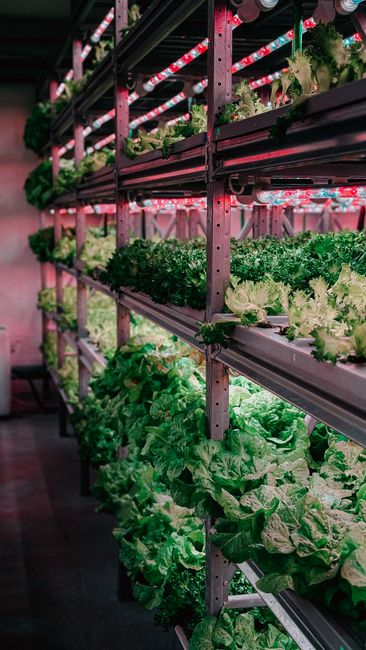
Residents in Nairobi, Kenya, are increasingly turning to vertical hydroponic farming to address the challenges of food insecurity and limited land availability in rapidly growing urban environments. By utilizing innovative growing techniques, these community members are transforming abandoned spaces into productive agricultural hubs. This shift allows for the cultivation of fresh produce in areas where traditional soil-based farming is not feasible. The movement is gaining momentum as a practical response to the economic and nutritional needs of local populations.
Organizations such as Vision Bearerz have been instrumental in this transition, often led by individuals who seek to provide both sustenance and employment opportunities. These groups have successfully converted neglected urban plots into thriving hydroponic farms that supply fresh vegetables to the surrounding neighborhoods. Beyond providing food, these projects serve as centers for community development and social cohesion. Women in particular have played a leading role in this movement, frequently spearheading the creation of rooftop gardens and small-scale hydroponic systems.
Their involvement has been critical in scaling these efforts and ensuring that the benefits of urban agriculture reach vulnerable households. These gardens demonstrate how small, localized interventions can have a significant impact on the daily lives of city dwellers. The use of vertical farming techniques offers several advantages, including the ability to grow crops in a concentrated space and the protection of plants from unpredictable weather conditions. Because these systems are often housed in controlled environments, they can produce consistent yields throughout the year.
This reliability is essential for families who depend on these farms for their primary source of nutrition and income. Furthermore, the localized nature of this production reduces the environmental footprint associated with transporting food from distant rural regions. By minimizing the need for chemical fertilizers and pesticides, these urban farms also contribute to better soil and water health in the city. This approach aligns with broader global efforts to make urban centers more resilient to climate change and economic instability.
As Nairobi continues to urbanize, these vertical farming initiatives provide a scalable model for other cities facing similar pressures. The success of these projects highlights the potential for community-led design to solve complex urban problems. Future efforts will likely focus on expanding these networks to reach more neighborhoods and integrating them into the city's broader food infrastructure.
You've reached your free article limit
You've read 10 of 10 free articles this month. Subscribe to Planet Earth News Network for unlimited access to neutral, global journalism — plus puzzles, podcasts, and the weekly newsletter.
Already a subscriber? Sign in.
Ask the Author
Subscribers can ask the journalist a question about this story. Subscribe to ask.
Neutrality note
Auto-harvested from global news wires and presented neutrally by PENN.
to vote
Comments
No comments yet — be the first to share your thoughts.


