Nepal Launches Psychological Support Program for Flood-Affected Communities
Government and international agencies address the mental health toll following recent catastrophic flooding in the Himalayan nation.
PENN Explainer
Hear this story explained in 90 seconds.
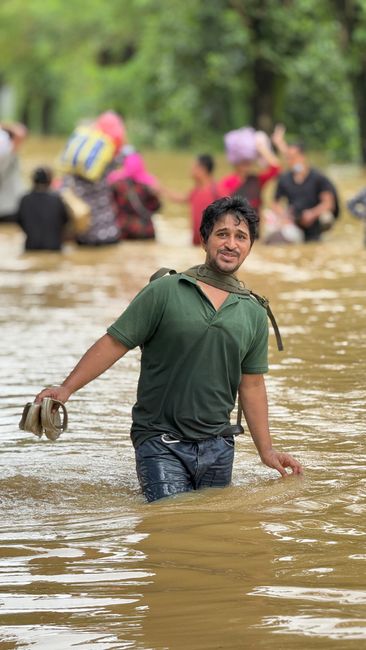
The government of Nepal has initiated a new program to provide psychological support to citizens struggling with the aftermath of recent, deadly flooding. The initiative aims to help families cope with the trauma of losing homes, livelihoods, and loved ones during the disaster that struck the region six weeks ago. Officials are working alongside international aid organizations to ensure that mental health services reach the most remote mountain villages. This effort marks a significant shift in how the country manages the long-term recovery process after extreme weather events.
The United Nations Children's Fund, known as UNICEF, has been instrumental in coordinating these relief efforts. According to representatives from the agency, the psychological impact of such catastrophes can be as devastating as the physical destruction of infrastructure. Many residents are currently living in temporary shelters while facing the uncertainty of when or if they can return to their original homes. The trauma is compounded by the fear that global warming may increase the frequency of similar Himalayan disasters in the future.
Local health workers are being trained to identify signs of post-traumatic stress and provide basic counseling to those in need. This training is essential because professional mental health resources are often scarce in rural areas of the country. By integrating these services into existing community health networks, the government hopes to create a sustainable support system. The program also includes workshops for teachers to help children process their experiences in a safe environment.
Experts emphasize that addressing mental health is a critical component of building community resilience against climate-related risks. As the nation continues to rebuild, the focus remains on both physical reconstruction and the emotional well-being of its people. Future plans involve establishing permanent mental health clinics in districts that are most vulnerable to seasonal flooding. These steps are part of a broader strategy to prepare the population for the challenges posed by a changing climate.
You've reached your free article limit
You've read 10 of 10 free articles this month. Subscribe to Planet Earth News Network for unlimited access to neutral, global journalism — plus puzzles, podcasts, and the weekly newsletter.
Already a subscriber? Sign in.
Ask the Author
Subscribers can ask the journalist a question about this story. Subscribe to ask.
Neutrality note
Auto-harvested from global news wires and presented neutrally by PENN.
to vote
Comments
No comments yet — be the first to share your thoughts.