
New Adaptive Deep Brain Stimulation Technology Enhances Parkinson’s Treatment
Innovative medical technology offers a more personalized approach to managing symptoms for patients living with Parkinson's disease.
PENN Explainer
Hear this story explained in 90 seconds.
A significant advancement in medical technology has emerged for individuals living with Parkinson's disease. Researchers have developed a new form of adaptive deep brain stimulation that aims to improve the quality of life for patients. This technology represents a shift toward more personalized care in neurology. Parkinson's disease is a progressive disorder that affects the nervous system and impacts movement.
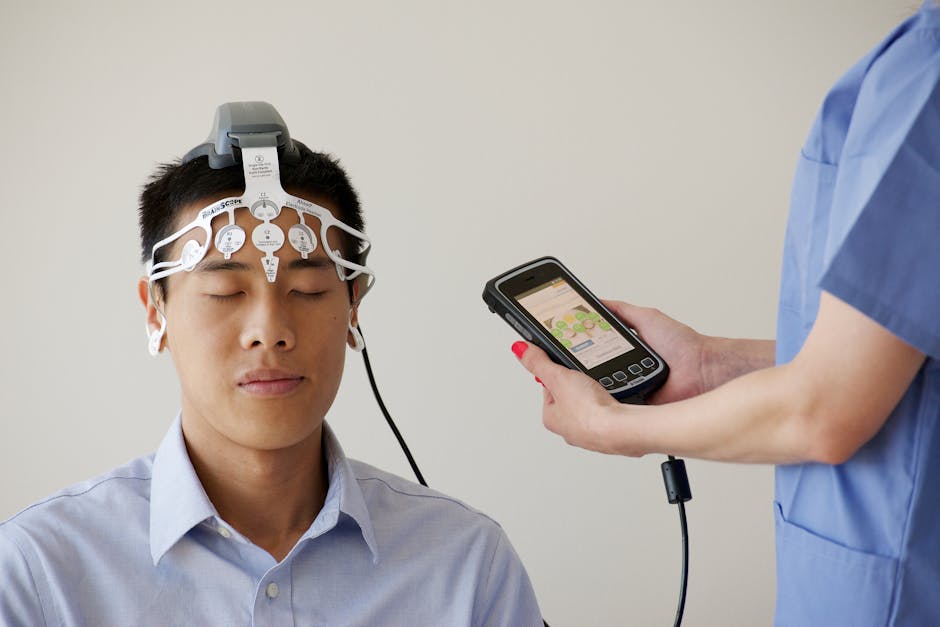
Patients often experience tremors, stiffness, and difficulty with balance or coordination. Traditional treatments have long relied on medication and standard stimulation devices to manage these symptoms. The new adaptive system functions differently by monitoring brain signals in real time. It adjusts the electrical stimulation delivered to the brain based on the patient's immediate needs.
This responsiveness is designed to provide therapy only when it is required. By tailoring the stimulation, the device may reduce the side effects often associated with constant, non-adaptive stimulation. Experts believe this approach could lead to more stable symptom control throughout the day. Clinical observations suggest that patients using this technology may experience better motor function.
The development is part of a broader trend in 2024 toward using artificial intelligence and advanced sensors to refine medical treatments. Researchers continue to study the long-term benefits of this adaptive technology for various patient populations. Future efforts will likely focus on making these devices more accessible to those who need them most. This innovation highlights the ongoing commitment of the medical community to finding precise solutions for chronic neurological conditions.
You've reached your free article limit
You've read 10 of 10 free articles this month. Subscribe to Planet Earth News Network for unlimited access to neutral, global journalism — plus puzzles, podcasts, and the weekly newsletter.
Already a subscriber? Sign in.
Ask the Author
Subscribers can ask the journalist a question about this story. Subscribe to ask.
Neutrality note
Auto-harvested from global news wires and presented neutrally by PENN.
to vote
Comments
No comments yet — be the first to share your thoughts.
Related stories in Health and Fitness

Standing Up From a Chair Linked to Lower Mortality Risk in Older Women
2026-11-17
New Research Links Unhealthy Plant-Based Diets to Brain Structure Changes
2026-11-17