
New AI Tool Enhances Emergency Diagnosis of Abdominal Pain
A recently developed artificial intelligence system is helping medical professionals interpret abdominal ultrasounds with greater speed and accuracy.
PENN Explainer
Hear this story explained in 90 seconds.
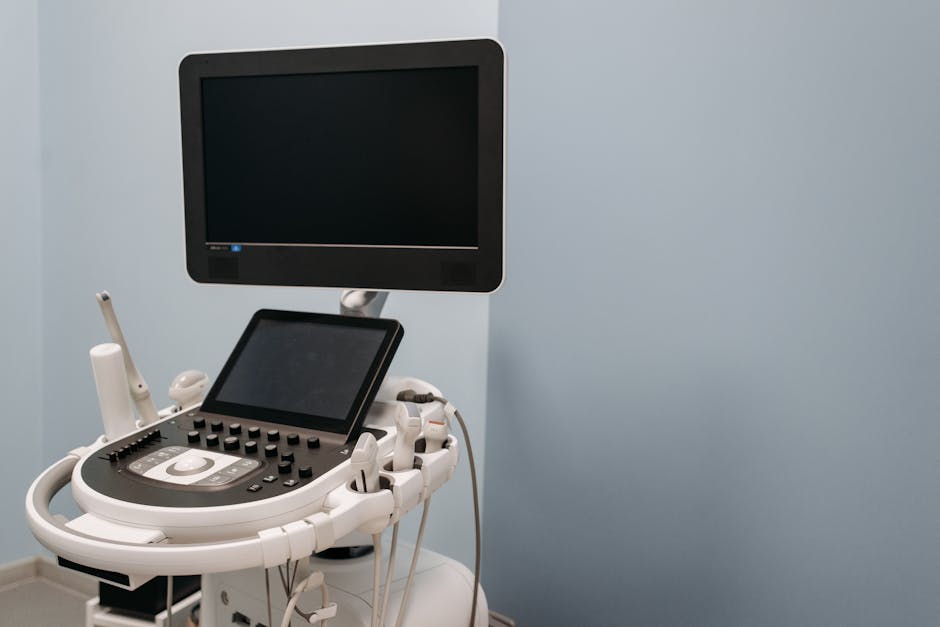
Medical professionals in emergency departments are now utilizing a new artificial intelligence tool designed to interpret abdominal ultrasounds. This technology aims to reduce the time required to diagnose patients suffering from severe abdominal pain. By providing rapid analysis, the system helps doctors make critical decisions during high-pressure situations where every minute is vital for patient outcomes. The tool functions by scanning ultrasound images to identify potential abnormalities that might otherwise require more time for a human radiologist to detect.
This development represents a significant step in integrating machine learning into routine clinical workflows. By automating the initial screening process, the software allows medical staff to focus their expertise on complex cases and immediate patient care. The implementation of such technology is intended to streamline emergency room operations and improve the overall efficiency of diagnostic services. Researchers involved in the project emphasize that the tool is designed to support, rather than replace, the judgment of trained medical practitioners.
The system has undergone testing to ensure it can handle the diverse range of conditions that present as abdominal pain. Early results suggest that the AI can accurately flag urgent issues, helping to prioritize patients who need the most immediate attention. This focus on triage is expected to be particularly beneficial in busy hospital environments. As hospitals continue to face high patient volumes, the adoption of AI-driven diagnostic aids is becoming a common strategy to manage workloads.
The integration of this software into existing hospital infrastructure is currently being evaluated for broader use. Future updates to the system may include expanded capabilities to detect a wider variety of internal conditions. Medical institutions are closely monitoring the performance of these tools to ensure they meet rigorous safety and accuracy standards. The ongoing collaboration between technology developers and healthcare providers remains essential for the successful deployment of these digital health solutions.
You've reached your free article limit
You've read 10 of 10 free articles this month. Subscribe to Planet Earth News Network for unlimited access to neutral, global journalism — plus puzzles, podcasts, and the weekly newsletter.
Already a subscriber? Sign in.
Ask the Author
Subscribers can ask the journalist a question about this story. Subscribe to ask.
Neutrality note
Auto-harvested from global news wires and presented neutrally by PENN.
to vote
Comments
No comments yet — be the first to share your thoughts.
Related stories in Science & Technology

Xanadu and HyperLight Achieve Major Breakthrough in Photonic Quantum Computing
2026-11-13
Researchers Use Artificial Intelligence to Optimize Quantum Computing Resources
2026-11-13