New Research Highlights Stark Climate Divide Across Africa as Super El Niño Intensifies
A comprehensive study warns of a deepening split between flood-prone East Africa and drought-stricken Southern Africa as global weather patterns shift.
PENN Explainer
Hear this story explained in 90 seconds.
A new study released by WaterAid reveals that an anticipated Super El Niño is creating a dramatic divide in climate extremes across the African continent. The research, which analyzed over four decades of rainfall data, suggests that the current weather phenomenon will likely exacerbate existing vulnerabilities in water security and agricultural stability. As the event approaches record strength, millions of people across the region face the threat of increasingly unpredictable and severe weather conditions.
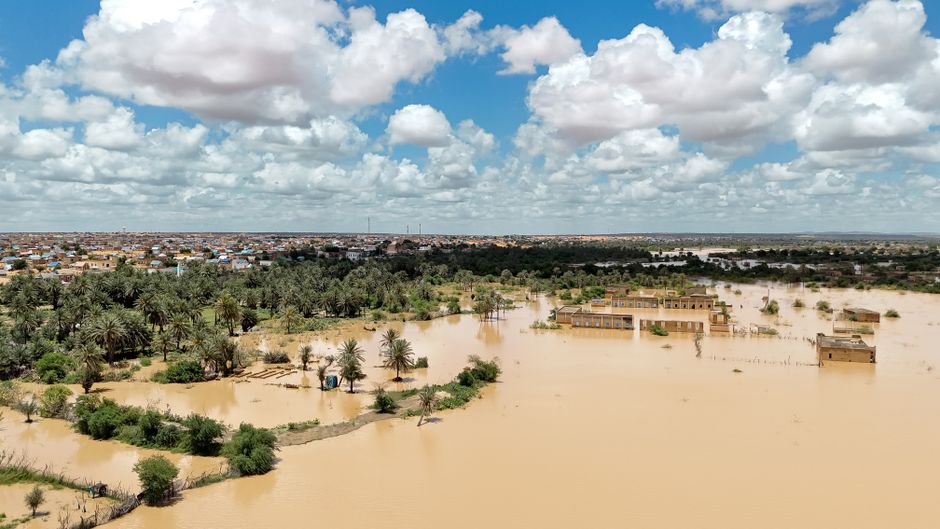
The analysis indicates that East Africa, particularly Kenya, Somalia, and Tanzania, is likely to experience significantly wetter conditions during the current cycle. While this increased rainfall may replenish some resources, it also raises the risk of deadly flash flooding and damage to essential infrastructure. Regional forecasters have already identified a 90 percent chance of above-normal rainfall for parts of this region during the current short rainy season.
In contrast, Southern Africa is expected to face the continent’s most consistent and severe drought risks. Cities such as Johannesburg in South Africa, Lusaka in Zambia, and Blantyre in Malawi are projected to see progressively drier conditions as the El Niño intensifies. Experts warn that rainfall deficits in these areas could potentially exceed those recorded during any similar event since 1950.
Not all areas follow these regional trends, however, as the study identifies notable exceptions. While most of Southern Africa is expected to dry out, Cape Town and Antananarivo in Madagascar show no clear drying signal and may even experience slightly wetter conditions. Similarly, while much of East Africa is expected to become wetter, Addis Ababa in Ethiopia tends to become drier during stronger El Niño events.
West Africa also presents a complex picture that challenges previous climate assumptions. While many standard impact maps point to the Sahel as the primary area for drought risk, the new data suggests the strongest drying signals are actually concentrated along the coastal belt. This area, stretching from Liberia to Nigeria, includes major urban centers like Lagos and Monrovia that are now facing heightened water security concerns.
The World Meteorological Organization expects the current Super El Niño to reach its peak by the end of this year. This event is characterized by sea surface temperatures in the eastern equatorial Pacific that are significantly higher than average. The intensity of this cycle is expected to surpass previous records, placing a massive test on global climate resilience.
Governments across the continent are already taking steps to mitigate the potential fallout of these extreme weather patterns. In Zimbabwe, the cabinet has unveiled an aggressive drought mitigation program to strengthen national food reserves and irrigation capacity. Meanwhile, organizations like WaterAid are working with officials in countries such as Nigeria and Mozambique to prepare for the potential disruption of water and sanitation services.
The impacts of these climate shifts are expected to extend well into 2027, threatening food security and public health. The World Food Programme has estimated that a strong El Niño could leave nearly 49 million more people facing severe food insecurity globally. These challenges are particularly acute for communities that already struggle with reliable access to clean water and basic resources.
Public health officials are also bracing for the secondary effects of these weather extremes. Heavy rainfall in East Africa can overwhelm drainage systems and contaminate drinking water, leading to potential outbreaks of waterborne diseases like cholera. Conversely, drought conditions in Southern Africa threaten to reduce hydropower generation and increase the strain on municipal water supplies.
These findings are being presented ahead of the upcoming COP31 climate conference in Türkiye. Advocates are calling on global leaders to prioritize water security and climate finance to help vulnerable nations adapt to these changing conditions. The goal is to ensure that science-based information can assist governments in protecting their populations before the window for effective preparedness closes.
You've reached your free article limit
You've read 10 of 10 free articles this month. Subscribe to Planet Earth News Network for unlimited access to neutral, global journalism — plus puzzles, podcasts, and the weekly newsletter.
Already a subscriber? Sign in.
Ask the Author
Subscribers can ask the journalist a question about this story. Subscribe to ask.
Neutrality note
Auto-harvested from global news wires and presented neutrally by PENN.
to vote
Comments
No comments yet — be the first to share your thoughts.