
New Research Reveals How Psilocybin Rapidly Reshapes Brain Connections
A recent study shows the active compound in magic mushrooms creates and strengthens neural pathways in the brain.
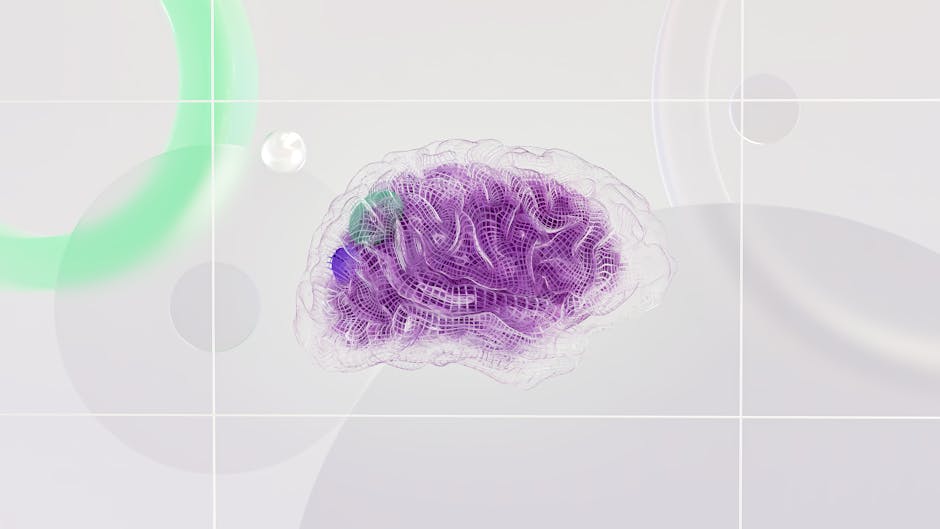
PENN Explainer
Hear this story explained in 90 seconds.
A recent scientific discovery has shed new light on how psilocybin, the active compound found in magic mushrooms, affects the human brain. Researchers found that the substance can rapidly reshape neural architecture by creating and strengthening new connections between brain cells. This process occurs much faster than many experts previously anticipated, offering a new perspective on how the brain adapts to chemical stimuli. The findings were published in early November 2026, marking a significant step in understanding the biological mechanisms behind psychedelic compounds.
Scientists observed that these structural changes happen in a way that was previously unexpected by the medical community. By mapping these neural shifts, the research team hopes to better understand the potential for therapeutic applications in mental health. The study highlights the brain's inherent plasticity and its ability to reorganize itself under specific conditions. While the results are promising, researchers emphasize that this is a preliminary look at complex neurological processes.
Further investigation is required to determine how these rapid changes translate into long-term cognitive or psychological outcomes. The study does not suggest immediate clinical use but rather provides a foundation for future research into brain repair and mental health treatments. Experts involved in the study noted that the speed of these neural connections suggests a highly active response to the compound. This discovery adds to a growing body of literature exploring how various substances interact with the brain's complex network of neurons.
As scientists continue to study these effects, the focus remains on safety and the potential for developing targeted therapies. The research team plans to conduct follow-up studies to see if these neural connections remain stable over time. Understanding these pathways could eventually lead to new ways of addressing conditions that involve rigid or impaired neural communication. The scientific community views this as a vital piece of the puzzle in modern neuroscience.
You've reached your free article limit
You've read 10 of 10 free articles this month. Subscribe to Planet Earth News Network for unlimited access to neutral, global journalism — plus puzzles, podcasts, and the weekly newsletter.
Already a subscriber? Sign in.
Ask the Author
Subscribers can ask the journalist a question about this story. Subscribe to ask.
Neŭtraleca noto
Auto-harvested from global news wires and presented neutrally by PENN.
to vote
Comments
No comments yet — be the first to share your thoughts.


