New Research Reveals Muscles May Hold Key to Faster Bone Healing
Scientists discover that muscle tissue plays a critical, previously unknown role in the body's ability to repair broken bones.
PENN Explainer
Hear this story explained in 90 seconds.
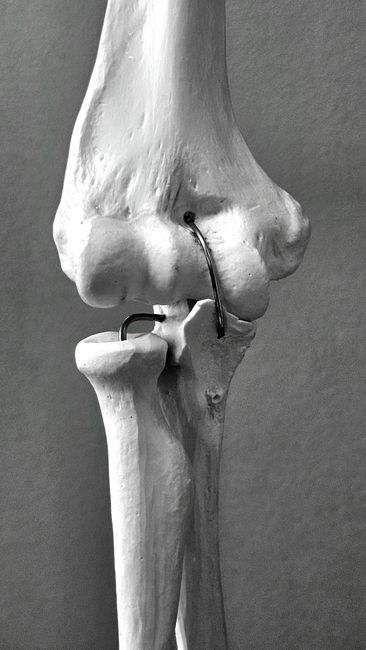
A recent scientific study has uncovered a surprising connection between muscle tissue and the body's ability to heal broken bones. Researchers have found that muscles may hold a hidden key to accelerating the bone repair process, offering new hope for patients with complex fractures. This discovery challenges the traditional view that bone healing is primarily a function of the skeletal system alone. By understanding how these tissues interact, medical professionals may be able to develop more effective treatments for injuries that are currently slow to mend. The findings were highlighted in recent reports detailing advancements in health and biological research. Scientists observed that the biological signals sent from surrounding muscle tissue significantly influence the speed and quality of bone regeneration. This communication between different types of tissue is essential for the body to successfully knit broken parts back together. The study suggests that by targeting these specific muscle-to-bone signals, doctors could potentially stimulate faster recovery times. This approach could be particularly beneficial for elderly patients or those with conditions that naturally impair the healing process. The research team emphasized that this is a significant step forward in regenerative medicine. While further clinical trials are needed to confirm these results in humans, the initial data provides a clear path for future investigation. Experts believe that this discovery could eventually lead to new therapies that combine physical rehabilitation with targeted biological interventions. Such a dual approach might revolutionize how orthopedic surgeons and physical therapists treat severe bone trauma. The scientific community has welcomed these findings as a promising development in our understanding of human biology. As research continues, the focus will shift toward identifying the specific molecules responsible for this healing boost. This work represents the ongoing effort to unlock the body's natural potential for self-repair.
Ask the Author
Subscribers can ask the journalist a question about this story. Subscribe to ask.
中立性の注記
Auto-harvested from global news wires and presented neutrally by PENN.
to vote
Comments
No comments yet — be the first to share your thoughts.