
New Research Suggests Four Minutes of Daily Strength Training Improves Senior Mobility
A study from the Penn State College of Medicine indicates that brief, consistent exercise routines can significantly enhance balance and leg strength in older adults.

PENN Explainer
Hear this story explained in 90 seconds.
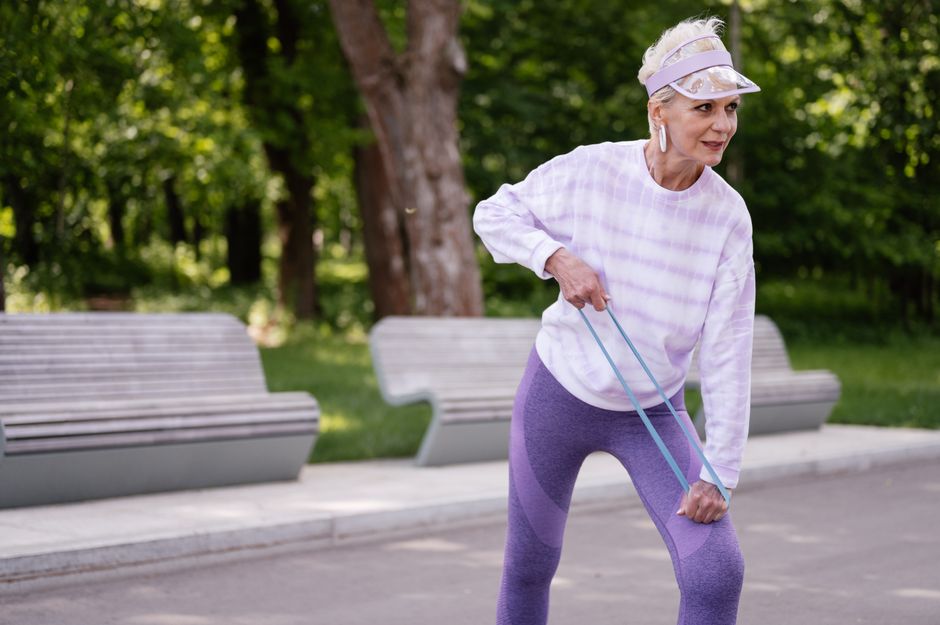
A recent study conducted by researchers at the Penn State College of Medicine has identified a potential breakthrough for maintaining physical independence in older age. The research suggests that just four minutes of daily strength exercises can lead to significant improvements in mobility, balance, and leg strength for seniors. This finding offers a practical alternative for individuals who may struggle to meet the standard public health recommendation of 150 minutes of moderate exercise per week. The study highlights how small, manageable lifestyle adjustments can have a measurable impact on physical health as people age.
By focusing on short bursts of activity, older adults may be able to reduce their risk of dangerous falls and maintain their quality of life. The researchers emphasized that these specific, short-duration measurements are critical for developing accessible fitness programs for aging populations. While traditional exercise guidelines remain important, this new data provides a more flexible approach for those with limited time or physical constraints. The study underscores the importance of consistency over intensity when it comes to long-term health outcomes.
Experts involved in the research noted that the simplicity of the routine could encourage higher participation rates among seniors who might otherwise find longer workouts daunting. Future efforts will likely focus on how to best integrate these brief routines into daily living environments, such as assisted living facilities or home care settings. The team plans to conduct further investigations to determine if these mobility gains translate into a lower incidence of injury over longer periods. This research represents a growing interest in finding efficient, evidence-based ways to support healthy aging through minimal but effective physical interventions. As the global population continues to age, such findings provide valuable tools for public health officials and medical professionals aiming to improve senior wellness.
You've reached your free article limit
You've read 10 of 10 free articles this month. Subscribe to Planet Earth News Network for unlimited access to neutral, global journalism — plus puzzles, podcasts, and the weekly newsletter.
Already a subscriber? Sign in.
Ask the Author
Subscribers can ask the journalist a question about this story. Subscribe to ask.
Neutrality note
Auto-harvested from global news wires and presented neutrally by PENN.
to vote
Comments
No comments yet — be the first to share your thoughts.
Related stories in Health and Fitness
Standing Up From a Chair Linked to Lower Mortality Risk in Older Women
2026-11-17
New Research Links Unhealthy Plant-Based Diets to Brain Structure Changes
2026-11-17