
New Smartwatch Technology Shows Promise in Screening for Obstructive Sleep Apnea
Consumer wearable devices may help identify undiagnosed sleep disorders, guiding patients toward necessary clinical evaluation.
PENN Explainer
Hear this story explained in 90 seconds.
New research indicates that consumer smartwatches can effectively help identify adults with moderate-to-severe obstructive sleep apnea. This development offers a potential new pathway for screening a common sleep disorder that frequently remains undiagnosed in the general population. The findings were highlighted in a recent study published by the American Academy of Sleep Medicine.
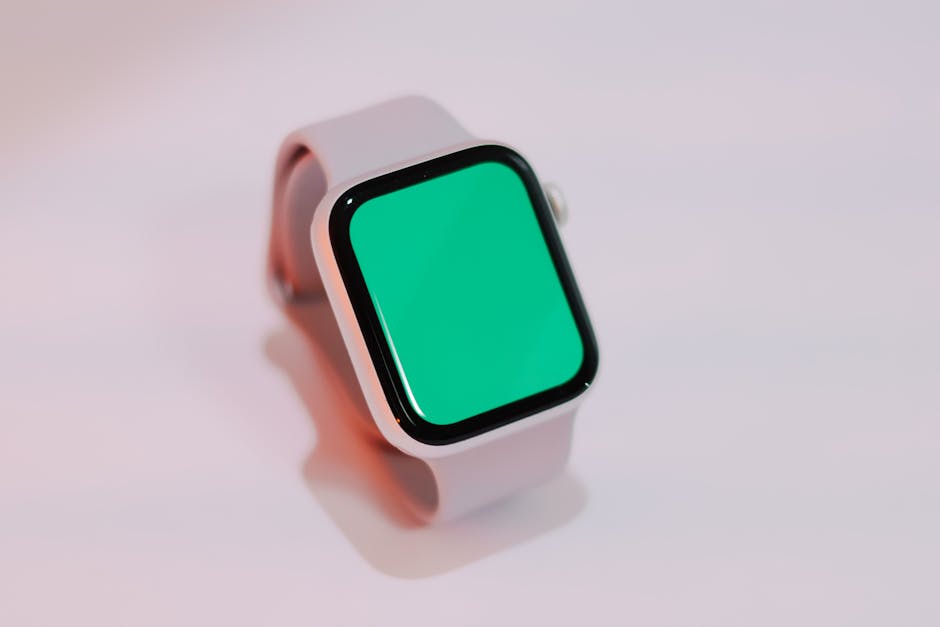
The study specifically evaluated the performance of the Samsung Galaxy Watch in detecting signs of the condition among adults aged 22 and older. Results demonstrated that the device maintained high accuracy in identifying moderate-to-severe cases of obstructive sleep apnea. This suggests that wearable technology could serve as a practical tool for initial health monitoring.
Obstructive sleep apnea occurs when a person's upper airway becomes blocked during sleep, leading to repeated pauses in breathing. While the condition can affect anyone, it is often associated with factors such as obesity, age, and specific physical features like neck or tongue structure. If left untreated, the disorder is linked to increased risks of high blood pressure, heart disease, and stroke.
Researchers emphasized that while smartwatches are not intended to provide a formal medical diagnosis, they can act as an effective screening tool. By identifying potential issues, these devices may guide individuals toward seeking timely professional evaluation and treatment. This could help bridge the gap for many patients who currently go without care.
Standard clinical care for the disorder often involves the use of continuous positive airway pressure, or CPAP, machines. However, many patients find these devices difficult to tolerate, leading to a significant need for alternative diagnostic and treatment options. The integration of wearable technology into the screening process could help address this unmet need.
Medical experts suggest that anyone experiencing symptoms of sleep apnea should consult a healthcare provider. Common warning signs include habitual snoring, as well as gasping or choking sensations during the night. Accredited sleep centers remain the primary resource for formal diagnostic testing and personalized care plans.
Beyond screening, the landscape for treating sleep apnea is also evolving through pharmaceutical research. Recent clinical trials have explored new oral medications designed to support throat muscles and prevent airway collapse during sleep. These developments aim to provide simpler, once-daily options for patients who cannot use traditional equipment.
In addition to technological and medical interventions, lifestyle changes continue to play a critical role in managing the condition. Health organizations often recommend adopting a heart-healthy diet, maintaining a healthy weight, and limiting alcohol intake to reduce the severity of airway obstruction. These habits can significantly lower the risk of complications associated with the disorder.
Ongoing research continues to investigate the complex links between sleep apnea and other serious health conditions. Studies are currently exploring how the disorder impacts mental health, cognitive function, and long-term cardiovascular outcomes. This broad focus aims to improve the overall quality of life for those living with sleep-related breathing issues.
As wearable technology becomes more sophisticated, its role in public health is expected to grow. Future efforts will likely focus on refining these metrics to ensure they provide reliable data for both patients and clinicians. This integration of digital health tools represents a significant step forward in proactive disease prevention.
You've reached your free article limit
You've read 10 of 10 free articles this month. Subscribe to Planet Earth News Network for unlimited access to neutral, global journalism — plus puzzles, podcasts, and the weekly newsletter.
Already a subscriber? Sign in.
Ask the Author
Subscribers can ask the journalist a question about this story. Subscribe to ask.
Neutrality note
Auto-harvested from global news wires and presented neutrally by PENN.
to vote
Comments
No comments yet — be the first to share your thoughts.
Related stories in Health and Fitness

Standing Up From a Chair Linked to Lower Mortality Risk in Older Women
2026-11-17
New Research Links Unhealthy Plant-Based Diets to Brain Structure Changes
2026-11-17