New Stretchable Antenna Technology Enhances Wearable Health Monitoring
Researchers develop a flexible antenna that maintains stable wireless communication even while stretched during natural human movement.
PENN Explainer
Hear this story explained in 90 seconds.
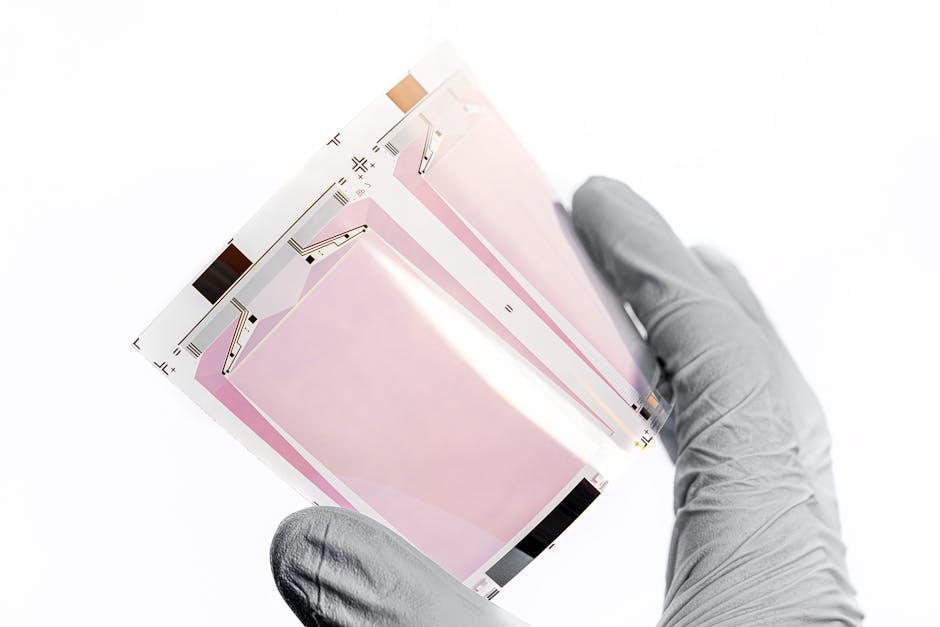
Researchers at Penn State University have developed a new type of stretchable antenna designed to improve the reliability of wearable health-monitoring devices. Unlike traditional rigid antennas, this flexible design can maintain close contact with skin or fabric while a person moves. This breakthrough addresses a common limitation in current wearable technology, where signal quality often drops during physical activity. The study, published in July 2026, highlights the potential for more accurate and continuous health tracking in real-world conditions.
The antenna is built for radiofrequency communication, which is the same wireless technology used by Bluetooth and Wi-Fi systems. Beyond simply transmitting data, the device can also harvest energy from radio waves to power sensors or other components of a monitoring system. This dual functionality could allow for smaller, more efficient wearable devices that do not rely solely on bulky batteries. By integrating energy harvesting, the technology offers a path toward self-sustaining health monitors.
Previous attempts to create stretchable antennas often struggled when the material was pulled in multiple directions. Many earlier designs only functioned correctly when stretched along a single axis, which does not reflect how human bodies move in daily life. The new antenna design overcomes this by maintaining its frequency stability even when stretched by approximately 30% in various directions. In comparison, conventional stretchable antennas typically lose their ability to provide stable power after being stretched by only 5%.
To prove the effectiveness of the design, the research team conducted two practical demonstrations. In one test, they showed that the antenna could harvest enough energy from radio waves to power a small LED light while being stretched. This performance remained consistent despite the physical deformation of the material. The researchers believe this stability is essential for devices that must remain connected while a user is walking, exercising, or performing other natural movements.
Huanyu “Larry” Cheng, the James L. Henderson Jr. Memorial Associate Professor at Penn State, emphasized that medical applications are the primary focus for this technology. He noted that the ability to monitor human health continuously is a significant goal for the field of wearable electronics. By ensuring that devices stay connected during movement, the antenna could provide doctors and patients with more reliable data over longer periods. The team is now looking at how this technology might be applied to other fields, such as environmental monitoring.
Beyond health care, the researchers are exploring the use of these antennas in robotics. Specifically, they are interested in applying the technology to flying robots that monitor environmental changes, such as temperature fluctuations in remote areas. Because the antenna is lightweight and flexible, it could be integrated into the structures of small drones without adding significant weight or bulk. This versatility suggests that the innovation could have a broad impact on various types of remote sensing equipment.
The broader objective of the research is to ensure that wearable electronics remain functional during the moments when people are most active. Continuous data collection is often interrupted when sensors lose their connection due to body movement or shifting fabric. By solving this communication challenge, the team hopes to make wearable technology more practical for everyday use. The development represents a step forward in creating devices that can seamlessly integrate into a person's life without requiring constant adjustments.
This work is part of a larger trend in materials science to create electronics that mimic the properties of biological tissues. As researchers continue to refine these materials, the gap between rigid computer hardware and the soft, moving human body continues to shrink. The ability to stretch and bend without losing electronic performance is a key requirement for the next generation of wearable sensors. Future iterations of the antenna may lead to even more compact and comfortable designs for long-term health monitoring.
The research team plans to continue testing the antenna in more complex environments to ensure its durability. They are also investigating ways to manufacture the material at a larger scale for potential commercial use. As the technology matures, it could become a standard component in a wide range of wireless health devices. The focus remains on creating practical solutions that provide reliable, high-quality data for users and medical professionals alike.
You've reached your free article limit
You've read 10 of 10 free articles this month. Subscribe to Planet Earth News Network for unlimited access to neutral, global journalism — plus puzzles, podcasts, and the weekly newsletter.
Already a subscriber? Sign in.
Ask the Author
Subscribers can ask the journalist a question about this story. Subscribe to ask.
Neutrality note
Auto-harvested from global news wires and presented neutrally by PENN.
to vote
Comments
No comments yet — be the first to share your thoughts.