New Study Finds Resistance Exercise Protects Muscle Mass During Weight Loss Therapy
Clinical trial shows that adding strength training to obesity medication helps preserve lean tissue and improve physical strength in adults.
PENN Explainer
Hear this story explained in 90 seconds.
A recent randomized controlled trial has revealed that incorporating resistance exercise into obesity treatment can significantly reduce the loss of lean muscle mass. The study, published in September 2026, followed 120 adults who were undergoing treatment with the medication tirzepatide. While the drug is highly effective for weight loss, it often causes a reduction in both fat and lean soft tissue, which can negatively impact physical function. Researchers sought to determine if a structured exercise program could mitigate these side effects.
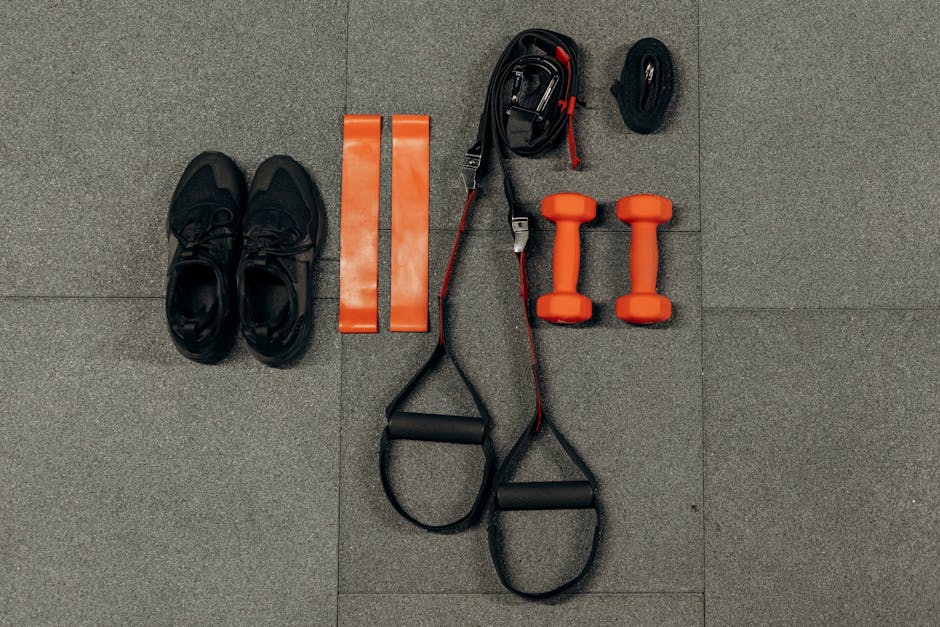
Participants in the trial were divided into two groups, both receiving the same medication regimen. One group performed resistance exercise training three times per week for 40 weeks, while the other group maintained their usual activity levels. The exercise program was designed to target major muscle groups to counteract the muscle-wasting effects often associated with rapid weight reduction. Adherence to the exercise protocol was high, with 91 percent of participants completing the sessions as planned.
At the end of the 40-week period, both groups achieved similar levels of total weight loss and fat loss. However, the group that engaged in resistance training experienced a significantly smaller reduction in total lean soft tissue mass compared to those who did not exercise. This difference suggests that the exercise intervention successfully protected muscle tissue while allowing the medication to continue its primary function of reducing body fat.
Beyond preserving muscle mass, the study measured changes in physical strength. Participants who did not exercise saw a decrease in both upper and lower body strength during their weight loss journey. In contrast, those who participated in the resistance training program showed measurable increases in strength for exercises such as the bench press, lat pulldown, and knee extension.
These findings highlight the importance of combining physical activity with medical weight loss interventions. Maintaining muscle strength is essential for older adults and those with obesity to ensure they remain mobile and independent. The study provides clear evidence that exercise acts as a vital adjunct to modern obesity therapies.
Researchers noted that the exercise program was well-tolerated by the participants, with very few adverse events reported. This safety profile is encouraging for clinicians who may be hesitant to prescribe intense exercise to patients already undergoing significant physiological changes from medication. The results support the integration of strength training into standard care protocols for patients using incretin mimetics.
Sarcopenia, the age-related decline in muscle mass and function, remains a significant public health concern as global populations age. While resistance training is a well-established strategy for managing sarcopenia, this study specifically addresses the unique challenges posed by medical weight loss. By preventing the loss of lean tissue, patients can avoid the functional decline that often accompanies rapid weight reduction.
Future research may explore whether these benefits persist over longer periods or if different types of exercise provide even greater protection. The current data, however, offers a strong foundation for healthcare providers to recommend resistance training as a standard component of weight management plans. Ensuring that weight loss is healthy and sustainable is a primary goal for medical professionals worldwide.
This trial adds to a growing body of evidence regarding the role of exercise in metabolic health. Previous studies have consistently shown that resistance training improves physical performance, gait speed, and handgrip strength in various populations. By focusing on the preservation of lean mass, this research provides a more nuanced understanding of how to optimize health outcomes during medical treatment.
As obesity rates continue to rise, the demand for effective and safe treatment combinations will likely increase. This study demonstrates that the path to better health involves more than just medication alone. A comprehensive approach that includes physical activity is essential for maintaining the strength and vitality of the body throughout the weight loss process.
You've reached your free article limit
You've read 10 of 10 free articles this month. Subscribe to Planet Earth News Network for unlimited access to neutral, global journalism — plus puzzles, podcasts, and the weekly newsletter.
Already a subscriber? Sign in.
Ask the Author
Subscribers can ask the journalist a question about this story. Subscribe to ask.
Neutrality note
Auto-harvested from global news wires and presented neutrally by PENN.
to vote
Comments
No comments yet — be the first to share your thoughts.