
New Study Links Daily Walnut Consumption to Improved Immune Markers in Older Adults
Researchers find that eating 30 to 60 grams of walnuts daily may boost serum IgG levels in aging populations
PENN Explainer
Hear this story explained in 90 seconds.
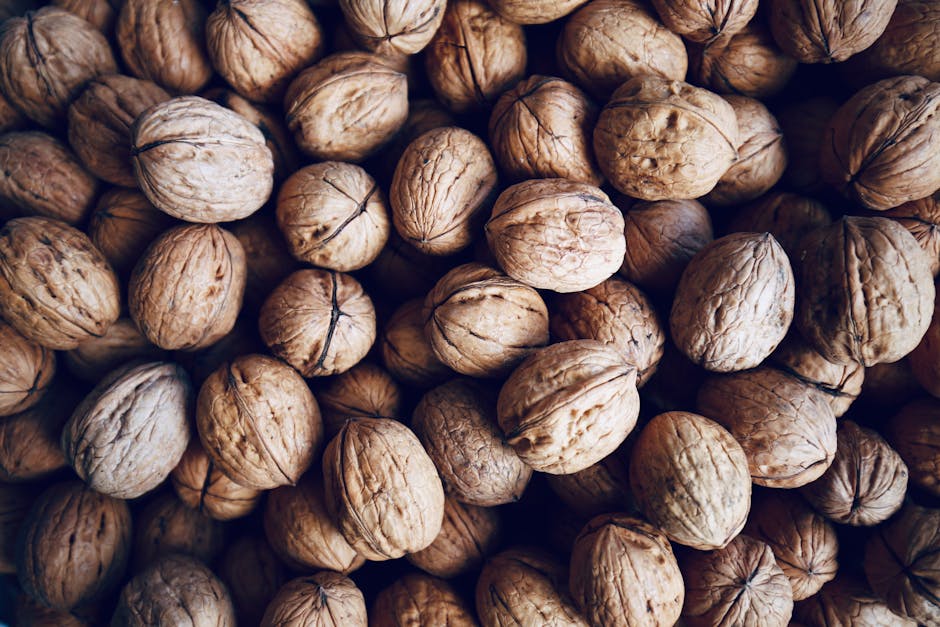
A recent two-year randomized trial has uncovered a potential link between daily walnut consumption and improved immune system markers in older adults. The study, which followed 474 participants, suggests that dietary habits may play a more significant role in immune health than previously understood. Researchers focused on how specific plant-based foods influence the body's internal defense mechanisms over an extended period.
The investigation found that individuals who consumed between 30 and 60 grams of walnuts every day showed a 6% increase in total serum IgG concentrations. Immunoglobulin G, or IgG, is a vital type of antibody that helps the body fight off infections and maintain overall immune function. This finding provides a concrete example of how simple nutritional adjustments can impact biological markers associated with long-term health.
While the increase in IgG levels is a notable discovery, scientists are still working to determine the full clinical implications of these results. The study does not claim that walnuts can prevent specific diseases on their own, but it highlights the importance of nutrient-dense foods in supporting the immune system as people age. Further research will be necessary to understand the exact pathways through which walnut components interact with the human immune response.
This research adds to a growing body of evidence suggesting that diet is a foundational element of healthy aging. Many experts have long advocated for the inclusion of nuts in a balanced diet due to their high content of healthy fats, fiber, and antioxidants. By focusing on specific biomarkers like IgG, this study offers a more precise look at how these nutrients might benefit the body at a cellular level.
The trial was conducted over a two-year period, allowing researchers to observe consistent patterns rather than short-term fluctuations. This duration is particularly important in nutrition science, where the effects of dietary changes often take time to manifest in blood chemistry. The participants were monitored closely to ensure that the observed changes were linked to the controlled intake of walnuts.
As the global population continues to age, finding accessible and effective ways to support immune health has become a priority for public health officials. Nutrition-based interventions are often viewed as cost-effective strategies that can be easily integrated into daily life. This study provides a clear, evidence-based recommendation that could be incorporated into future dietary guidelines for older adults.
Researchers involved in the project emphasized that while the results are promising, they should be viewed as part of a broader approach to wellness. A healthy lifestyle remains the most effective way to maintain immune function, including regular physical activity and adequate sleep. The study serves as a reminder that what we eat is a key component of that overall strategy.
Future studies are expected to explore whether these immune benefits extend to other types of nuts or if they are unique to the specific profile of walnuts. Scientists are also interested in whether these findings hold true across different age groups and diverse populations. The goal is to build a comprehensive understanding of how various foods contribute to long-term disease prevention.
This research highlights the ongoing shift toward personalized nutrition, where specific dietary recommendations are backed by rigorous scientific data. By identifying the mechanisms behind food-based health benefits, experts hope to provide clearer guidance for individuals looking to improve their wellbeing. The findings have been welcomed by the scientific community as a step forward in nutritional research.
As the study concludes, the focus now shifts to how these insights can be translated into practical advice for the public. Health organizations may use this data to refine recommendations for aging populations who are looking for natural ways to support their immune systems. Continued investment in this type of research remains essential for advancing our knowledge of human health.
You've reached your free article limit
You've read 10 of 10 free articles this month. Subscribe to Planet Earth News Network for unlimited access to neutral, global journalism — plus puzzles, podcasts, and the weekly newsletter.
Already a subscriber? Sign in.
Ask the Author
Subscribers can ask the journalist a question about this story. Subscribe to ask.
Neutrality note
Auto-harvested from global news wires and presented neutrally by PENN.
to vote
Comments
No comments yet — be the first to share your thoughts.
Related stories in Health and Fitness

New Research Links Specific Exercise Types to Targeted Bone Density Improvements
2026-11-10
New Research Suggests Topical Drug May Accelerate Wound Healing in Aging Skin
2026-11-10