
Niger Restores Millions of Hectares Through Farmer-Managed Natural Regeneration
A low-cost, community-led technique is reviving degraded Sahel land by protecting existing root systems instead of planting new trees.
PENN Explainer
Hear this story explained in 90 seconds.
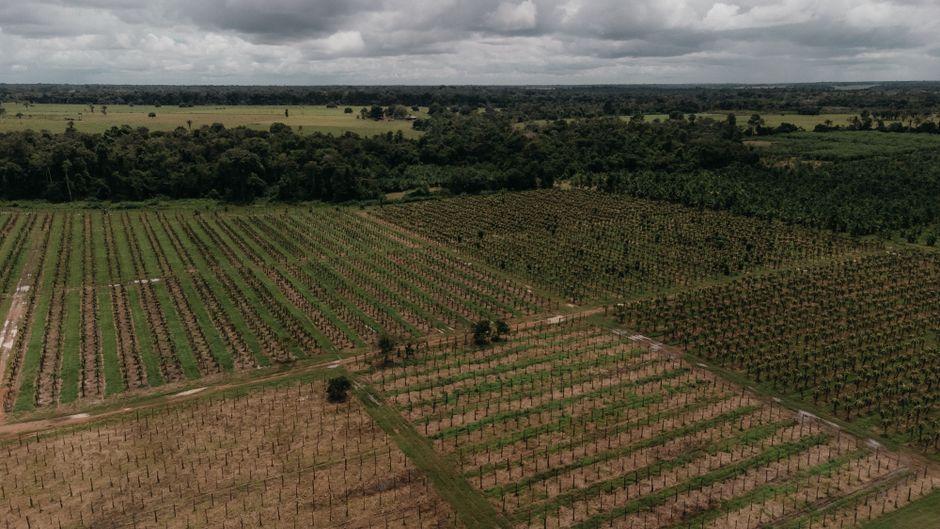
A large-scale land restoration effort in Niger has successfully returned 5 million hectares of degraded Sahel land to productive use. The initiative, known as Farmer-Managed Natural Regeneration, has regenerated more than 200 million trees and improved the livelihoods of approximately 2.5 million people. This approach has achieved significant environmental recovery without the need to plant a single new seedling. The method relies on the natural resilience of existing root systems that remain dormant beneath the soil.
Australian agriculture advisor Tony Rinaudo first observed this potential in 1983 while working in the region. He noticed that land appearing barren often contained living roots waiting for the right conditions to grow. Rinaudo developed a technique where local farmers protect and selectively prune shoots that emerge from these underground systems. This process allows trees to grow back naturally, providing shade, erosion control, firewood, and fruit for the community.
The strategy is effective because it aligns with the economic interests of the farmers who manage the land. By protecting the trees, farmers gain access to essential resources that support their daily needs and agricultural productivity. The scale of this restoration has grown steadily over the past two decades, expanding by an average of 250,000 hectares each year. This consistent progress demonstrates the long-term viability of working with existing ecological structures rather than attempting to replace them.
The success of this initiative highlights how simple, evidence-based practices can address large-scale environmental challenges like desertification. As the program continues, it serves as a model for other regions facing similar pressures from climate change and land degradation. Future efforts will likely focus on scaling these techniques to further enhance food security and ecosystem health across the Sahel.
You've reached your free article limit
You've read 10 of 10 free articles this month. Subscribe to Planet Earth News Network for unlimited access to neutral, global journalism — plus puzzles, podcasts, and the weekly newsletter.
Already a subscriber? Sign in.
Ask the Author
Subscribers can ask the journalist a question about this story. Subscribe to ask.
Neutrality note
Auto-harvested from global news wires and presented neutrally by PENN.
to vote
Comments
No comments yet — be the first to share your thoughts.
Related stories in Solutions

Himalayan Kingdom Achieves Significant Gains in Food Security Through Climate Resilience Program
2026-11-16
Dubai Expands World's Largest Seawater Reverse Osmosis Desalination Plant
2026-11-15