
North Korea Commissions Second Destroyer as Trilateral Drills Commence in Sea of Japan
Pyongyang expands its naval surface fleet while the United States, South Korea, and Japan conduct scheduled joint defense exercises.
PENN Explainer
Hear this story explained in 90 seconds.
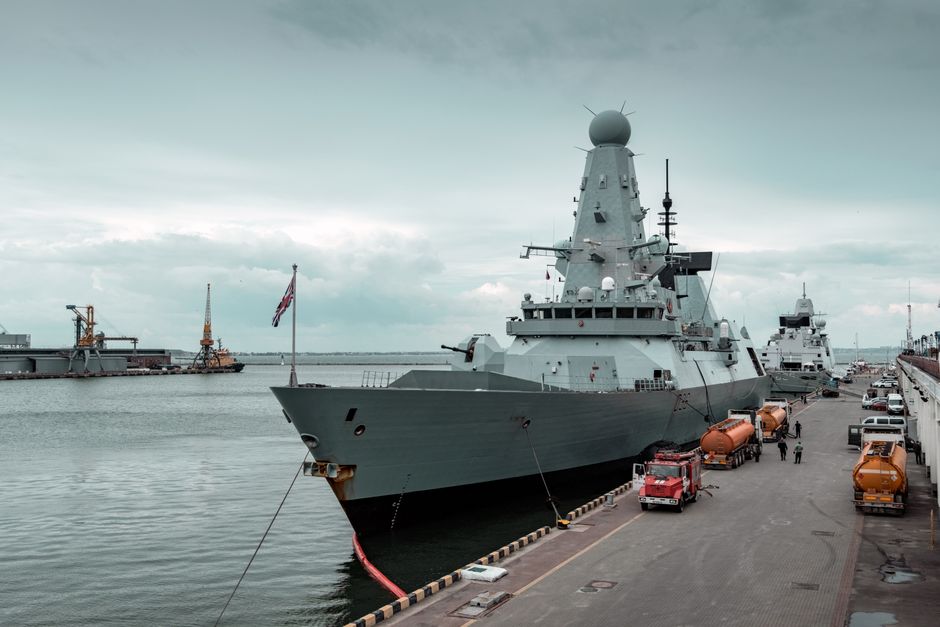
North Korea announced on Monday that it has officially commissioned its second modern naval destroyer, marking a noticeable expansion of its surface warfare capabilities. The commissioning ceremony took place at an eastern naval yard, attended by senior military officials and political representatives. State media broadcast images of the newly completed vessel participating in inaugural dockside inspections before being assigned to active fleet operations.
According to official state news agency reports, the warship is engineered to carry multiple anti-ship cruise missiles and enhanced anti-aircraft defense systems. Military analysts note that Pyongyang has traditionally placed heavier emphasis on its submarine force and small coastal patrol craft. The commissioning of a second full-scale destroyer suggests a focused effort to develop blue-water surface combatants capable of operating further from home shores.
Defense officials in Seoul reported that South Korean intelligence agencies had been monitoring construction of the vessel over recent months. Analysts at the Joint Chiefs of Staff in Seoul observed that the warship appears modeled on modern guided-missile platforms, though its full combat endurance and radar tracking limits remain under evaluation. South Korean authorities stated that they are closely assessing the technical specifications and armaments fitted to the new platform.
The announcement coincided directly with the start of scheduled trilateral naval exercises involving the United States, South Korea, and Japan in international waters in the Sea of Japan. The joint maneuvers bring together guided-missile destroyers, maritime patrol aircraft, and specialized anti-submarine warfare units from the three nations. Fleet commanders stated that the primary objective of the drills is to improve coordinated responses to maritime security contingencies in the Indo-Pacific region.
In Washington, defense officials emphasized that the trilateral exercises were planned well in advance and adhere strictly to international maritime norms. Department of Defense spokespersons confirmed that the training focuses on search-and-rescue interoperability, ballistic missile detection protocols, and secure communications between naval command centers. They reiterated that cooperative exercises with regional partners remain central to deterring instability across the Western Pacific.
Officials in Tokyo also commented on both the regional drills and the North Korean naval developments. Japan's Ministry of Defense noted that trilateral naval coordination reflects shared security agreements reaffirmed during bilateral and multilateral diplomatic meetings over the past year. Japanese defense personnel confirmed that maritime patrol aircraft tracked vessels moving in the region and maintained active surveillance during the commencement of the exercises.
Pyongyang issued statements through state media criticizing the trilateral drills, describing them as provocative joint maneuvers that elevate military posturing along its maritime boundaries. North Korean authorities maintained that their naval expansion, including the introduction of newly commissioned combatants, represents a necessary measure to protect national sovereignty and maritime borders. The statements emphasized that naval personnel would maintain heightened operational readiness throughout the duration of foreign naval exercises in adjacent waters.
Regional security scholars point out that naval modernization has become an increasingly prominent priority for North Korea alongside its ballistic missile program. Over the past decade, naval shipyards in Sinpo and Nampo have undergone infrastructural upgrades aimed at producing larger hulls and integrated radar masts. The induction of larger surface ships signals an ambition to construct a more balanced maritime doctrine.
Diplomatic observers note that maritime interactions around the Korean Peninsula remain sensitive, given overlapping security perimeters and differing assessments of regional stability. Regional organizations have consistently called for open communication channels and established maritime protocols to prevent unintended escalation between operating naval forces. International observers continue to urge all parties to prioritize dialogue and mutual restraint in high-density waterways.
As the trilateral exercises proceed through the week, coastal monitoring stations across the region remain active. Observers from all sides expect routine naval movements to continue alongside diplomatic monitoring, as defense ministries compile data on both the new North Korean warship and the interoperability achieved during the joint maneuvers.
You've reached your free article limit
You've read 10 of 10 free articles this month. Subscribe to Planet Earth News Network for unlimited access to neutral, global journalism — plus puzzles, podcasts, and the weekly newsletter.
Already a subscriber? Sign in.
Ask the Author
Subscribers can ask the journalist a question about this story. Subscribe to ask.
Заметка о нейтральности
Auto-harvested from global news wires and presented neutrally by PENN.
to vote
Comments
No comments yet — be the first to share your thoughts.
Related stories in World/International

Global Climate Summit COP31 Opens in Turkey Amid Calls for Urgent Action
2026-11-12
Brazil Updates Bolsa Família Program with Increased Benefits and Administrative Adjustments
2026-11-11