
Obituary: Masaaki Yamazaki, Former President of the Japanese Senate, Dies at 84 (November 13, 2026)
A veteran lawmaker and key figure in Japanese politics, Yamazaki served as the president of the upper house and held significant roles in the Cabinet.
PENN Explainer
Hear this story explained in 90 seconds.
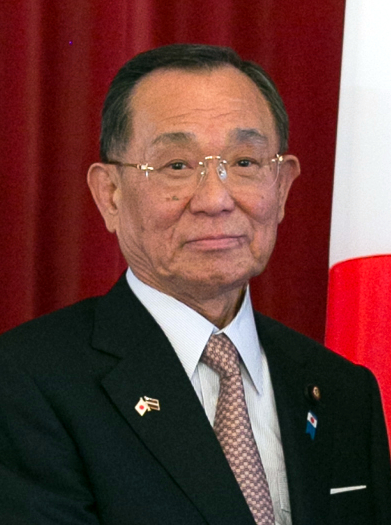
Masaaki Yamazaki, a prominent Japanese politician who served as the president of the House of Councillors, died on November 13, 2026. He was 84 years old at the time of his passing. His death was confirmed by multiple reports tracking recent public figure obituaries in Japan.
Born in 1942, Yamazaki dedicated much of his life to public service within the Liberal Democratic Party. He represented the Hyogo Prefecture and became a fixture in the national legislature over several decades. His career was marked by a steady rise through the ranks of the Japanese government.
Before leading the upper house, Yamazaki served as the deputy chief cabinet secretary. This role placed him at the center of executive decision-making during critical periods of national policy. Colleagues often described him as a disciplined and pragmatic leader who focused on legislative stability.
In 2013, he was elected as the president of the House of Councillors, the upper chamber of the National Diet. He held this prestigious position until 2016, overseeing debates and maintaining order during complex parliamentary sessions. His tenure was noted for his efforts to facilitate cooperation between different political factions.
Beyond his leadership roles, Yamazaki was known for his deep ties to his home region of Hyogo. He maintained a strong connection with his constituents throughout his long career in the Diet. Local supporters frequently cited his accessibility and commitment to regional development as hallmarks of his service.
Political analysts have noted that Yamazaki played a vital role in navigating the legislative challenges of his era. He was often tasked with managing sensitive negotiations that required both patience and political acumen. His ability to build consensus was considered a significant asset to his party.
Following his retirement from the presidency of the Senate, he remained an influential voice within the political establishment. He continued to provide guidance to younger lawmakers and participated in various policy discussions. His experience was frequently sought after by those looking to understand the intricacies of Japanese governance.
News of his passing has prompted tributes from across the political spectrum in Japan. Current and former officials have expressed their condolences, highlighting his long-standing dedication to the nation. Many have praised his contributions to the stability of the parliamentary system.
His death marks the end of a significant chapter for the Liberal Democratic Party in Hyogo. The loss of such a seasoned veteran is expected to be felt by those who worked alongside him in the Diet. Plans for a memorial service are expected to be announced by his family and party representatives in the coming days.
As the country reflects on his legacy, many are looking back at the legislative milestones achieved during his time in office. His career serves as a reminder of the evolving nature of Japanese politics over the last half-century. The impact of his work will likely continue to be discussed by historians and political observers for years to come.
You've reached your free article limit
You've read 10 of 10 free articles this month. Subscribe to Planet Earth News Network for unlimited access to neutral, global journalism — plus puzzles, podcasts, and the weekly newsletter.
Already a subscriber? Sign in.
Ask the Author
Subscribers can ask the journalist a question about this story. Subscribe to ask.
Neutrality note
Auto-harvested from global news wires and presented neutrally by PENN.
to vote
Comments
No comments yet — be the first to share your thoughts.
