Over 100 Indigenous Artworks Reported Missing from Canadian Federal Collection
The Indigenous Art Centre confirms 111 pieces by First Nations, Métis, and Inuit artists are unaccounted for following a recent inventory review.
PENN Explainer
Hear this story explained in 90 seconds.
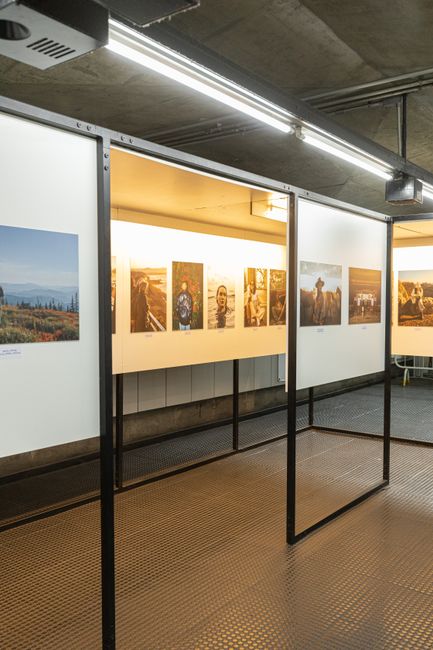
The Indigenous Art Centre in Canada has reported that a significant number of artworks from its federal collection are currently missing. Officials confirmed that 111 pieces are unaccounted for out of a total collection of more than 5,000 works. This collection is one of the most important records of Indigenous creativity in the country. It includes pieces created by First Nations, Métis, and Inuit artists over several decades.
The missing items were identified during a recent review of the government’s holdings. The collection is managed by Crown-Indigenous Relations and Northern Affairs Canada, a department of the federal government. This department is responsible for preserving these works for the public and the artists' descendants. The discovery has raised questions about how the art is tracked and stored.
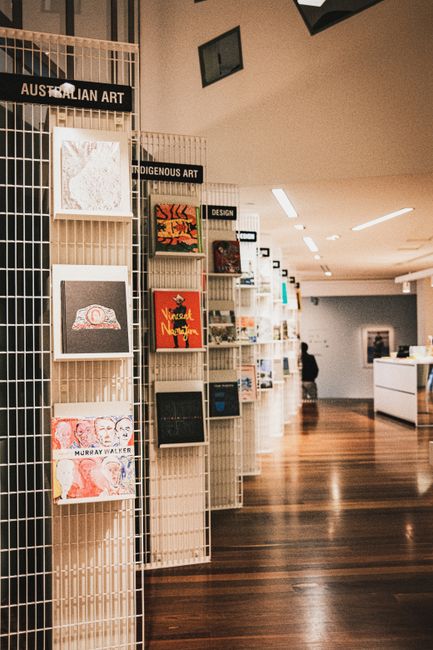
The Indigenous Art Centre was established in 1965 to support and promote Indigenous artists across Canada. Since then, it has grown into a massive archive of cultural history and artistic expression. The works in the collection range from traditional carvings to modern paintings and textiles. Losing even a small percentage of these items is considered a blow to the nation's cultural heritage.
Journalist Hadani Ditmars reported on the situation, noting that the missing works represent a variety of styles and eras. Some of the pieces have been missing for years, while others were only recently noticed as gone. The department is now working to determine if the items were lost, stolen, or simply mislabeled in the system. Inventory audits are ongoing to ensure no other pieces have disappeared.
The federal government uses this collection for exhibitions in public buildings and diplomatic offices around the world. Because the art travels frequently, keeping track of every piece can be a difficult task for staff. However, the scale of the current loss has prompted a more thorough investigation into the center's management practices. Officials are looking at past loan records to see where the art might have gone.
Many of the artists represented in the collection are well-known figures in the global art world. Their work tells the story of Indigenous life, struggles, and triumphs in North America. For many families, these artworks are a vital link to their ancestors and their community's history. The loss of these pieces means that future generations may not have the chance to see them.
The department has stated that it takes the preservation of Indigenous art very seriously. They are currently updating their digital tracking systems to prevent similar issues in the future. New security measures are also being considered for the storage facilities where the art is kept. The goal is to create a more transparent and reliable way to manage the thousands of items in the collection.
Indigenous leaders and art experts have expressed concern over the news of the missing works. They argue that these pieces are not just government property, but sacred cultural objects. Some have called for a full independent inquiry into the disappearance of the 111 artworks. They want to ensure that the government is held accountable for the safety of the remaining collection.
The search for the missing art involves checking warehouses, government offices, and museum basements across the country. Sometimes, art that is marked as missing is eventually found in a different location due to clerical errors. The Indigenous Art Centre is hopeful that some of the 111 pieces will be recovered through this process. However, they acknowledge that some items may be lost permanently.
This situation highlights the challenges that many large museums and government agencies face when managing massive collections. With thousands of items in circulation, errors in documentation can lead to significant gaps in inventory. The Indigenous Art Centre is now focused on reconciling its records to provide a clear picture of what remains. They plan to share more updates as the investigation continues.
The collection remains a vital resource for researchers and curators who study Indigenous art history. It provides a unique look at how artistic styles have evolved over the last sixty years. Even with the current losses, the center continues to acquire new works to support living artists. This ensures that the collection remains a living record of Indigenous culture.
As the federal government works to locate the missing pieces, the story has sparked a wider conversation about art restitution and protection. Many people believe that better collaboration between the government and Indigenous communities is needed. By working together, they hope to better protect the artistic legacy of First Nations, Métis, and Inuit people. The focus remains on finding the 111 missing works and returning them to the public eye.
You've reached your free article limit
You've read 10 of 10 free articles this month. Subscribe to Planet Earth News Network for unlimited access to neutral, global journalism — plus puzzles, podcasts, and the weekly newsletter.
Already a subscriber? Sign in.
Ask the Author
Subscribers can ask the journalist a question about this story. Subscribe to ask.
中立性の注記
Auto-harvested from global news wires and presented neutrally by PENN.
to vote
Comments
No comments yet — be the first to share your thoughts.