
Panama Canal Increases Daily Transit Capacity and Draft Limits
Improved water levels allow the waterway to expand daily bookings and accommodate larger vessels.
PENN Explainer
Hear this story explained in 90 seconds.
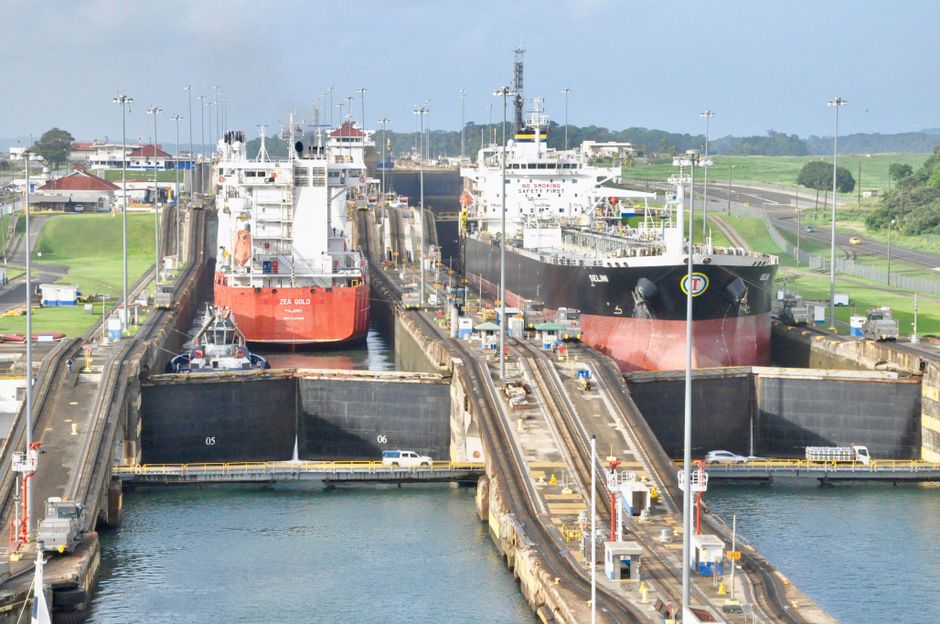
The Panama Canal Authority has officially increased its daily transit capacity to 34 vessels, marking a positive shift for global maritime trade. This adjustment, announced in a November 9 advisory, follows a period of significant operational restrictions caused by water shortages. The waterway now offers 24 slots through its Panamax locks and 10 slots through its larger Neopanamax locks.
In addition to the increased number of daily transits, the authority has raised the maximum authorized draft for vessels using the Neopanamax locks to 15.24 meters, or 50 feet. This change, which took effect immediately, allows larger ships to carry more cargo through the canal. The decision was made possible by improved lake levels and favorable hydrological forecasts for the region.
These operational improvements provide much-needed relief for shipping companies that have faced months of uncertainty. During the height of the recent drought, the canal was forced to sharply reduce transit numbers to conserve water. At one point, daily capacity dropped to as few as 22 vessels, causing significant delays for international supply chains.
The additional booking slot for Super-category vessels at the Panamax locks will be phased into the reservation system over the coming weeks. For transit dates between November 12 and November 17, the slot will be available through the canal's auction system. Subsequent dates will be managed through special competition and regular booking periods.
Boris Moreno Vásquez, the vice-president for operations at the Panama Canal Authority, emphasized that the transit reservation system remains the primary way to ensure a scheduled passage. Vessels arriving at the canal without a confirmed booking may still face substantial delays. The authority continues to monitor rainfall and watershed conditions to ensure the long-term sustainability of the route.
This expansion is particularly important for agricultural exporters who rely on the canal to move goods between U.S. Gulf ports and Asian markets. By increasing capacity and draft limits, the canal aims to improve reliability for these critical trade routes. The ability to sustain these higher levels will depend on continued freshwater availability in the coming months.
The waterway has faced extra pressure this year as global shipping traffic shifted due to disruptions in the Middle East. This redirection of vessels increased competition for available transit slots, particularly among energy carriers. The recent adjustments are intended to provide shipping lines with greater flexibility in planning their itineraries.
Despite the improved outlook, the Panama Canal Authority maintains a cautious approach to its operations. Officials stated they will continue to communicate any necessary adjustments to ensure the competitiveness of the interoceanic route. The canal remains a vital link for global commerce, connecting the Atlantic and Pacific oceans.
As the final weeks of 2026 approach, the shipping industry is watching these developments closely. The return to higher capacity levels is seen as a significant step toward stabilizing maritime logistics. The authority's focus remains on balancing water conservation with the demands of international trade.
You've reached your free article limit
You've read 10 of 10 free articles this month. Subscribe to Planet Earth News Network for unlimited access to neutral, global journalism — plus puzzles, podcasts, and the weekly newsletter.
Already a subscriber? Sign in.
Ask the Author
Subscribers can ask the journalist a question about this story. Subscribe to ask.
Neutrality note
Auto-harvested from global news wires and presented neutrally by PENN.
to vote
Comments
No comments yet — be the first to share your thoughts.
Related stories in Oceanic/Maritime

U.S. Companies Seek Deep-Sea Mining Licenses in South Pacific International Waters
2026-11-15
U.S. Maritime Administration Awards $498 Million for Port Infrastructure Upgrades
2026-11-14