
Paris Prosecutors Seek Trial for Giuliano Ruffini in Major Old Master Forgery Case
A decade-long investigation into alleged high-stakes art fraud moves toward a landmark trial involving works once attributed to Renaissance masters.
PENN Explainer
Hear this story explained in 90 seconds.
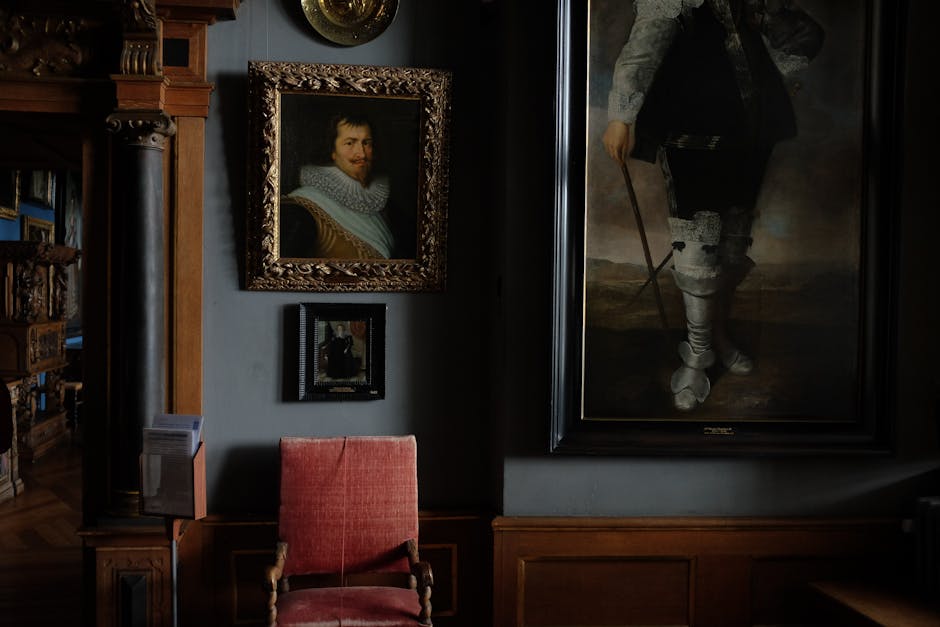
Paris prosecutors have officially requested that Giuliano Ruffini stand trial for his alleged role in a massive art forgery scandal. This case has been under investigation for nearly a decade and involves several high-profile paintings. The works were originally sold as authentic masterpieces by famous artists from the Renaissance and Baroque periods.
Giuliano Ruffini is a French art collector who first came under scrutiny in 2016. At that time, French authorities seized a painting titled "Venus" that was attributed to the German master Lucas Cranach the Elder. The painting was on loan to an exhibition in France from the Prince of Liechtenstein.
The investigation soon expanded to include other significant works of art. These included a portrait attributed to Frans Hals and a "Saint Jerome" thought to be by Parmigianino. Many of these paintings had been sold for millions of dollars to wealthy collectors and major museums around the world.
Prosecutors are now seeking charges of fraud, money laundering, and organized crime against Ruffini. They believe he was the central figure in a ring that produced and sold sophisticated forgeries. The legal request for a trial marks a major step in one of the most complex art fraud cases in history.
Throughout the investigation, Giuliano Ruffini has maintained his innocence. He has stated in various interviews that he is a simple collector who found these works in various places. He claims he never personally identified them as masterpieces, but rather that experts and auction houses made those determinations.
Scientific analysis played a crucial role in building the case against the alleged forgeries. Independent laboratories conducted tests on the materials used in the paintings. They reportedly found modern pigments and synthetic materials that would not have existed during the time of the Old Masters.
The scandal has caused significant embarrassment for the international art market. Several prestigious auction houses and galleries were involved in the sale and authentication of these works. The case has raised serious questions about the reliability of traditional art expertise and the methods used to verify age.
The legal process has involved close cooperation between law enforcement in France and Italy. Ruffini was extradited from Italy to France in 2022 to face questioning by investigators. Since then, he has been under judicial supervision while the evidence was being reviewed by the prosecution team.
If the trial proceeds, it is expected to feature testimony from numerous art historians and scientific experts. They will likely debate the techniques used to create the paintings and how they managed to fool so many professionals. The trial could last for several months given the volume of evidence and the number of works involved.
A French judge will now review the request from the prosecutors to decide if there is enough evidence for a full trial. This decision is expected to be made in the coming months. If the judge agrees, the trial would likely take place in Paris and draw global attention from the art community.
The outcome of this case could lead to new regulations in the art market regarding the sale of Old Master works. Many experts believe that more rigorous scientific testing will become standard for high-value transactions. This shift would aim to restore trust among collectors and public institutions.
For now, the art world remains focused on the upcoming legal decision. The case serves as a reminder of the challenges involved in protecting cultural heritage from sophisticated fraud. It also highlights the ongoing tension between traditional connoisseurship and modern forensic science.
Ask the Author
Subscribers can ask the journalist a question about this story. Subscribe to ask.
Neutralitätsvermerk
Auto-harvested from global news wires and presented neutrally by PENN.
to vote
Comments
No comments yet — be the first to share your thoughts.
Related stories in Art and Culture
Denver Art Museum Announces Major Exhibition on Indigenous Latin American Art
2026-09-25
The Louvre Lends Historic Islamic Masterpieces to the Smithsonian in Washington, D.C.
2026-09-25