
Travelen
Portugal Expands Heritage Tourism Strategy by Transforming Historic Architecture in Porto and Regional Hubs
National and municipal authorities convert conserved urban landmarks into cultural sites and sustainable visitor centers to distribute tourism beyond overcrowded hotspots.
PENN Explainer
Hear this story explained in 90 seconds.
Portugal has initiated a comprehensive nationwide program to restore and repurpose historical landmarks across major urban centers, with a specific focus on Porto and secondary destinations. The strategy aims to expand cultural tourism by transforming centuries-old architecture into active museums, cultural centers, and sustainable public attractions. Municipal leaders in Porto are coordinating with federal tourism authorities to manage visitor density while preserving significant architectural heritage.
Under this heritage development framework, civic administrators and conservation architects are working together to revitalize historic districts that have seen rising tourist interest. By restoring vacant palaces, former municipal administrative facilities, and residential heritage properties, regional officials seek to offer authentic cultural experiences. Tourism planners emphasize that repurposing existing structures helps safeguard architectural identity without requiring intrusive new construction.
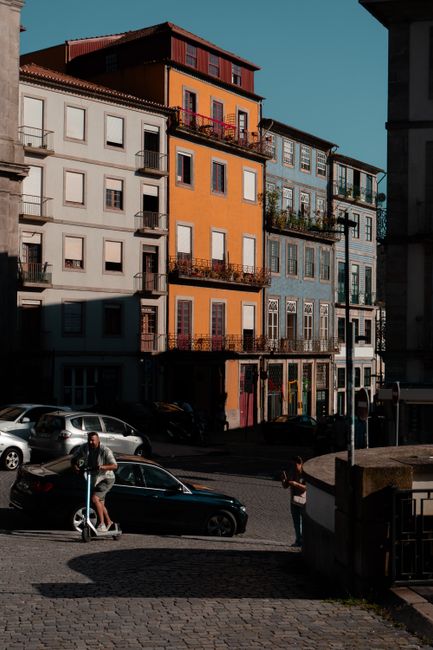
Porto, recognized globally for its historic Ribeira quarter and architectural legacy along the Douro River, serves as a primary hub for this preservation model. Municipal officials are directing investments into neglected quarters to alleviate foot traffic around traditional tourist clusters. The restored sites will integrate guided heritage walks, interactive regional exhibitions, and dedicated spaces for local artisans and cultural performers.
The project reflects a broader national push across Portugal to modernize the travel sector while directly addressing community concerns over unchecked tourism expansion. Tourism analysts note that concentrated visitor flows in major urban districts have previously strained local transit and infrastructure. By redistributing visitors across newly restored heritage venues throughout northern and central Portugal, officials intend to spread economic benefits to a wider cross-section of residents.
Portugal’s tourism leadership emphasized that conservation guidelines established under national heritage legislation will remain strictly enforced throughout all rehabilitation work. Independent conservation teams oversee the structural adaptations to guarantee that original stonework, woodwork, and exterior facades remain intact. Modern additions, such as digital visitor ticketing systems and universal accessibility ramps, are carefully integrated without compromising historical integrity.
Local economic development groups have praised the conversion initiatives, projecting that the newly opened venues will foster year-round tourism rather than seasonal summer peaks. Diversifying urban attractions encourages international and domestic travelers to extend their stays and explore surrounding regional municipalities. Regional transit operators are also aligning bus and light rail schedules to connect visitors directly to the outlying restored landmarks.
Sustainability standards play a central role in the redevelopment contracts awarded across the participating cities. Contractors are required to implement low-energy illumination, specialized moisture management systems, and sustainable waste diversion protocols within the heritage complexes. These measures are designed to reduce the ecological footprint of tourist foot traffic inside delicate, historic environments.
Civic leaders continue to consult with resident neighborhood groups to ensure that commercial tourism ventures do not displace long-standing community services. Public plazas surrounding several newly restored sites in Porto will remain communal gathering areas for neighborhood residents, maintaining a balance between civic life and international tourism. Officials maintain that authentic community engagement is essential for the sustainable success of any cultural tourism expansion.
International travel organizations have increasingly noted Portugal's strategic move toward cultural conservation as a viable model for managing overtourism. By offering high-value educational and cultural itineraries, destinations can reduce reliance on high-volume, low-engagement tourism. Tourism authorities report that the newly restored sites will open in phases, with the initial series of venues expected to welcome travelers throughout the autumn travel season.
Neutrality note
Auto-harvested from global news wires and presented neutrally by PENN.
to vote
Comments
No comments yet — be the first to share your thoughts.