Rare Swamp Deer Subspecies Thriving in New Habitat in India
Conservationists successfully relocate hard-ground swamp deer to the Satpura Tiger Reserve to ensure species survival.
PENN Explainer
Hear this story explained in 90 seconds.
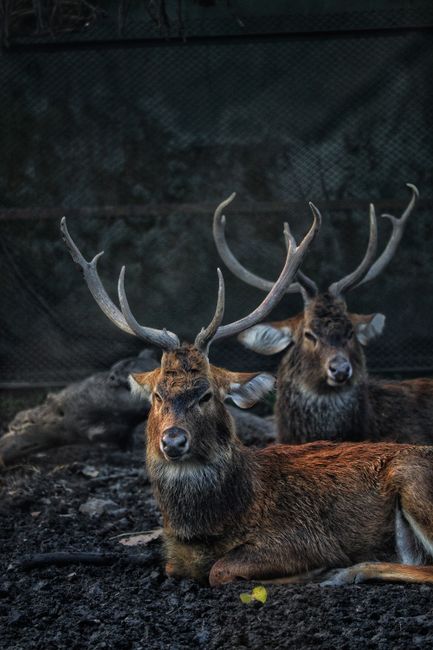
A rare subspecies of swamp deer, known as the hard-ground barasingha, has successfully established a new population within India's Satpura Tiger Reserve. This initiative marks a significant milestone in wildlife conservation, as the species was previously confined to a single location in Kanha National Park. By creating a second home for these animals, experts aim to protect the subspecies from the risks of disease or natural disasters that could wipe out a single, isolated group. The project is the result of years of careful planning and collaboration between state forest departments and wildlife biologists. Conservationists spent months preparing the new habitat to ensure it could support the specific dietary and environmental needs of the deer. This included managing vegetation and ensuring the area was free from major threats. The successful relocation demonstrates how targeted intervention can expand the range of endangered animals. Once the deer were moved, teams monitored them closely to ensure they adapted to their new surroundings. Recent reports confirm that the population is not only surviving but thriving in the reserve. This success provides a replicable model for other conservation efforts aimed at protecting vulnerable species through habitat expansion. The project highlights the importance of proactive management in preventing the extinction of rare wildlife. By moving beyond simple protection to active habitat creation, officials are securing a more stable future for the hard-ground barasingha. Future efforts will continue to track the growth of this new herd to ensure long-term viability. This achievement serves as a positive example of how scientific data and community cooperation can lead to measurable environmental progress.
Ask the Author
Subscribers can ask the journalist a question about this story. Subscribe to ask.
中立性の注記
Auto-harvested from global news wires and presented neutrally by PENN.
to vote
Comments
No comments yet — be the first to share your thoughts.