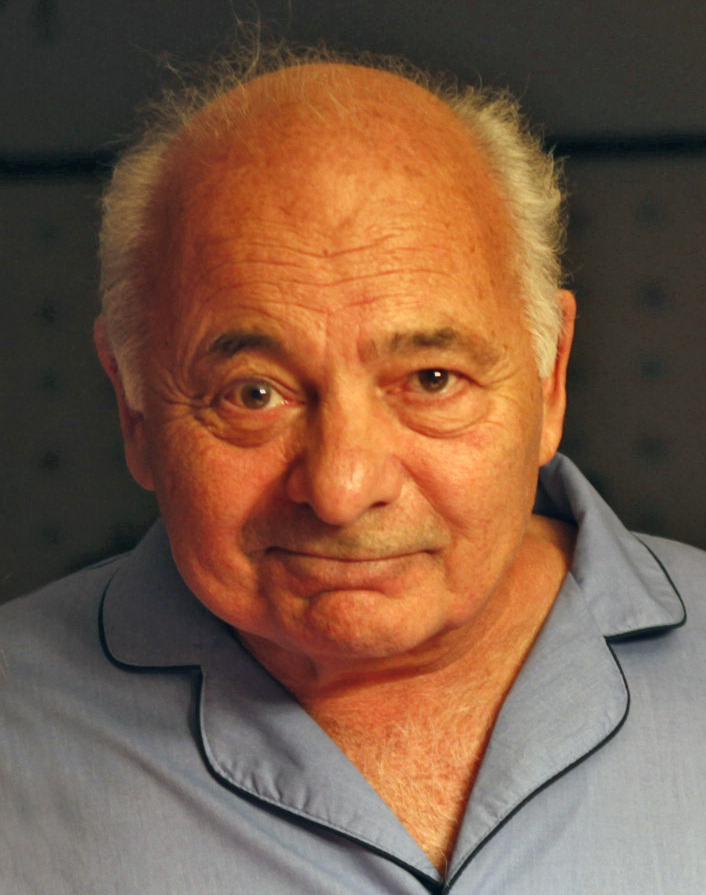
Remembering: Yasser Arafat, 22 Years On (d. November 11, 2004)
Reflecting on the legacy of the Palestinian leader and Nobel Peace Prize laureate on the anniversary of his passing.

PENN Explainer
Hear this story explained in 90 seconds.
November 11 marks the 22nd anniversary of the death of Yasser Arafat, a central figure in the Palestinian national movement. Born on August 24, 1929, Arafat spent decades at the forefront of efforts to establish an independent Palestinian state. He passed away on November 11, 2004, in Paris, France, leaving behind a complex and enduring political legacy.
As the longtime chairman of the Palestine Liberation Organization, Arafat became the primary face of the Palestinian cause on the global stage. He led the Fatah movement, which he helped found, and navigated the turbulent politics of the Middle East for over forty years. His leadership was defined by his ability to maintain influence through shifting alliances and regional conflicts.
In 1994, Arafat received the Nobel Peace Prize alongside Israeli leaders Yitzhak Rabin and Shimon Peres. This recognition followed the signing of the Oslo Accords, which were intended to provide a framework for peace and Palestinian self-governance. The agreement was a historic, albeit controversial, attempt to resolve the long-standing conflict between Israelis and Palestinians.
Despite the optimism surrounding the peace process in the 1990s, the path toward a lasting resolution remained difficult. Arafat faced significant challenges, including internal political divisions and the collapse of subsequent negotiations. His supporters often viewed him as a symbol of national resilience and identity, while his critics frequently questioned his methods and the effectiveness of his leadership.
Following his death in 2004, his remains were interred in a mausoleum in Ramallah, located in the West Bank. The site has since become a place of pilgrimage for many Palestinians who view him as the father of their national movement. His influence continues to be felt in the political discourse surrounding the future of the region.
Historians and political analysts continue to examine his impact on the Middle East. His life story reflects the broader struggles of the 20th century, marked by displacement, revolution, and the pursuit of statehood. The anniversary of his death serves as a moment for many to reflect on the history of the Palestinian struggle.
Beyond his political activities, Arafat was known for his distinctive appearance, often seen wearing a traditional keffiyeh and military-style fatigues. These symbols became synonymous with his public persona and his commitment to the Palestinian cause. He remained a polarizing figure until the end of his life, drawing both intense loyalty and sharp criticism.
International observers often note that the peace process he helped initiate remains unfinished. The complexities of the Israeli-Palestinian conflict have evolved significantly since his passing, yet the core issues he addressed remain central to regional stability. Many continue to debate the long-term consequences of the decisions made during his tenure.
Today, the memory of Arafat is maintained through various cultural and political commemorations in the Palestinian territories. Schools, streets, and public institutions bear his name, ensuring his presence in the daily lives of many citizens. These tributes highlight his role as a foundational figure in modern Palestinian history.
As time passes, the perspective on his leadership continues to shift among new generations. While some focus on his role as a revolutionary icon, others emphasize the limitations of the peace agreements he signed. This ongoing discussion underscores the deep and lasting impact he had on the political landscape of the Middle East.
You've reached your free article limit
You've read 10 of 10 free articles this month. Subscribe to Planet Earth News Network for unlimited access to neutral, global journalism — plus puzzles, podcasts, and the weekly newsletter.
Already a subscriber? Sign in.
Ask the Author
Subscribers can ask the journalist a question about this story. Subscribe to ask.
নিরপেক্ষতা নোট
Auto-harvested from global news wires and presented neutrally by PENN.
to vote
Comments
No comments yet — be the first to share your thoughts.