Researchers Advance Robotics Through Large Language Model Integration
New studies show how AI-powered language models are helping robots learn complex tasks and improve coordination.

PENN Explainer
Hear this story explained in 90 seconds.
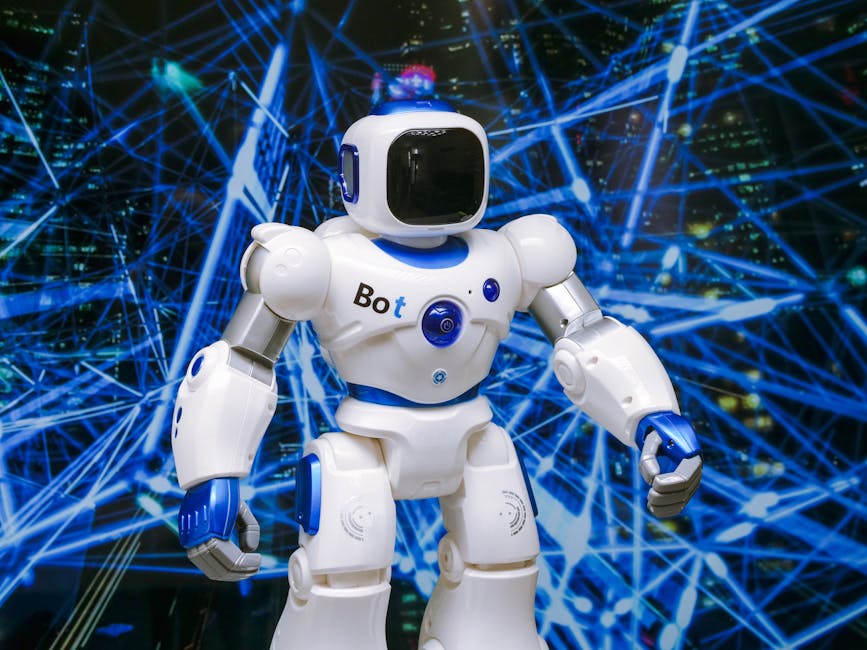
The field of robotics experienced a significant shift in 2024 as researchers increasingly integrated large language models (LLMs) into mechanical systems. These advanced AI models are being used to help robots understand and execute complex instructions more effectively than ever before. By bridging the gap between human language and machine action, scientists are making robots more versatile and capable of performing tasks in dynamic environments. This development marks a departure from traditional programming, where every movement had to be explicitly coded by engineers. Instead, robots are now beginning to interpret intent and adapt their behavior based on the context of their surroundings. Experts suggest that this integration could be the key to making humanoid robots and other automated machines commercially viable for everyday use. One notable example of this progress was showcased at the International Conference on Robotics and Automation (ICRA) held in Yokohama, Japan. Researchers from the University of Southern California presented findings on how to conditionally combine robot skills using these language models. Their work highlights how AI can act as a bridge, allowing robots to chain together different learned behaviors to complete multi-step objectives. This approach reduces the need for constant human intervention and allows machines to handle more unpredictable scenarios. The research team included K.R. Zentner, Ryan Julian, Brian Ichter, and Gaurav S. Sukhatme, who co-authored papers detailing these advancements. Their contributions are part of a broader effort to create more autonomous and reliable robotic systems. Beyond academic research, the industry has seen massive financial investment to support these technological leaps. For instance, the company Figure raised $675 million in a Series B funding round earlier in 2024 to accelerate the development of its humanoid robots. This level of capital investment underscores the growing belief that AI-driven robotics will soon have a practical impact on various sectors. While the technology is still evolving, the combination of LLMs and robotics is widely considered one of the most exciting trends in modern engineering. As these systems become more sophisticated, the focus is shifting toward ensuring they can operate safely and efficiently in real-world settings. Future research will likely continue to explore how these models can improve robot learning, vision, and decision-making processes. The ongoing collaboration between computer scientists and robotics engineers remains essential to overcoming current limitations in machine autonomy. As the field moves forward, the goal remains to create machines that can assist humans in increasingly complex and helpful ways.
Ask the Author
Subscribers can ask the journalist a question about this story. Subscribe to ask.
Заметка о нейтральности
Auto-harvested from global news wires and presented neutrally by PENN.
to vote
Comments
No comments yet — be the first to share your thoughts.