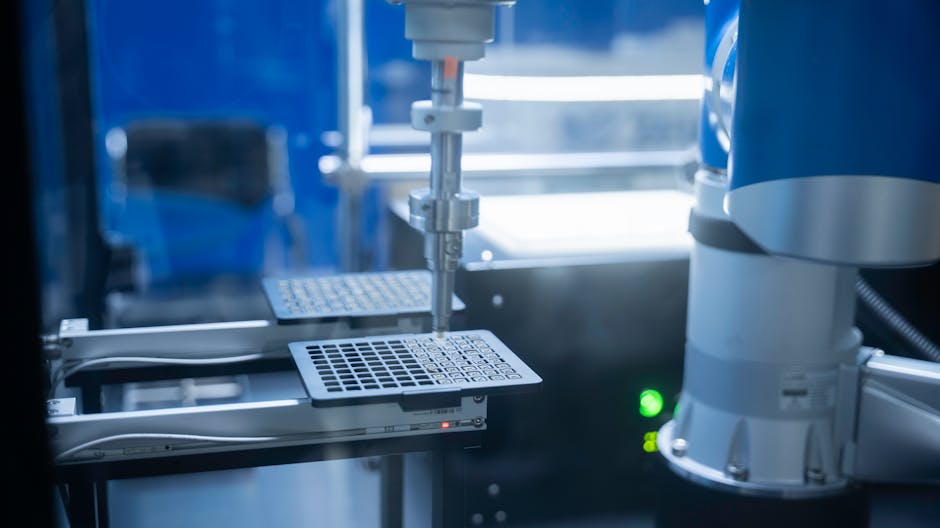
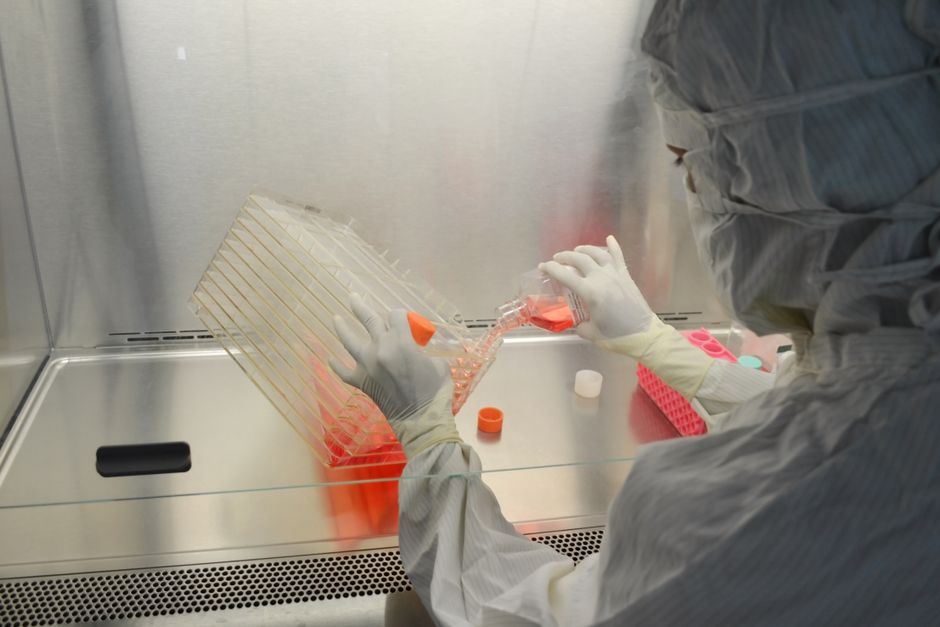
Researchers Develop New Blood Protein Test for Fatty Liver Disease
A single protein marker could provide a less invasive diagnostic alternative to traditional liver biopsies.
PENN Explainer
Hear this story explained in 90 seconds.
Medical researchers have identified a specific blood protein that could serve as a reliable diagnostic marker for fatty liver disease. This discovery offers a potential path toward replacing invasive liver biopsies with a simple blood test. The findings represent a significant advancement in clinical diagnostics for a condition that affects millions of people worldwide. By detecting the disease earlier and more easily, doctors may be able to intervene before serious liver damage occurs.
The study highlights how targeted protein analysis can improve patient outcomes and reduce the need for surgical procedures. Experts suggest that this biomarker could become a standard tool in routine health screenings. The research team focused on isolating proteins that correlate directly with the progression of liver fat accumulation. Their work provides a clear quantitative link between the presence of this protein and the severity of the disease.
This development is expected to streamline the diagnostic process for healthcare providers and patients alike. Future clinical trials will aim to validate the accuracy of this test across diverse patient populations. If successful, the method could be integrated into existing medical infrastructure within the next few years. The shift toward non-invasive testing is a major goal for modern hepatology and preventative medicine.
Researchers believe that this breakthrough will help address the growing global burden of metabolic liver conditions. By simplifying the diagnostic pathway, the medical community hopes to increase early detection rates significantly.
You've reached your free article limit
You've read 10 of 10 free articles this month. Subscribe to Planet Earth News Network for unlimited access to neutral, global journalism — plus puzzles, podcasts, and the weekly newsletter.
Already a subscriber? Sign in.
Ask the Author
Subscribers can ask the journalist a question about this story. Subscribe to ask.
Neutrality note
Auto-harvested from global news wires and presented neutrally by PENN.
to vote
Comments
No comments yet — be the first to share your thoughts.