Saudi Arabia and UK Launch Joint Quantum Brain Research Initiative
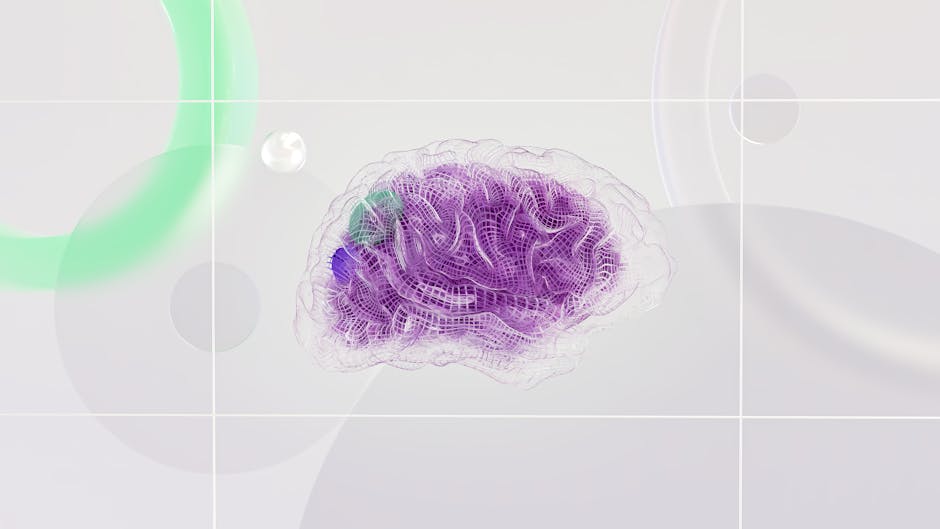
KACST and Imperial College London partner to study quantum effects in neuronal cell membranes and fetal brain development.
PENN Explainer
Hear this story explained in 90 seconds.
The King Abdulaziz City for Science and Technology (KACST) and Imperial College London announced a new scientific partnership on September 1, 2026. This collaboration aims to advance the field of quantum brain research by combining physics, biology, and engineering. Researchers will study how quantum mechanical phenomena influence the way the human brain works at its most basic levels. The agreement was officially signed in Riyadh during an international event called the Quantum Forum.
The Quantum Forum was organized by the Centre for the Fourth Industrial Revolution in Saudi Arabia, which is an affiliate of the World Economic Forum. The event was held in partnership with KACST and the King Salman Science Oasis. This year’s theme for the forum is “Shaping the Future Quantum Workforce.” Leaders from around the world gathered to discuss how to train new scientists for a world where quantum technology is becoming more common.
Dr. Munir Eldesouki, the President of KACST, was present to sign the agreement and support the project. He was joined by Professor Mark Johnson, who serves as the Head of Research at the Quantum Brain Laboratory at Imperial College London. Both leaders expressed excitement about the potential for discovery that this partnership offers. They believe that working together will help both institutions lead the way in this emerging scientific field.
A major goal of the research is to build an engineering framework to study the tiny parts of brain cells. Specifically, the teams will investigate neuronal cell membranes, which are the thin outer layers that protect nerve cells. Scientists want to know if quantum properties play a role in how these membranes send and receive signals. This information could change how we understand the speed and efficiency of human thought.
The project also focuses on the role of fatty acids in the brain's signaling process. Researchers will look for evidence that these molecules interact with quantum mechanical fields to help neurons communicate. This part of the study is highly multidisciplinary, involving experts in neuroscience, biochemistry, and physics. By bringing these different views together, the team hopes to solve mysteries that a single field could not handle alone.
To conduct this research, the partnership will develop advanced measurement and testing tools. These new technologies will combine quantum electronics with modern semiconductors and biomimetic platforms. These platforms are designed to mimic real biological systems in a controlled lab setting. Using these tools, scientists will be able to perform neuroimaging with a level of detail that has never been possible before.
One unique part of the research track involves studying maternal nutrition and its effect on fetal brain development. The team will examine how the intake of fatty acids by a mother affects the brain function of an unborn child. They are particularly interested in how these nutrients relate to the future cognitive abilities of the baby. This research could eventually lead to new dietary guidelines for expectant parents to support better brain health.
Dr. Mai Alzaydi, the Director General of the Bioengineering Institute at KACST, shared her thoughts on the new initiative. She explained that the partnership is a key part of Saudi Arabia's efforts to support high-level science. Dr. Alzaydi noted that it allows local researchers to collaborate with top international scientists on very complex problems. The goal is to create a strong foundation for future technological applications in medicine and healthcare.
Professor Mark Johnson described the collaboration as a significant milestone for his laboratory at Imperial College London. He said that integrating quantum physics with neuroscience provides a testable framework for theories that were once just ideas. Johnson added that the partnership opens up new opportunities for researchers to take leading roles in a global scientific movement. He emphasized that the mix of biology and engineering is essential for the next generation of brain research.
The joint project is expected to run for several years as the teams build their new testing systems. As the work progresses, the findings will be shared with the wider scientific community to encourage more innovation. Experts believe that understanding the quantum side of the brain could eventually help doctors treat neurological diseases more effectively. It might also lead to the creation of computers that work more like the human brain.
This partnership is part of a broader trend of global cooperation in the field of quantum science. Countries are increasingly working together to pool resources and share knowledge about these difficult subjects. By partnering with a top university like Imperial College London, KACST is helping to position itself at the center of the world's most advanced research. Both institutions hope that their work will inspire other nations to form similar scientific alliances.
The announcement at the Quantum Forum marks the beginning of a new chapter for both KACST and Imperial College London. As the scientists prepare to start their experiments, they are focused on the long-term benefits for humanity. The data they collect could provide a new atlas of the brain's internal workings. This project highlights how international teamwork can push the boundaries of what is possible in modern science.
Ask the Author
Subscribers can ask the journalist a question about this story. Subscribe to ask.
Nota de neutralidade
Auto-harvested from global news wires and presented neutrally by PENN.
to vote
Comments
No comments yet — be the first to share your thoughts.