
Scientific Review Challenges Sustainability of Botswana’s Elephant Hunting Program
New report questions the scientific basis and management practices of elephant hunting quotas in Botswana.
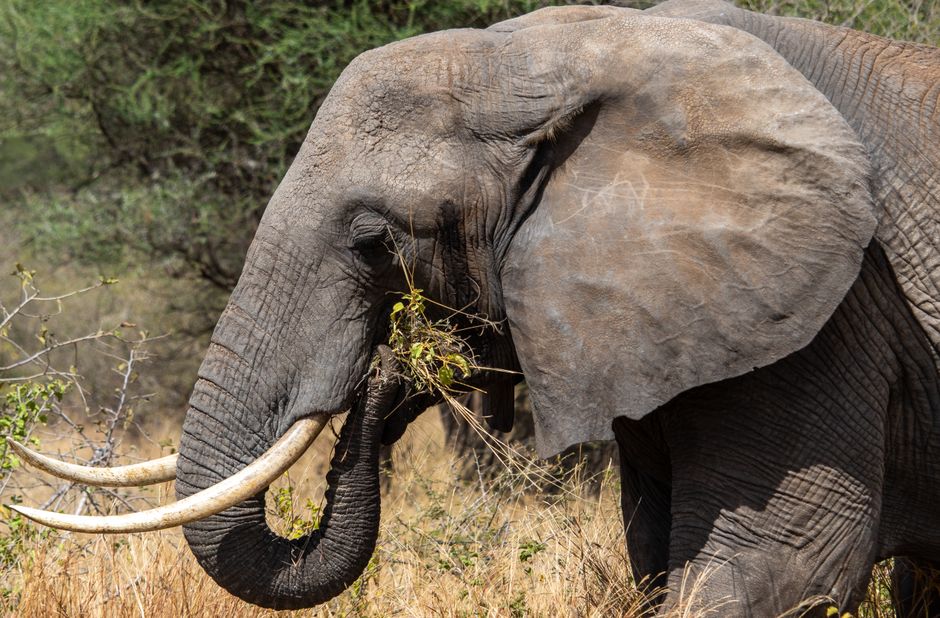
PENN Explainer
Hear this story explained in 90 seconds.
A recent technical report has sparked a significant debate regarding the sustainability of elephant hunting in Botswana. The study, authored by researchers Scott Schlossberg and Michael Chase, evaluates the scientific methods used by the Department of Wildlife and National Parks to set annual hunting quotas. This analysis comes as Botswana manages the world’s largest remaining population of savanna elephants, making its management policies a focal point for international conservation discussions.
The report does not take a definitive stance for or against hunting as a practice, but it raises critical questions about the quality of data informing current government decisions. Specifically, the authors compare official quota rules against modern population models to determine if current offtake levels are ecologically sound. The findings suggest that weak management frameworks could have long-term consequences for both the species and the rural communities that rely on wildlife resources.
One of the primary concerns highlighted in the report involves the potential for conflicts of interest in policy development. The authors note that the national management plan was prepared by Conservation Force, a United States-based hunting advocacy organization, with limited public consultation. This lack of transparency has led some experts to question whether national wildlife policy is being shaped by adequate, independent scientific review.
Data from aerial surveys conducted between 2010 and 2022 indicate shifting trends in elephant distribution across the region. The report documents a notable movement of elephants from areas where hunting is permitted into protected zones where such activities are prohibited. This migration pattern suggests that elephants may be actively avoiding areas with high human activity, which can complicate efforts to manage population density effectively.
In addition to the scientific review, the report addresses the ongoing threat of illegal poaching in the broader Kavango Zambezi Transfrontier Conservation Area. Researchers documented 56 illegally poached elephants during recent monitoring flights, concentrated in specific areas. These findings underscore the distinction between regulated, science-based hunting programs and the criminal activity of poaching, which remains a severe threat to regional biodiversity.
Regulated hunting is often cited by wildlife authorities as a tool to generate revenue for conservation and to mitigate human-wildlife conflict. Proponents argue that user-pay systems provide essential funding for anti-poaching units and habitat protection. However, the report by Schlossberg and Chase emphasizes that the success of these programs depends entirely on rigorous, transparent, and adaptive management.
Conservationists remain divided on the best approach to manage elephant populations that are expanding in some areas while facing pressure in others. While some nations have historically utilized culling to manage overabundant populations, modern strategies increasingly focus on landscape-level management and transboundary cooperation. The goal is to balance the needs of local human populations with the ecological requirements of the elephants.
Effective elephant management requires a delicate balance between economic development and environmental stewardship. As Botswana continues to refine its wildlife policies, the role of independent scientific oversight remains a central theme for stakeholders. The ongoing dialogue highlights the complexity of managing large, charismatic species that move freely across international borders.
Future management decisions will likely need to address the concerns raised by the scientific community regarding population trends and habitat connectivity. Ensuring that hunting quotas are based on the most accurate, up-to-date data is essential for maintaining the long-term health of the species. The outcome of this review may influence how other nations in the region approach their own wildlife management frameworks in the coming years.
You've reached your free article limit
You've read 10 of 10 free articles this month. Subscribe to Planet Earth News Network for unlimited access to neutral, global journalism — plus puzzles, podcasts, and the weekly newsletter.
Already a subscriber? Sign in.
Ask the Author
Subscribers can ask the journalist a question about this story. Subscribe to ask.
Neutrality note
Auto-harvested from global news wires and presented neutrally by PENN.
to vote
Comments
No comments yet — be the first to share your thoughts.
Related stories in Hunting and Conservation
Zambia Launches Community-Led Conservancy to Restore Wildlife Corridors
2026-11-12
Angolan Community-Led Conservation Protects Vital Wetland Ecosystems
2026-11-12