Scientists Discover Hidden Immune Organ Located Within the Human Skull
New research reveals a previously unknown structure that plays a critical role in the body's immune defense system.
PENN Explainer
Hear this story explained in 90 seconds.
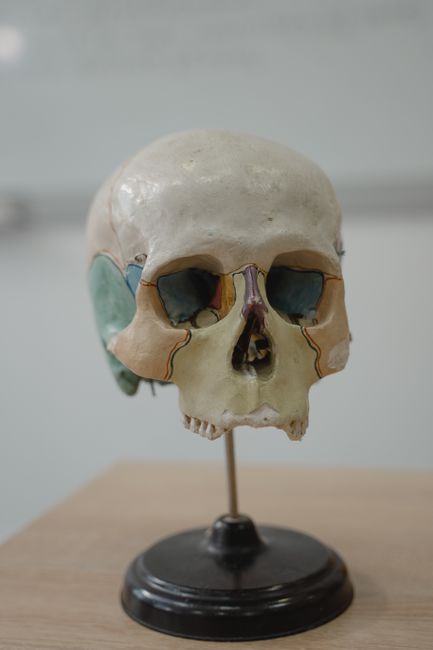
Researchers have identified a previously unknown immune structure located within the human skull, marking a significant advancement in our understanding of human anatomy. This discovery, detailed in recent scientific reports, suggests that the skull is not merely a protective casing for the brain but also an active participant in the body's immune response. The finding provides new insight into how the immune system monitors and protects the central nervous system from potential threats. Scientists utilized advanced imaging techniques to observe the structure, which had remained hidden from previous medical examinations. The organ appears to act as a specialized hub where immune cells can gather and communicate, potentially allowing for a faster response to infections or inflammation near the brain. This discovery challenges long-held beliefs about the isolation of the brain from the rest of the body's immune network. By identifying this pathway, researchers hope to better understand conditions where the immune system interacts with neurological health. The study highlights the importance of continued exploration into human biology, even in areas previously thought to be fully mapped. Experts suggest that this immune organ could be a key factor in how the body manages autoimmune diseases that affect the brain. Future research will focus on how this structure functions in healthy individuals versus those with chronic neurological conditions. Understanding the role of this skull-based immune hub may eventually lead to new diagnostic tools or therapeutic strategies for various brain-related disorders. The scientific community has welcomed the findings as a landmark moment in immunology and neuroscience. This breakthrough underscores the complexity of the human body and the potential for future discoveries that could reshape medical science.
Ask the Author
Subscribers can ask the journalist a question about this story. Subscribe to ask.
Neŭtraleca noto
Auto-harvested from global news wires and presented neutrally by PENN.
to vote
Comments
No comments yet — be the first to share your thoughts.