Scientists Grow Oldest Lab-Based Human Brain Cells to Study Aging
Peppercorn-sized brain organoids grown for seven years show signs of natural aging and time-tracking.
PENN Explainer
Hear this story explained in 90 seconds.
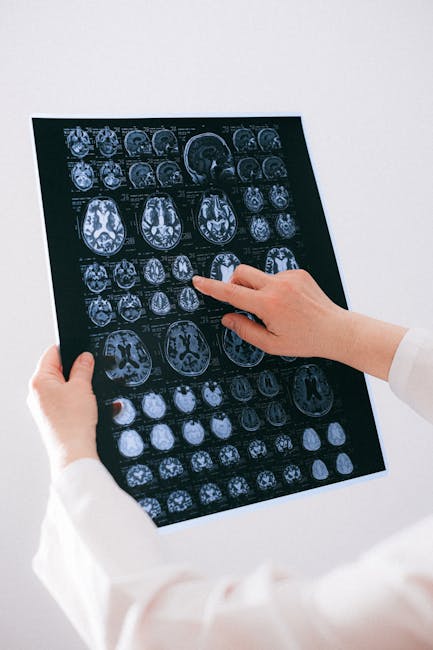
Researchers have achieved a significant milestone in neuroscience by successfully growing human brain cells in a laboratory setting for a record-breaking seven years. These tiny, peppercorn-sized clumps of cells, known as organoids, have provided scientists with a unique window into the long-term development of the human brain. By maintaining these cultures for such an extended period, the team was able to observe biological processes that are typically impossible to study in short-term experiments. The findings were reported this week, marking a major step forward in our understanding of how brain tissue matures over time. One of the most striking discoveries from this study is that the organoids appear to have recorded the passage of time in a way that mirrors natural development. As the cells aged, they exhibited patterns of growth and change that closely resemble those found in the human brain. This suggests that these lab-grown models could be highly effective for studying the aging process and age-related neurological conditions. Scientists noted that the cells followed a developmental timetable that is remarkably similar to the one observed in living human heads. This research helps bridge the gap between simple cell cultures and the complex reality of the human brain. By observing these cells over several years, researchers can better understand how neurons form connections and how they eventually decline. Such insights are vital for developing new treatments for diseases that affect the brain as people get older. The ability to sustain these organoids for seven years represents a technical triumph for the laboratory team involved. Maintaining healthy cell cultures for such a long duration requires precise environmental controls and constant monitoring to prevent contamination or degradation. The success of this project demonstrates how far biotechnology has advanced in recent years. It also highlights the importance of long-term investment in basic scientific research. While these organoids are not fully functional brains, they serve as powerful tools for testing new drugs and therapies. Researchers hope that by using these models, they can identify potential treatments for conditions like Alzheimer's or Parkinson's disease more quickly. The ability to see how a drug affects brain cells over many years could lead to safer and more effective medications. This study also raises interesting questions about the nature of biological time and memory. If cells can record the passage of time, it suggests that our biological clocks are deeply embedded in our cellular structure. Future research will likely focus on how these internal clocks can be influenced or protected. The scientific community is already looking at ways to apply these findings to other areas of medicine. As technology continues to improve, the potential for these organoids to revolutionize neuroscience seems increasingly promising. This breakthrough serves as a reminder of how much we still have to learn about the human body. By continuing to push the boundaries of what is possible in the lab, scientists are opening new doors to better health and a deeper understanding of ourselves.
Ask the Author
Subscribers can ask the journalist a question about this story. Subscribe to ask.
中立性说明
Auto-harvested from global news wires and presented neutrally by PENN.
to vote
Comments
No comments yet — be the first to share your thoughts.