Scientists Transform Retired Ocean Liner into Massive Artificial Reef
The former world's fastest passenger ship is being scuttled to create a new marine habitat and boost local biodiversity.
PENN Explainer
Hear this story explained in 90 seconds.
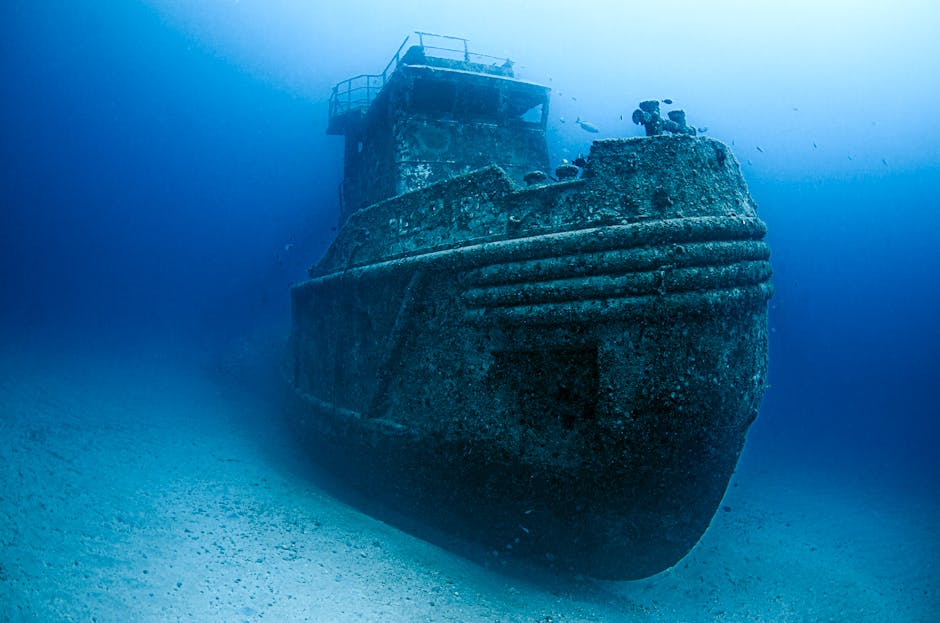
A historic ocean liner, once recognized as the fastest passenger ship in the world, is being intentionally sunk to serve as a massive artificial reef. This project aims to provide a new sanctuary for marine life while creating a unique destination for underwater exploration. The vessel will be submerged in a carefully selected location to maximize its potential as a thriving ecosystem. Experts believe the structure will offer essential shelter for various fish species and other aquatic organisms.
By repurposing the retired ship, organizers hope to demonstrate how large-scale industrial assets can be transformed into environmental assets. The process involves rigorous cleaning to ensure the ship is free of hazardous materials before it reaches the seafloor. Environmental teams have spent months removing oils, fuels, and other pollutants to protect the surrounding water quality. This preparation is a critical step in ensuring the artificial reef does not negatively impact the existing marine environment.
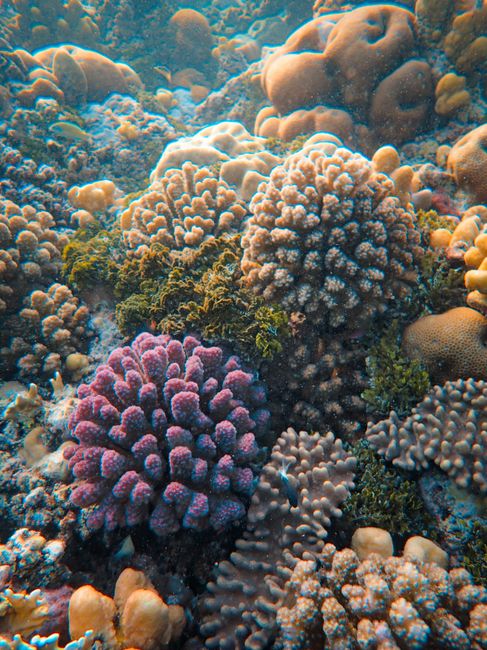
Once the ship settles on the bottom, it will begin its new life as a complex habitat. Scientists expect that the steel structure will quickly attract coral polyps and other colonizing species. Over time, the ship will become a permanent part of the local marine landscape, supporting a diverse array of sea life. This initiative is part of a growing trend to use artificial structures to bolster biodiversity in areas where natural reefs have been damaged or lost.
The project highlights the potential for creative engineering to assist in ecological restoration efforts. As the ship settles into its new role, researchers will monitor the site to track the development of the new reef community. This data will help inform future projects that seek to balance human infrastructure with the needs of the natural world.
You've reached your free article limit
You've read 10 of 10 free articles this month. Subscribe to Planet Earth News Network for unlimited access to neutral, global journalism — plus puzzles, podcasts, and the weekly newsletter.
Already a subscriber? Sign in.
Ask the Author
Subscribers can ask the journalist a question about this story. Subscribe to ask.
Neutrality note
Auto-harvested from global news wires and presented neutrally by PENN.
to vote
Comments
No comments yet — be the first to share your thoughts.