Seven Oil Tankers Reported Damaged in Strait of Hormuz
Regional tensions escalate as multiple commercial vessels sustain damage in a critical global shipping corridor.
PENN Explainer
Hear this story explained in 90 seconds.
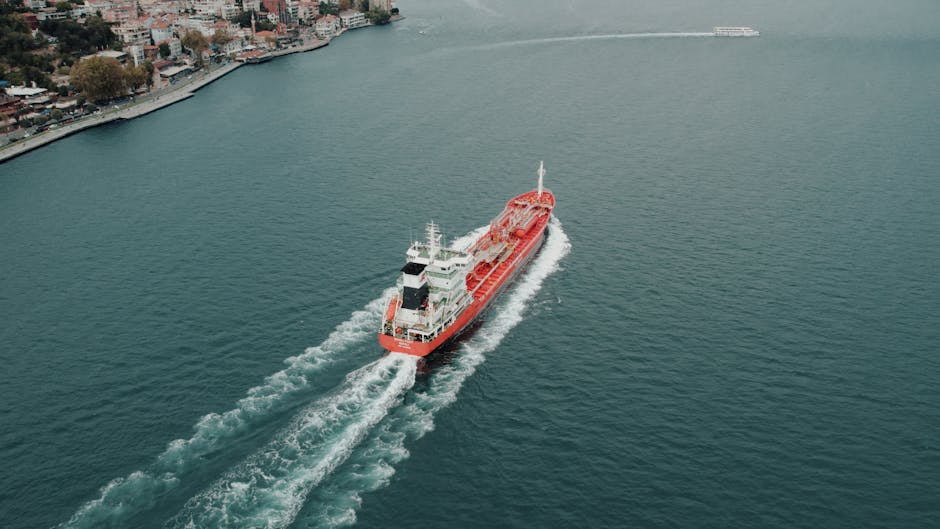
Seven oil tankers have reportedly sustained damage while transiting the Strait of Hormuz, a vital maritime chokepoint for global energy supplies. The incident occurred on October 22, 2026, prompting immediate concern among international observers regarding the security of commercial shipping in the region. Authorities are currently working to assess the extent of the damage and the cause of the incidents.
The Strait of Hormuz serves as a primary route for oil exports from the Middle East to international markets. Any disruption to traffic in this narrow waterway can have significant consequences for global energy prices and supply chain stability. The area has historically been a site of geopolitical friction, making the safety of vessels a high priority for many nations.
Iranian officials have acknowledged the reports of the damaged tankers, though specific details regarding the nature of the incidents remain limited. The situation follows a period of heightened regional activity involving various maritime and security interests. Analysts are closely monitoring the area to determine if the damage was the result of technical failures, environmental factors, or external interference.
This development occurs against a backdrop of broader instability in the Middle East. Recent surges in conflict between regional actors have increased the complexity of maintaining secure transit routes. International maritime organizations often coordinate with local authorities to ensure that vessels can navigate these waters without facing undue risk.
Global markets have reacted to the news with caution, as traders evaluate the potential impact on oil availability. The energy sector remains sensitive to any news that might suggest a threat to the flow of crude oil from major producing countries. Financial analysts noted that the uncertainty surrounding the Strait of Hormuz often leads to increased volatility in commodity pricing.
Diplomatic channels are expected to be active as nations seek to clarify the circumstances surrounding the damaged ships. Ensuring the freedom of navigation remains a cornerstone of international maritime law, which is supported by numerous global treaties. Governments with significant interests in the region are likely to engage in discussions to prevent further escalation.
Security experts emphasize that the Strait of Hormuz is one of the most monitored maritime corridors in the world. The presence of naval assets from various countries is intended to deter threats and provide assistance to commercial shipping when necessary. Investigations into the recent damage will likely involve cooperation between the affected vessel operators and regional maritime authorities.
While the immediate cause of the damage is still under investigation, the incident highlights the ongoing challenges of maintaining security in contested waters. The international community continues to advocate for the peaceful resolution of disputes that could affect global trade. Future updates are expected as more information becomes available from the site of the incidents.
As the situation unfolds, the primary focus remains on the safety of the crews aboard the affected tankers. Emergency response protocols are typically activated in such scenarios to provide medical assistance and technical support. The maritime industry will continue to track the status of the vessels as they undergo inspections.
Looking ahead, the stability of the Strait of Hormuz will remain a central topic in international relations. The ability of global powers to manage these maritime risks will be essential for maintaining the steady flow of energy resources. Observers are waiting for official reports to provide a clearer picture of the events that transpired on October 22.
You've reached your free article limit
You've read 10 of 10 free articles this month. Subscribe to Planet Earth News Network for unlimited access to neutral, global journalism — plus puzzles, podcasts, and the weekly newsletter.
Already a subscriber? Sign in.
Ask the Author
Subscribers can ask the journalist a question about this story. Subscribe to ask.
Neutrality note
Auto-harvested from global news wires and presented neutrally by PENN.
to vote
Comments
No comments yet — be the first to share your thoughts.
Related stories in World/International

Spanish Citizens Stage Nationwide Protests Over Housing Affordability Crisis
2026-11-14
Microsoft Global Outage Disrupts Communications Across 74 Countries
2026-11-14