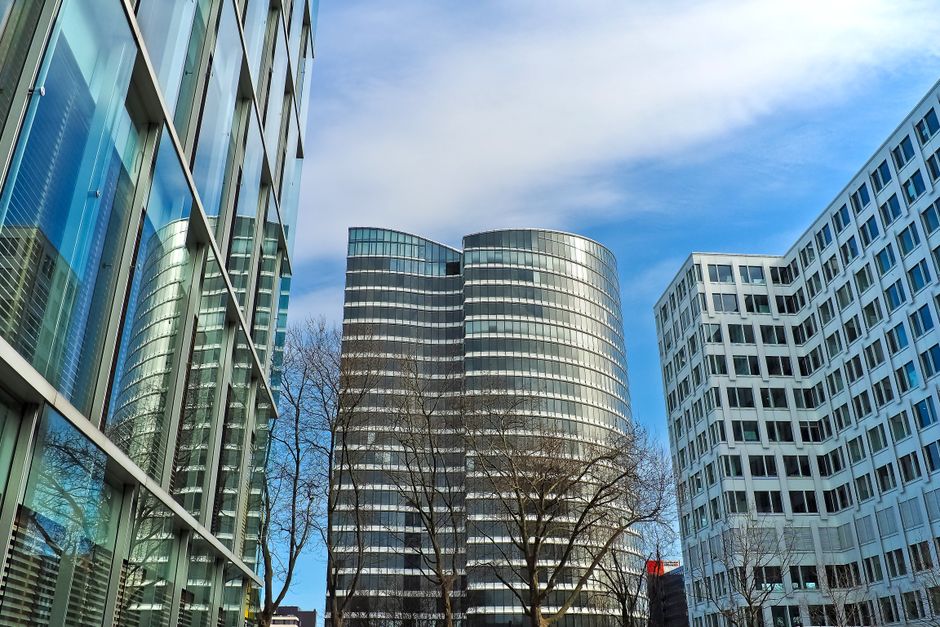
Shanghai Emerges as Global Hub for Fashion Education and Industry Innovation
As China's fashion market grows, international institutions and local manufacturers are shifting focus toward design, technology, and brand development.

PENN Explainer
Hear this story explained in 90 seconds.
Shanghai is rapidly solidifying its position as a central pillar of the global fashion industry, attracting a surge of international students and design talent. The city now serves as a critical intersection for creative education and industrial production, according to recent industry reports. This transformation reflects a broader shift in China's fashion sector as it moves away from traditional manufacturing toward high-value design and brand creation.
The 2026 China Fashion Consumption Report estimates the nation's fashion market is currently valued at approximately 3 trillion yuan, or 449.1 billion U.S. dollars. Experts project this figure could climb to 3.5 trillion yuan by 2030. This growth is driven by evolving consumer preferences, rapid technological integration, and a heightened focus on unique brand identities.
Educational institutions are playing a key role in this structural change. The Italian fashion school Istituto Marangoni has seen its international student population in Shanghai rise from 1 percent to nearly 40 percent this year. Cheng Yingting, the chief operating officer for China and Asia-Pacific at the school, noted that the city's mature e-commerce ecosystem and deep supply chain make it an ideal environment for training the next generation of industry professionals.
Many local factories that previously focused on original equipment manufacturing are now pivoting toward fabric innovation and internal brand development. This evolution allows independent Chinese designers to utilize an established industrial base to test new materials and bring collections to market with greater speed. The integration of artificial intelligence into these processes is further enhancing the efficiency of the local supply chain.
Industry analysts observe that the modern consumer is increasingly prioritizing a balance between price, functionality, and quality. This shift has created a demand for professionals who can bridge the gap between creative design and data-driven business strategies. As a result, schools are increasingly partnering with local universities to combine international design networks with Chinese expertise in research and digital technology.
Li Jiaqi, a director at the Shanghai-based China Insights Consultancy, emphasized that the city's appeal lies in its diverse industry opportunities. By offering a combination of academic resources and practical manufacturing experience, Shanghai is attracting talent that can navigate both the creative and commercial sides of the business. This talent pool is expected to be essential as the industry continues to adopt new technologies like virtual try-ons and AI-assisted product discovery.
The rise of Shanghai as a fashion capital is part of a larger trend of decentralization in the global fashion industry. While traditional hubs like Milan, Paris, and London remain influential, the growth of Asian markets is forcing brands to rethink their global strategies. Companies are now looking to these regions not just as manufacturing centers, but as vital sources of innovation and consumer insight.
This transition also highlights the importance of sustainability and material science in the modern fashion landscape. As designers and manufacturers in Shanghai experiment with new production methods, they are increasingly incorporating environmental considerations into their business models. This focus on long-term viability is becoming a standard requirement for brands looking to compete on the international stage.
Looking ahead, the continued development of Shanghai's fashion infrastructure is expected to influence global trade patterns. As more brands establish a presence in the city, the exchange of ideas and technologies between East and West is likely to accelerate. This ongoing evolution suggests that the future of the fashion industry will be defined by those who can successfully integrate local manufacturing strengths with global design standards.
You've reached your free article limit
You've read 10 of 10 free articles this month. Subscribe to Planet Earth News Network for unlimited access to neutral, global journalism — plus puzzles, podcasts, and the weekly newsletter.
Already a subscriber? Sign in.
Ask the Author
Subscribers can ask the journalist a question about this story. Subscribe to ask.
Neutrality note
Auto-harvested from global news wires and presented neutrally by PENN.
to vote
Comments
No comments yet — be the first to share your thoughts.
Related stories in Fashion & Beauty Industry
Luxury Fashion Houses Appoint New Creative Leadership to Drive Brand Evolution
2026-11-16
Global Beauty Industry Sees Surge in M&A Activity Despite Lower Deal Values
2026-11-16