
Smartwatch Heart Rate Metric Offers New Insight Into Cardiovascular Fitness
Researchers find that heart rate per step provides a more reliable indicator of heart health than total daily steps alone.
PENN Explainer
Hear this story explained in 90 seconds.
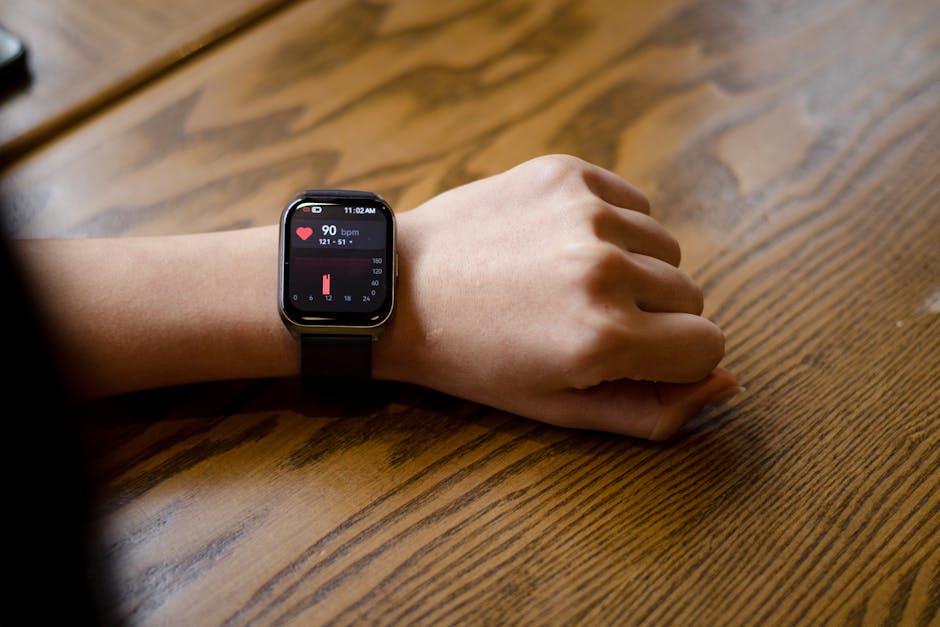
A new study presented at the American College of Cardiology’s Annual Scientific Session suggests that how a person's heart responds to movement may be a better indicator of fitness than simple step counts. Researchers developed a metric that divides an individual's average daily heart rate by their total number of steps taken per day. This approach aims to capture the relationship between physical exertion and cardiovascular response rather than just the volume of activity. The findings offer a potentially more precise way for people to monitor their heart health using data already collected by common wearable devices.
For the study, researchers analyzed data from nearly 7,000 adults in the United States who shared information from their Fitbit devices and electronic health records. This data was part of the All of Us research program, which gathers health information from a diverse group of participants to support precision medicine. By comparing heart rate data against step counts, the team sought to identify patterns that correlate with better cardiovascular outcomes. Zhanlin Chen, a researcher involved in the study, noted that the metric focuses on how the heart reacts to exercise rather than the exercise itself.
This distinction is important because it accounts for individual differences in fitness levels and physiological responses to physical activity. The researchers believe this method could help users better understand their personal heart health trends over time. The study highlights the growing potential of using consumer-grade wearable technology for medical insights. As more people track their daily movement, finding ways to interpret this data accurately becomes increasingly valuable for public health.
The team hopes that this new metric will provide a more reliable tool for individuals to track their progress and make informed decisions about their physical activity. Future research may explore how this heart-to-step ratio changes in response to different types of training or lifestyle interventions. By leveraging existing technology, scientists aim to make cardiovascular monitoring more accessible and personalized for the general population. This development represents a step forward in using digital health data to improve long-term wellness outcomes.
You've reached your free article limit
You've read 10 of 10 free articles this month. Subscribe to Planet Earth News Network for unlimited access to neutral, global journalism — plus puzzles, podcasts, and the weekly newsletter.
Already a subscriber? Sign in.
Ask the Author
Subscribers can ask the journalist a question about this story. Subscribe to ask.
Neutrality note
Auto-harvested from global news wires and presented neutrally by PENN.
to vote
Comments
No comments yet — be the first to share your thoughts.
Related stories in Health and Fitness

Standing Up From a Chair Linked to Lower Mortality Risk in Older Women
2026-11-17
New Research Links Unhealthy Plant-Based Diets to Brain Structure Changes
2026-11-17