
Solomon Islands Communities Lead Localized Climate Adaptation Efforts
Small-scale, community-driven projects are successfully restoring degraded landscapes and improving environmental management across the Solomon Islands.
PENN Explainer
Hear this story explained in 90 seconds.
Communities across the Solomon Islands are successfully implementing localized climate adaptation projects to strengthen their resilience against environmental degradation. These initiatives focus on practical, community-led solutions that address specific climate risks while simultaneously improving local livelihoods. By prioritizing local leadership and ownership, these projects have demonstrated that small-scale interventions can yield significant, measurable benefits for both the environment and the people who depend on it.
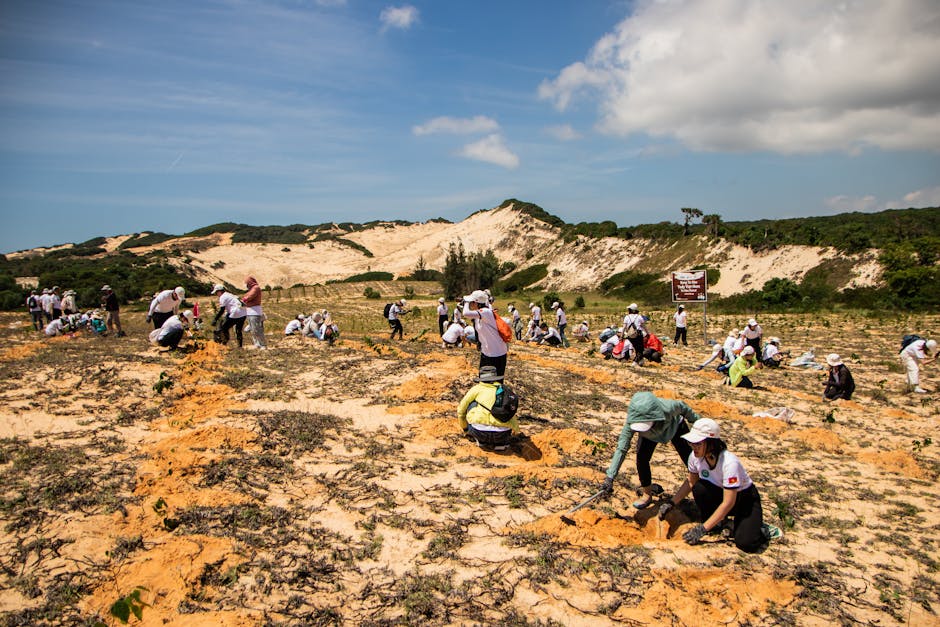
One notable example is the work of the Kauhata Foundation Trust Board, which has focused on restoring degraded landscapes through large-scale reforestation efforts. By replanting native vegetation, the foundation is helping to stabilize soil and protect vital natural resources from the impacts of changing weather patterns. This work serves as a model for how community-based organizations can take direct action to mitigate the effects of climate change on their immediate surroundings.
In the West Are'are region, the Afio Primary School has integrated environmental management into its daily operations through innovative land restoration activities. These efforts have not only improved the local ecosystem but also created safer access routes for students traveling to and from school. By linking environmental health to public safety and education, the school has created a sustainable framework that benefits the entire community.
These projects are part of a broader effort supported by the Community-Based Adaptation (CBA) Phase III Programme, which emphasizes the importance of local solutions in global climate strategies. The program provides the necessary resources and technical guidance to help communities develop their own adaptation plans. This approach ensures that the solutions are culturally appropriate and directly address the most pressing needs of the residents.
Participants at a recent workshop identified several key factors that have contributed to the success of these initiatives. Strong community ownership, inclusive participation, and the active involvement of local leaders were cited as essential elements for long-term sustainability. When residents are involved in the planning and implementation of projects, they are more likely to maintain the infrastructure and continue the conservation work over time.
Beyond environmental restoration, these projects are also fostering greater social cohesion and environmental awareness. By creating meeting centers and research hubs, communities are providing spaces for residents to learn about conservation and share knowledge about sustainable practices. This educational component is vital for ensuring that the next generation is equipped to manage their natural resources effectively.
Gender equality and the empowerment of women have also been identified as cross-cutting issues that strengthen the impact of these adaptation projects. By ensuring that women are included in decision-making processes, the initiatives benefit from a wider range of perspectives and expertise. This inclusive approach has been shown to improve the overall effectiveness and reach of development goals in the region.
While the challenges posed by climate change are significant, the success of these community-led projects offers a hopeful path forward. The evidence from the Solomon Islands suggests that when communities are empowered to lead, they can develop practical solutions that protect their natural resources for future generations. These efforts demonstrate that even small-scale initiatives can make a substantial contribution to global climate resilience.
Looking ahead, the focus remains on scaling these successful models to reach more communities across the archipelago. The lessons learned from the CBA Phase III Programme are being used to refine future strategies and ensure that support is directed where it is needed most. By continuing to prioritize local knowledge and community-driven innovation, the Solomon Islands are building a more resilient future.
Ultimately, the progress made in these communities highlights the power of unity in tackling environmental challenges. As these projects continue to evolve, they provide valuable insights for other regions facing similar climate-related threats. The commitment shown by local residents serves as a testament to the effectiveness of grassroots action in the face of global environmental change.
You've reached your free article limit
You've read 10 of 10 free articles this month. Subscribe to Planet Earth News Network for unlimited access to neutral, global journalism — plus puzzles, podcasts, and the weekly newsletter.
Already a subscriber? Sign in.
Ask the Author
Subscribers can ask the journalist a question about this story. Subscribe to ask.
Nota di neutralità
Auto-harvested from global news wires and presented neutrally by PENN.
to vote
Comments
No comments yet — be the first to share your thoughts.


