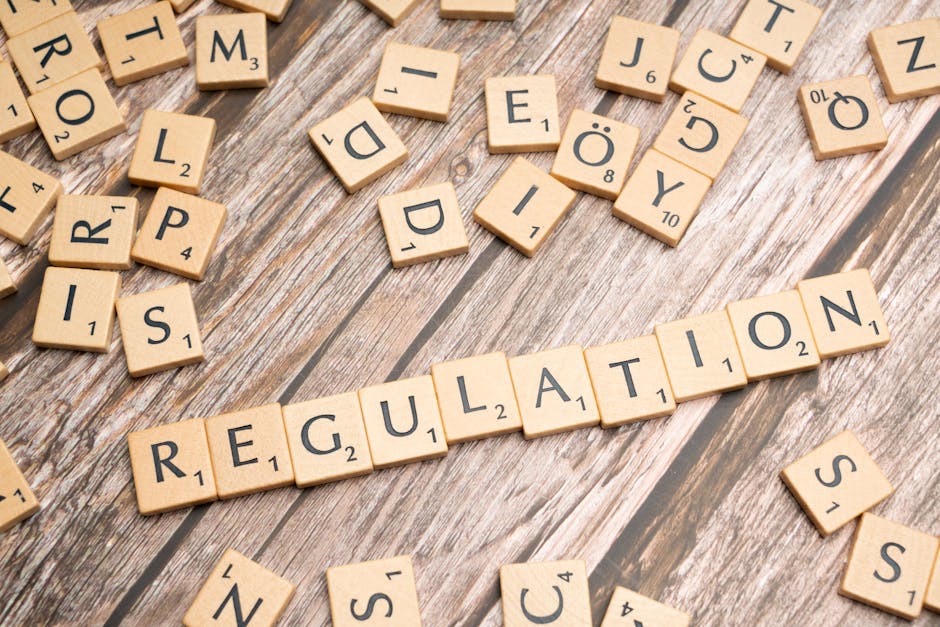
South Korea Navigates Complex Regulatory Landscape for Artificial Intelligence and Media
New legislative frameworks and industry guidelines aim to balance technological innovation with public trust and copyright protection.
PENN Explainer
Hear this story explained in 90 seconds.
South Korea is currently refining its approach to artificial intelligence and digital media regulation as the nation seeks to establish itself as a global leader in the technology sector. The government implemented the Basic Act on the Development of Artificial Intelligence and the Establishment of Foundation for Trustworthiness in early 2026. This comprehensive legal framework is designed to foster innovation while simultaneously mitigating social risks associated with rapidly evolving AI tools. The legislation includes provisions for an AI Safety Institute to research potential hazards and a National AI Committee to oversee policy development.
These regulatory efforts occur alongside broader concerns regarding the impact of AI on the creative industries and news publishing. Organizations such as the International Federation of Reproduction Rights Organisations and the Korean Literary Authors Association have expressed concerns regarding proposed policies that might allow AI models to train on copyrighted content without immediate compensation. These groups argue that a 'use first, pay later' approach could be economically damaging to creators and inconsistent with international copyright norms. Policymakers are currently engaged in discussions with industry stakeholders to find a sustainable balance that protects intellectual property while encouraging technological growth.
Simultaneously, the South Korean media landscape is adjusting to new rules regarding the spread of information online. An amendment to the nation's communications act, which took effect in mid-2026, introduced increased financial penalties for the dissemination of false information. While proponents suggest these measures are necessary to protect public trust, some journalism organizations have raised concerns that such regulations could inadvertently create a chilling effect on free speech and editorial independence. The government maintains that the law includes necessary safeguards to prevent censorship while addressing the systemic threat of misinformation.
Public media organizations in the country are also adopting internal policies to manage the integration of AI into their workflows. For example, the news agency Yonhap has implemented specific AI use guidelines and now explicitly labels automated article summaries to ensure transparency for its audience. These internal safeguards vary across different media outlets, reflecting a broader trend of self-regulation as newsrooms navigate the complexities of automated content production. The extent to which these policies can maintain editorial integrity remains a subject of ongoing debate among media professionals.
Governance of public media has also seen structural changes, including the replacement of the Korea Communications Commission with the Korea Media and Communications Commission in late 2025. This new body is tasked with overseeing the media sector, though its initial operations faced delays in convening plenary meetings. The commission's role includes monitoring programming rules and ensuring that editorial leadership at public broadcasters is appointed with the consent of newsroom employees. These governance structures are intended to reinforce the independence of public media, even as political debates continue regarding the neutrality of various outlets.
International observers and rights groups continue to monitor these developments closely, emphasizing the importance of due process and the protection of fundamental rights. The intersection of AI regulation, copyright law, and media oversight represents a significant challenge for policymakers in Seoul. As the government works to implement its AI Action Plan, the focus remains on creating a legal environment that supports both the tech industry and the democratic principles of a free press. Future adjustments to these laws will likely depend on the ongoing dialogue between the state, technology companies, and the creative community.
You've reached your free article limit
You've read 10 of 10 free articles this month. Subscribe to Planet Earth News Network for unlimited access to neutral, global journalism — plus puzzles, podcasts, and the weekly newsletter.
Already a subscriber? Sign in.
Ask the Author
Subscribers can ask the journalist a question about this story. Subscribe to ask.
中立性说明
Auto-harvested from global news wires and presented neutrally by PENN.
to vote
Comments
No comments yet — be the first to share your thoughts.