
Tensions Escalate in Persian Gulf as Iran and U.S. Trade Military Strikes
Regional instability grows as Iran claims destruction of U.S. radar system following retaliatory strikes in the Strait of Hormuz.
PENN Explainer
Hear this story explained in 90 seconds.
The security situation in the Persian Gulf reached a new point of volatility on Friday as Iran reported the destruction of a U.S. early-warning radar system in Bahrain. This action was described by Iran’s Islamic Revolutionary Guard Corps as a direct retaliation for a recent U.S. strike on a telecommunications tower located in southern Iran. The exchange marks a significant escalation in the ongoing conflict between the two nations. Military officials in the region are closely monitoring the potential for further retaliatory measures. The incident has heightened concerns regarding the safety of critical infrastructure across the Middle East.
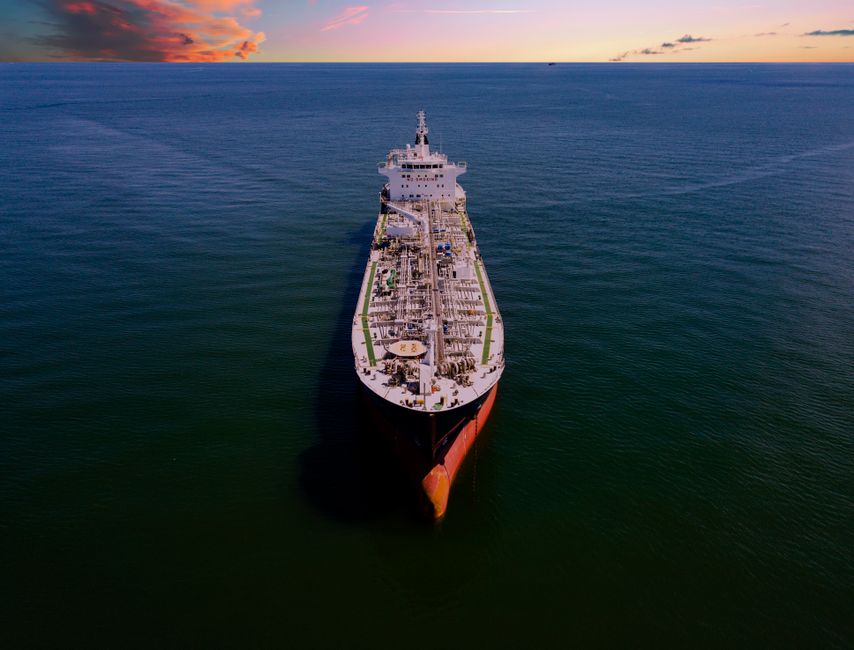
In addition to the radar strike, Iranian officials claimed responsibility for four separate attacks on oil tankers within the Strait of Hormuz on Thursday. These maritime incidents followed strikes on two other supertankers just one day earlier. The Strait of Hormuz serves as a vital global chokepoint for energy supplies, and these disruptions have caused significant unease in international markets. While oil supplies have begun to show signs of recovery, analysts warn that prices may remain elevated due to the persistent geopolitical uncertainty. The vulnerability of these shipping lanes remains a primary focus for global trade observers.
President Donald Trump addressed the situation on Thursday, signaling a shift in his administration's diplomatic approach. In a social media statement, he declared that the United States no longer requires a formal deal with Iran, asserting that the current circumstances have rendered previous negotiations obsolete. He further noted that his administration has effectively secured control over the region's strategic assets. This stance suggests a move away from traditional diplomatic engagement in favor of maintaining the current state of economic and military pressure. The administration maintains that it remains prepared for any further developments.
As part of this strategic pivot, President Trump has reportedly sidelined Vice President JD Vance from his role as the lead negotiator with Iran. The President indicated that Vance would instead focus his efforts on domestic policy initiatives, specifically targeting issues of corruption and crime within various U.S. states and cities. This internal reassignment reflects a broader change in how the administration intends to manage its foreign policy priorities moving forward. Observers are now watching to see how this change in leadership affects the U.S. posture toward Tehran. The shift underscores the administration's current focus on domestic concerns alongside its international strategy.
Meanwhile, the Israeli government is actively engaging with Washington to discuss the ongoing conflict. The director of the Israeli spy agency Mossad arrived in Washington on Friday to hold high-level talks with senior officials in the Trump administration. These discussions are reportedly centered on the war in Iran and the broader security implications for Israel. The meeting highlights the close coordination between the U.S. and its regional allies as they navigate the current crisis. Both nations are evaluating their next steps in response to the evolving military landscape in the Gulf.
Regional actors are also feeling the impact of the broader instability, with the Houthi movement in Yemen claiming new attacks on Saudi Arabian oil infrastructure. A Houthi spokesperson stated that targets included the Yanbu oil facility on the Red Sea and an Aramco facility located in Riyadh. Additionally, the group claimed to have struck a pumping station on the East-West Pipeline, which serves as a critical alternative route for Saudi oil exports. These attacks demonstrate the wide-reaching nature of the conflict beyond the immediate U.S.-Iran standoff. The situation continues to strain the energy security of the entire region.
The humanitarian consequences of these regional tensions are becoming increasingly severe. The Arab League issued a warning on Thursday regarding the ongoing Houthi siege of the Yemeni city of Taiz. The blockade has resulted in acute shortages of essential goods, including fuel, oxygen, and medical supplies. International aid organizations are calling for urgent action to address the growing crisis and prevent further loss of life. The combination of military conflict and humanitarian distress presents a complex challenge for international diplomacy.
Global trade experts are also highlighting the fragility of current supply chains in light of these events. A report from the consulting firm McKinsey & Company notes that many essential goods rely on concentrated suppliers and physical chokepoints that are highly susceptible to geopolitical strain. The current conflict in the Persian Gulf serves as a clear example of how regional instability can disrupt the flow of goods worldwide. Companies are being urged to reassess their vulnerabilities as the situation remains in a state of dangerous limbo. The long-term economic impact of these disruptions remains a subject of significant concern for global markets.
Despite the high level of tension, President Trump stated that a direct military attack at this point seems unlikely. He noted that Gulf Arab allies have expressed a preference for maintaining the status quo of continued economic pressure on Iran. The U.S. remains in a state of high alert, with the President describing the military as being locked and loaded. This posture is intended to deter further aggression while avoiding a full-scale regional war. The coming days will be critical in determining whether the current level of conflict can be contained.
As the situation develops, the international community remains focused on the potential for further escalation. Diplomatic channels are being tested as nations attempt to manage the competing interests of regional powers and global energy security. The combination of military strikes, shifting diplomatic strategies, and humanitarian crises creates a volatile environment that requires careful navigation. Observers expect that the coming weeks will provide more clarity on the long-term trajectory of the conflict. For now, the region remains on edge as all parties assess their next moves.
You've reached your free article limit
You've read 10 of 10 free articles this month. Subscribe to Planet Earth News Network for unlimited access to neutral, global journalism — plus puzzles, podcasts, and the weekly newsletter.
Already a subscriber? Sign in.
Ask the Author
Subscribers can ask the journalist a question about this story. Subscribe to ask.
Neutrality note
Auto-harvested from global news wires and presented neutrally by PENN.
to vote
Comments
No comments yet — be the first to share your thoughts.
Related stories in World/International

Yemen's Houthi Movement Claims Fresh Attacks on Saudi Oil Infrastructure
2026-11-15
Spanish Citizens Stage Nationwide Protests Over Housing Affordability Crisis
2026-11-14